This article is an on-site version of our FirstFT newsletter. Subscribers can sign up to our Asia, Europe/Africa or Americas edition to get the newsletter delivered every weekday morning. Explore all of our newsletters here
Good morning and welcome to FirstFT. Here’s what’s on today’s agenda:
UK and EU agree post-Brexit reset after ‘breakthrough’ in talks
US borrowing costs top 5 per cent after Moody’s downgrade
Germany has dropped its long-held opposition to nuclear power
Pro-EU centrist wins Romanian presidency in stunning reversal
We start with a historic summit between Britain and EU hosted by UK Prime Minister Sir Keir Starmer at London’s Lancaster House this morning, as officials on both sides have confirmed a post-Brexit “reset” that deepens economic co-operation. Here’s what you need to know.
What are the key points? Britain has agreed to open its fishing waters for 12 more years to EU boats — a move that will be condemned by the opposition Conservatives — according to Brussels officials. The UK had previously offered five years. In return, Starmer secured an open-ended veterinary deal that will remove much red tape for British farming and fisheries exports to its biggest market. Negotiations on these topics went to the wire, running late into last night. Starmer is also set to sign a defence pact with European Commission president Ursula von der Leyen and European Council president António Costa.
What’s at stake? In terms of economic benefits, new research shows a deal that allows British goods to be exported to the EU without further tests or certificates — a move rebuffed by Brussels so far — would increase UK exports to the bloc by an average of a tenth, and by more than a quarter for some sectors.
Why have negotiations been so difficult? Any trade discussions with the EU are politically sensitive in London. Fishing groups in the UK fear the arrangement risks becoming permanent and opposition Conservative politicians and the Eurosceptic press are claiming that the sector is about to be sold out.
EU-UK ties: A “reset” might improve relations but Britain will always remain a supplicant to Europe as long as it remains outside the bloc, writes Martin Sandbu.
Here’s what else I’m keeping tabs on today:
Trump calls Putin: European leaders were racing to influence the US president’s thinking ahead of his planned conversation with Russia’s leader over Ukraine today.
Economic data: The EU issues inflation data for April while Rightmove publishes its house price index for the UK.
Buy now, pay later: The UK government will bring forward legislation that will regulate such financial services in the same way as mainstream banks.
Companies: NMC Health’s lawsuit against auditor EY begins at London’s High Court, while Ryanair reports results.
Five more top stories
1. US Treasuries and stock futures fell today as the stripping of the country’s triple-A credit rating and progress on President Donald Trump’s massive tax and budget bill fuelled concerns about the government’s mounting debt burden.
2. Exclusive: Germany has dropped its long-held opposition to nuclear power, in the first concrete sign of rapprochement with France by Berlin’s new government. The move resolves a major dispute between the countries that has delayed EU energy plans, in what one German official called “a sea-change policy shift”.
3. Pro-EU centrist wins Romanian presidency in stunning reversal Nicuşor Dan won Romania’s presidential run-off yesterday, defeating an ultranationalist Eurosceptic who had topped the first round and raised fears about the country’s pro-western orientation. A high turnout seems to have helped shift the balance in pro-EU centrist Dan’s favour.
Portugal’s far right has surged to tie for second place in an election won by the governing centre-right Democratic Alliance. Chega joined other far-right parties in western Europe in securing record support, smashing a two-party duopoly by riding a wave of anti-immigrant sentiment.
4. Exclusive: UBS has started using artificial intelligence to turn its analysts into avatars, sending videos of the simulated bankers to clients in a move the lender said would free up staff to focus on more productive tasks. The bank said the move, which uses OpenAI and Synthesia models, is “not a parlour trick”.
5. The US says it will impose the maximum tariffs it has threatened against countries that do not negotiate “in good faith”, with Treasury secretary Scott Bessent warning levies could go back to “liberation day” levels. Here’s why Washington is taking a more aggressive tone.
Join us for a subscriber-only webinar on May 28 for insights into the most consequential geopolitical rivalry of our time: the US-China showdown. Register now and put questions to our panel.
News in-depth
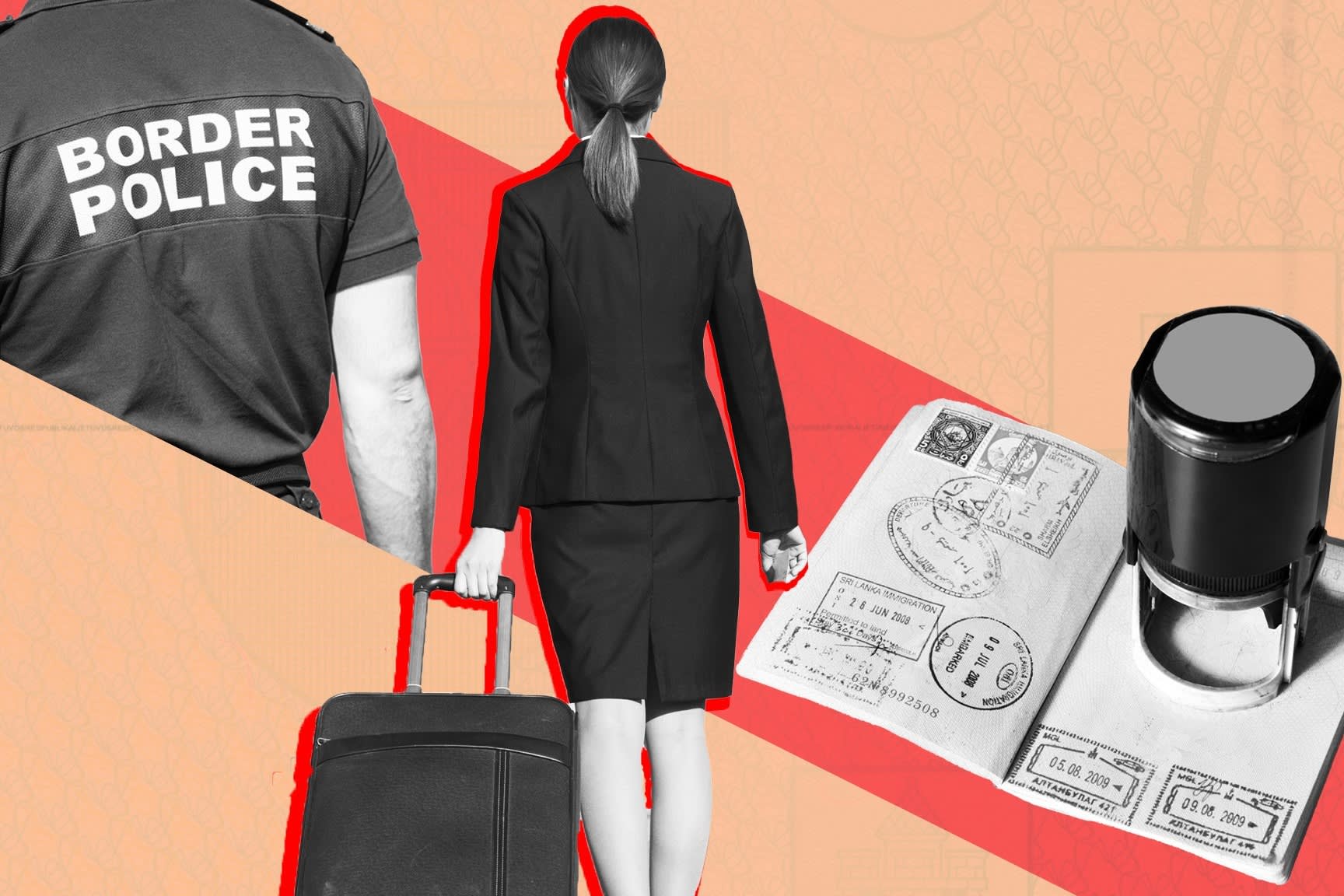
Executives, academics and government officials are approaching trips to the US with a level of caution more often associated with higher-risk jurisdictions such as China and some Middle Eastern countries. More aggressive border controls, which can include searching and even copying data from travellers’ devices and, at times, denying entry, are prompting organisations to reassess even routine work travel.
We’re also reading . . .
Sweden: The Scandinavian country, considered by many progressives as a ‘socialist paradise’, is generating the kind of wealth that raises the risk of an anti-capitalist revolt, writes Ruchir Sharma.
Swatch: Chief executive Nick Hayek has overseen a decade of decline at the Omega and Longines owner. Can he see off the threat to his grip on the watchmaker?
Private capital: The asset class is not the simple panacea that policymakers and investors might want, writes FT deputy editor Patrick Jenkins.
AI weather: Rapidly advancing technology is helping meteorologists make more accurate and detailed forecasts even further into the future.
Chart of the day
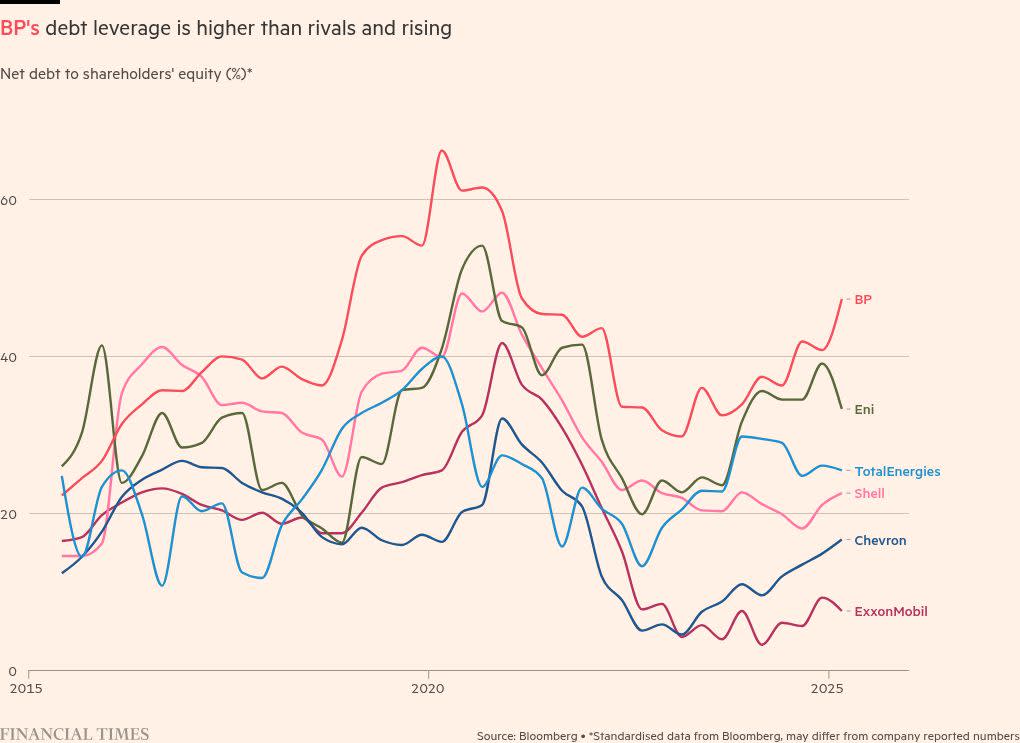
The world’s largest oil companies are preparing for a prolonged downturn in crude prices, the third in just over a decade, as they seek to reassure investors that they are prepared for the worst.
Take a break from the news
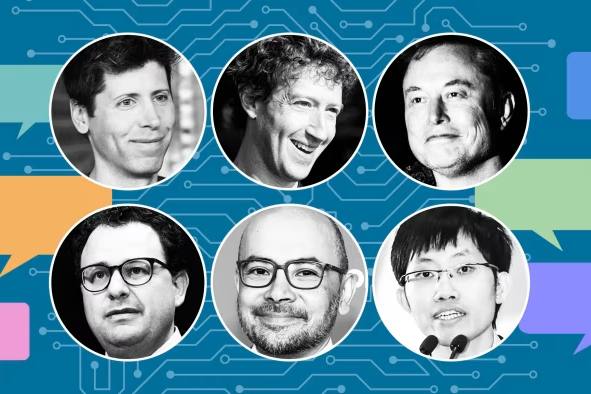
What do AI chatbots say about their own bosses? An analysis of six of the leading makers of chatbots — OpenAI, Anthropic, xAI, Meta, Google and DeepSeek — shows subtle differences in how they refer to the leaders of various AI groups.
Additional contributions by Tee Zhuo and Benjamin Wilhelm