Washington’s deployment of most of its long-range cruise missiles from the Pacific to the Middle East could indicate it has arms supply constraints in the Iran war, while signalling to “friends and foes alike in the Indo-Pacific” its interests lie elsewhere, analysts say.
According to US media reports, the Pentagon ordered nearly the entire inventory of its Joint Air-to-Surface Standoff Missile-Extended Range (JASSM-ER) cruise missiles to be moved from the Pacific, and even from the continental United States, to US Central Command bases in the Middle East or Fairford base in Britain in late March.
Of nearly 2,300 units in the US’ pre-war inventory, the actions leave about 425 JASSM-ER missiles deployed elsewhere in the world.
01:04
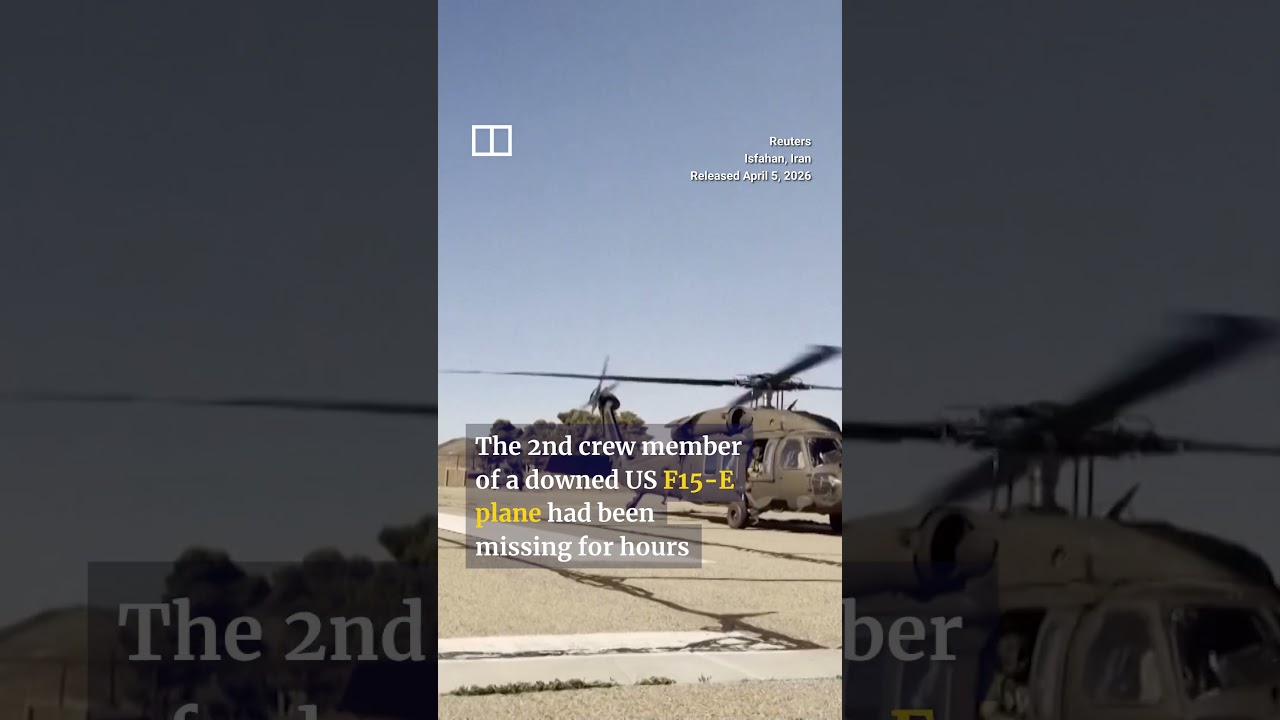
Trump’s fiery, foul-mouthed message threatening Iran draws criticism
Trump’s fiery, foul-mouthed message threatening Iran draws criticism
The US military consumed more than 1,000 JASSM-ER armaments within the first month of its air strikes against Iran that started on February 28. A further 75 or so are unserviceable because of damage or technical faults, and 47 were reportedly used during the raid against Venezuela in January.
Advertisement
The US$1.5 million JASSM-ER is a long-range cruise missile developed by Lockheed Martin and operated from various military aircraft. Since the start of the war, the US has reportedly launched the missile on Iran from B-52 and B-1B bombers, as well as strike fighters.
It is designed to allow the aircraft to strike heavily defended, high-value targets from outside the reach of enemy air defences, with a range of more than 965km (600 miles) – double the range of the baseline JASSM model at about 370km – and a stealth design that allows it to evade radar and surface-to-air missile systems.
Advertisement
The relocation of more than 80 per cent of the global inventory of JASSM-ER armaments to the Middle East came after the US military reportedly had issues with supplies of missile interceptors and long-range strike weapons following the launch of the air strikes against Iran during “Operation Epic Fury”.