The United States attacked Iran without consulting its European allies. President Donald Trump assumed the operation would be a quick win, over before anyone had to take a position. Instead, Washington answered a question Western governments had long avoided.
After years of pushing Nato towards confrontation with China, would the transatlantic alliance fight a war it had not chosen together? The answer was no.
Iran and Taiwan are different cases. One sits on Europe’s wider periphery and carries immediate consequences for energy, migration and regional spillover. The other lies in East Asia and turns on the balance of power in the Indo-Pacific. Yet both confront Washington with the same problem. Political alignment is one thing; military participation in a campaign shaped on American terms is another.
Advertisement
A sceptic might argue that a US-China conflict in the Taiwan Strait remains unlikely: Beijing prefers a peaceful reunification and the prospect of a military operation remains limited. But low probability is not low relevance. Neither Washington nor Beijing treats the contingency as theoretical.
That much is clear from the scale of preparation. The Aukus alliance (between Australia, Britain and the US), Quadrilateral Security Dialogue and wider architecture of Indo-Pacific alignment shows expansion. China has sustained military preparation in the South China Sea and repeatedly folded Nato into its political reading of Western encirclement. When both powers prepare at this level, the question is political, strategic and live.
05:28
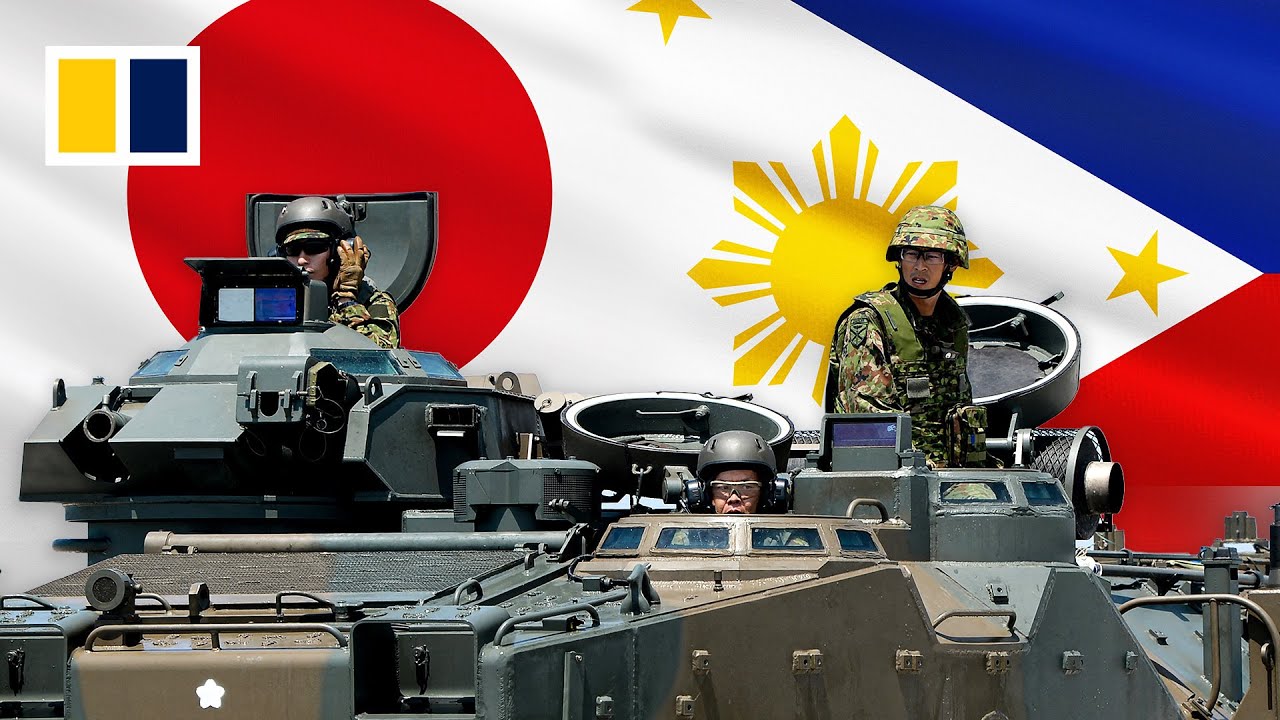
Should China be concerned about the latest Japan-Philippines security pact?
Should China be concerned about the latest Japan-Philippines security pact?
Washington has spent years inflating Nato’s China file beyond its actual substance. Since 2019, Nato has hardened its language on Beijing. Its 2022 strategic concept cast Beijing’s ambitions as a challenge to allied interests, security and values. In 2024, China was labelled a “decisive enabler” of Russia’s war against Ukraine.