Leading Chinese hypersonic aviation scientist Yan Hong dies at 56
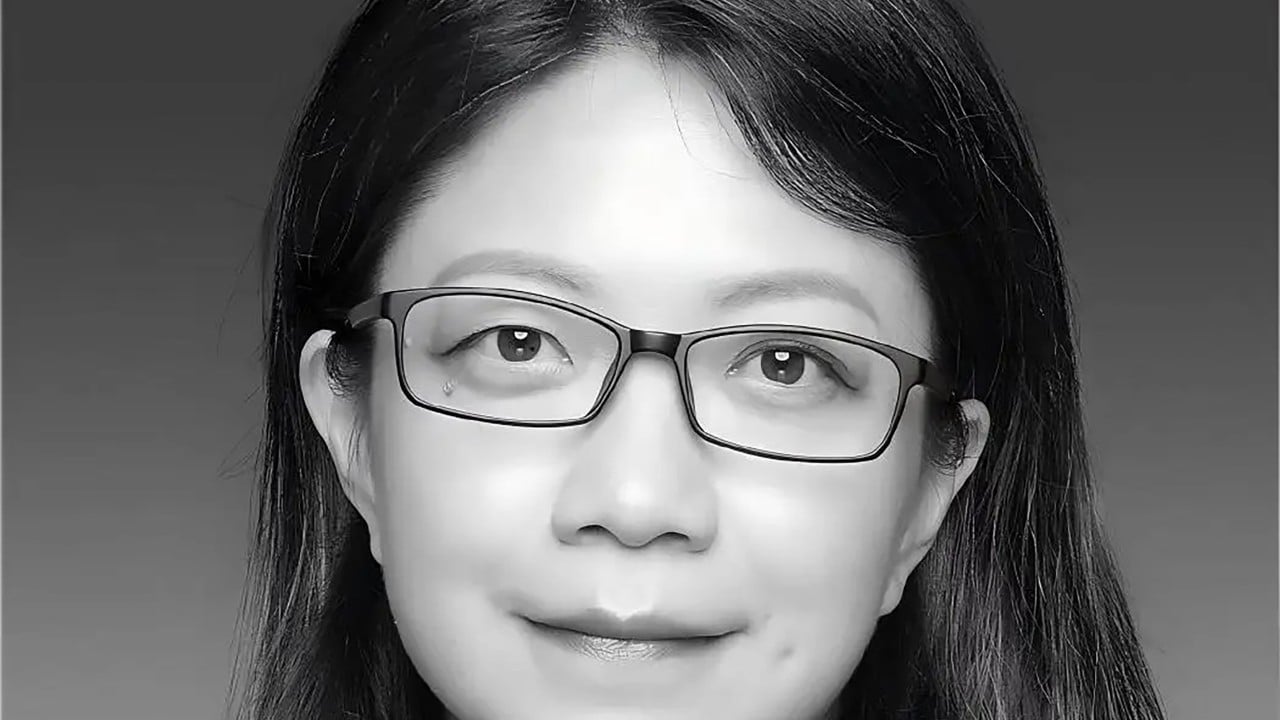
Yan Hong, one of China’s leading researchers in hypersonic and high-speed propulsion technologies, has died at the age of 56, according to Northwestern Polytechnical University. Yan, a professor and doctoral supervisor at NPU’s school of power and energy, died on Tuesday at Jiangsu Provincial People’s Hospital in Nanjing following an illness. The university in the northwestern city of Xian has been placed on US sanctions lists for its alleged ties to military-related research. Advertisement Her research focused on supersonic and hypersonic flow control, plasma-based flow control and computational fluid dynamics…

Chinese market regulator tells firms to focus on healthy competition overseas

China’s market regulator has told companies including electric vehicle maker BYD and battery giant Contemporary Amperex Technology Ltd (CATL) to compete healthily when expanding overseas, amid mounting accusations of unfair competition, subsidies and dumping levelled at Chinese companies in global markets. Chinese firms should standardise their competitive behaviour and “build a healthy competition ecosystem” in their overseas expansion, the State Administration for Market Regulation said in an official readout of its first fair competition symposium of the year with corporate representatives on Thursday. Attendees include representatives from BYD, CATL, Chery…

What do China’s new ‘correct view’ rules for local Communist Party officials mean?

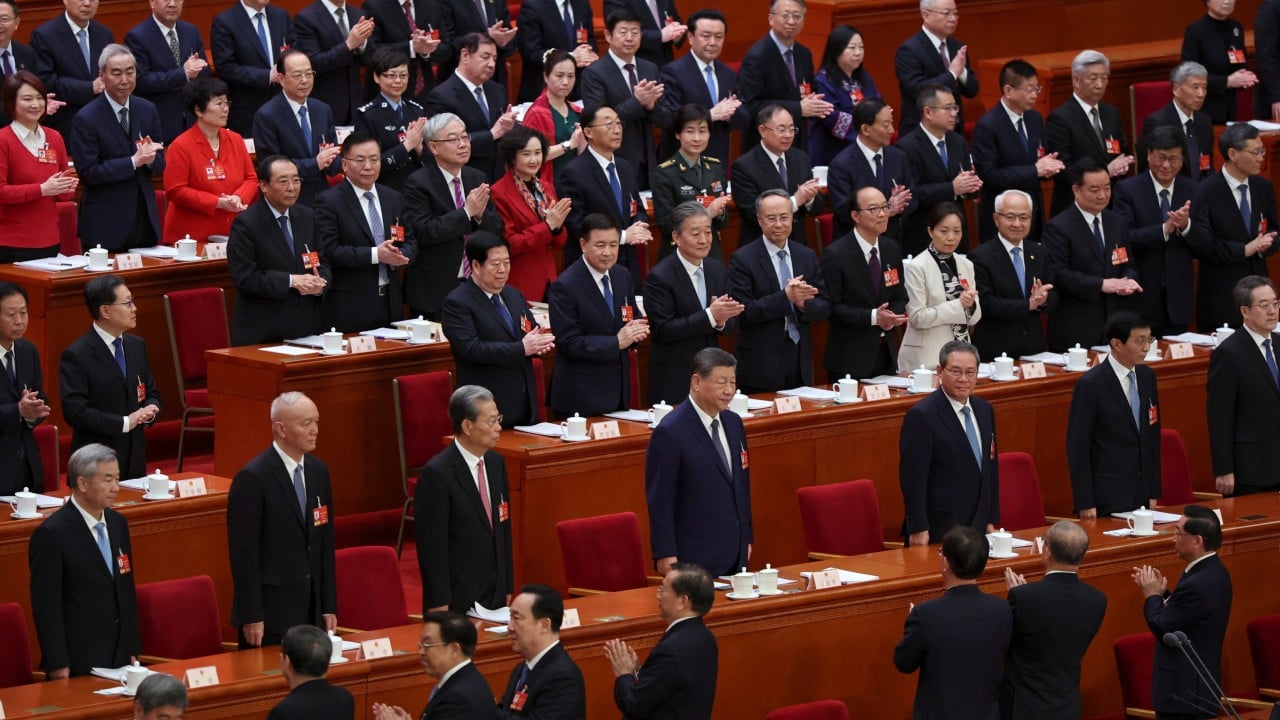
China’s leadership has passed new rules on the work carried out by local committees of the ruling Communist Party and called for upholding a “correct view” of political performance. The party’s 24-member Politburo met in Beijing on Friday to review the latest regulations for local party committees, part of its push to align regional governance with the central leadership’s strategic priorities. Chaired by President Xi Jinping, the meeting laid bare a dual mandate for local officials: absolute loyalty to the party’s central authority and the cultivation of a “correct view…

China’s economy big enough to absorb Iran war shocks, says Justin Lin

China has sufficient capacity to absorb external shocks from the Iran war and meet its annual economic growth target, a prominent economist said, while adding it was also preparing for the possibility that Washington might renege on trade deals. Justin Lin Yifu, dean of the Institute of New Structural Economics at Peking University and a former chief economist at the World Bank, said on Thursday that no country could be spared from the economic impacts of the conflict in the Middle East, which has sent global oil prices soaring. “In…

The end of ‘win-lose’? China-backed mediation body makes pitch at Boao Forum

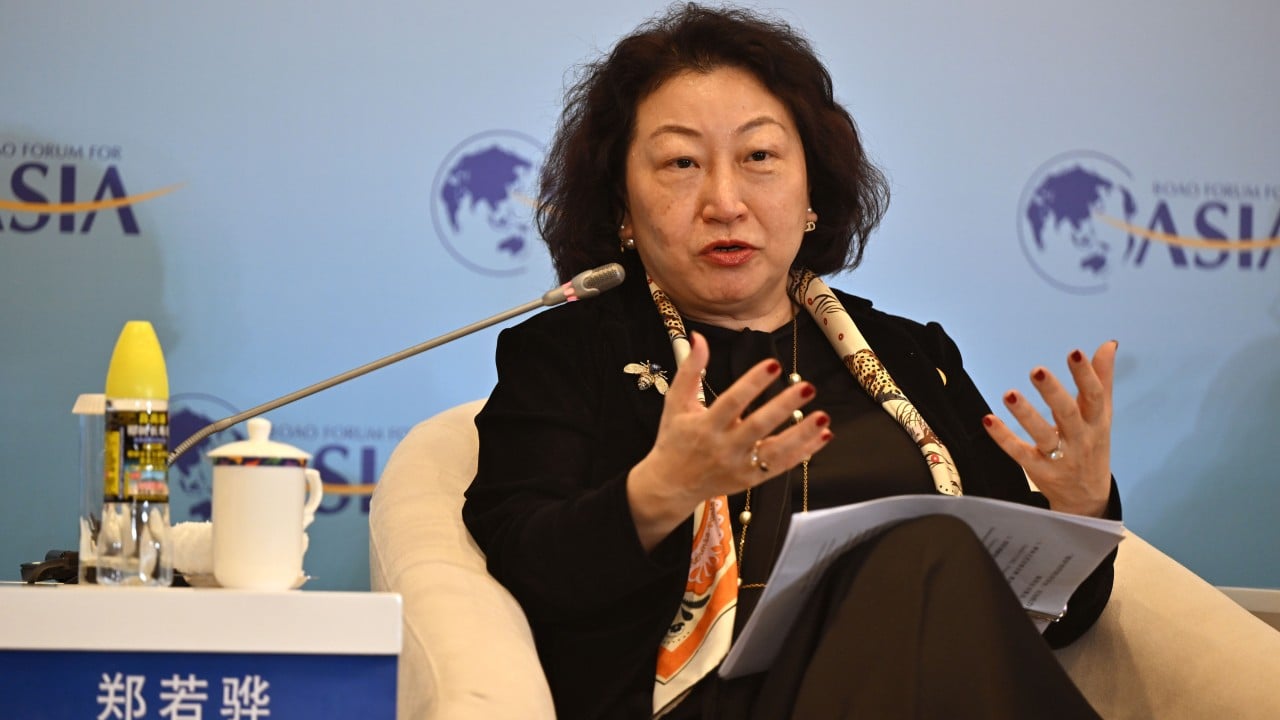
The head of the recently launched International Organisation for Mediation (IOMed) has hailed its process as a flexible and pragmatic way to resolve commercial and state-level disputes involving long-term investment. Speaking on the sidelines of the Boao Forum for Asia on Thursday, Teresa Cheng Yeuk-wah, IOMed’s secretary general, said mediation offered “the innate flexibility to create an infinite number of ways to resolve the dispute”, unlike arbitration and litigation that were marked by “a confrontational adversarial process” and “a win-lose situation”. Cheng described mediation as “conciliatory” and “non-confrontational”, citing its…

Top Singaporean materials scientist Seeram Ramakrishna joins China’s Tsinghua University

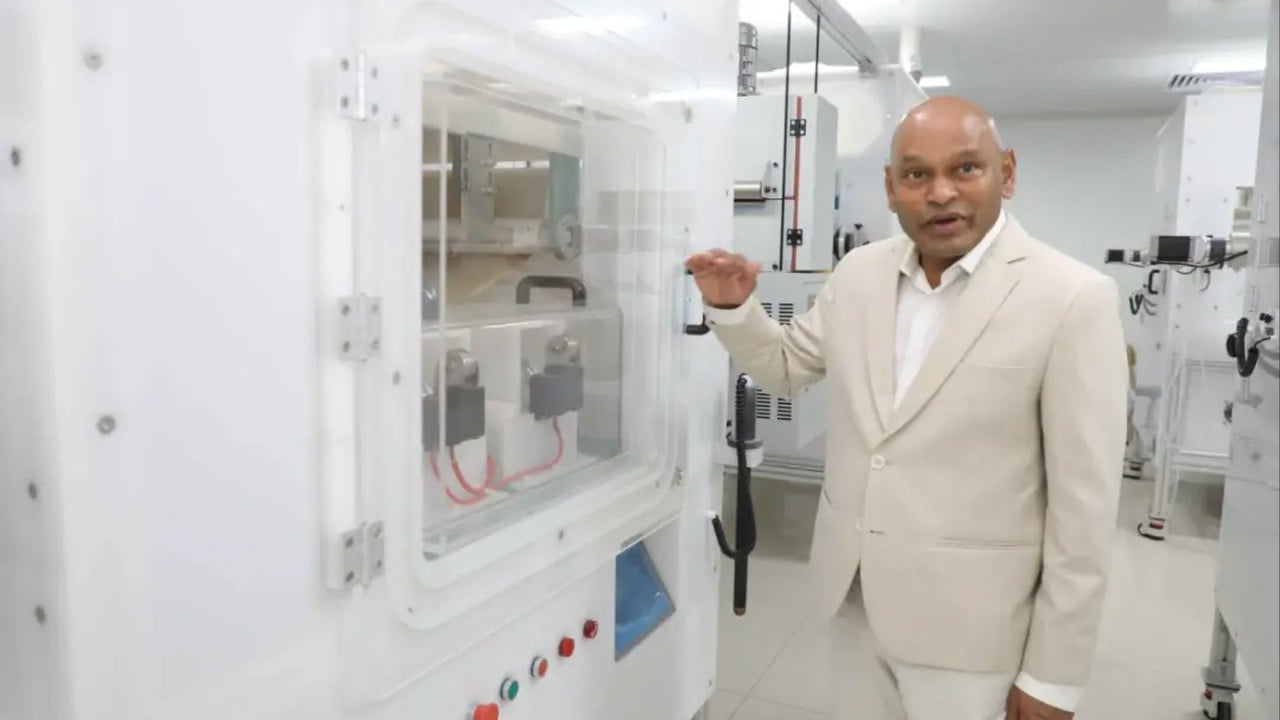
Seeram Ramakrishna, a leading researcher at the National University of Singapore and the most cited scientist from the city state, has joined one of China’s leading universities full time. He joined the department of mechanical engineering at Tsinghua University in September, but the university only announced the appointment this week. The Singaporean, who was described by MIT Technology Review China as the “father of electrospinning”, has been appointed as a Xinghua distinguished chair professor – the university’s highest professorial title – and director of its iWearables Centre. Advertisement Tsinghua president…

Rise of the ‘wolf pack’: China’s canine robots evolve to think as one for urban combat

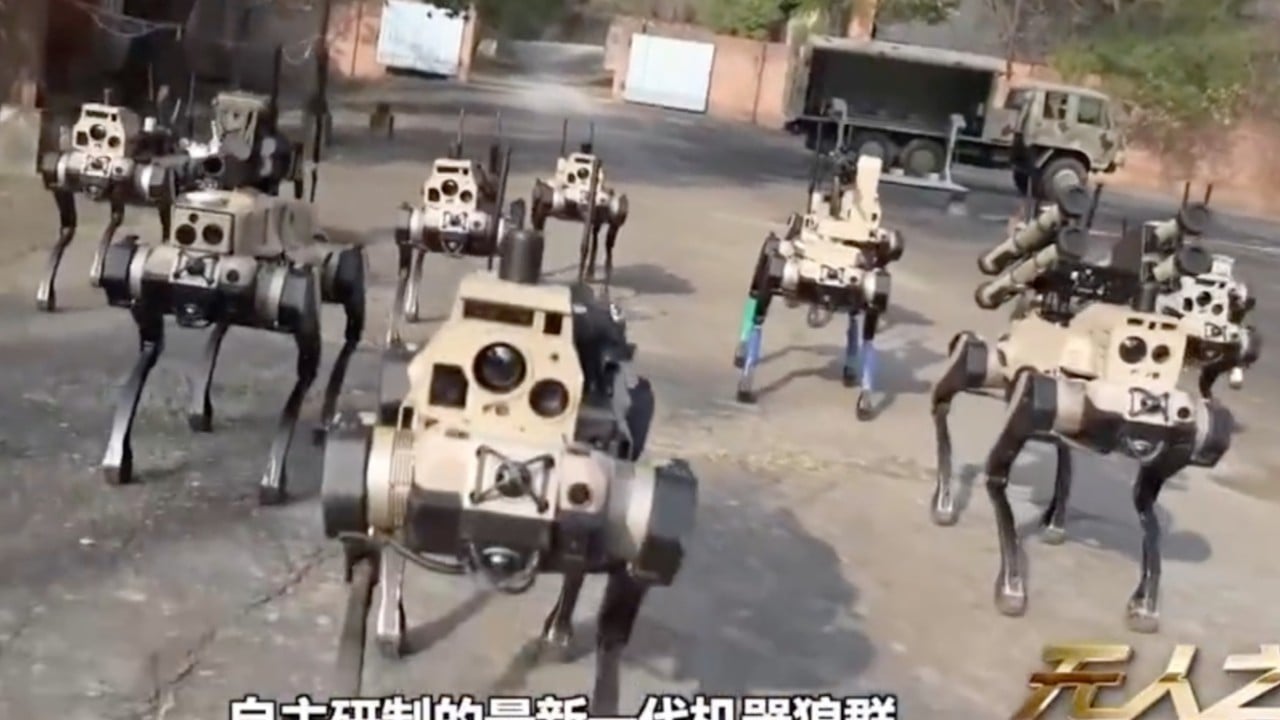
China’s military canine robots have evolved into intelligent “wolf packs” with specialised roles and a shared “brain” to coordinate complex tasks in urban warfare, according to state media. Compared with earlier models deployed and tested by the People’s Liberation Army, these “robot wolves” have achieved a transformational leap from a “single-soldier support system to a coordinated swarm combat platform”, state broadcaster CCTV said in a documentary series episode that aired on Thursday. The series Unmanned Competition, which debuted this week, features the latest developments in China’s unmanned weapon systems. It…

From semiconductors to medical tech, Iran war puts helium users on edge

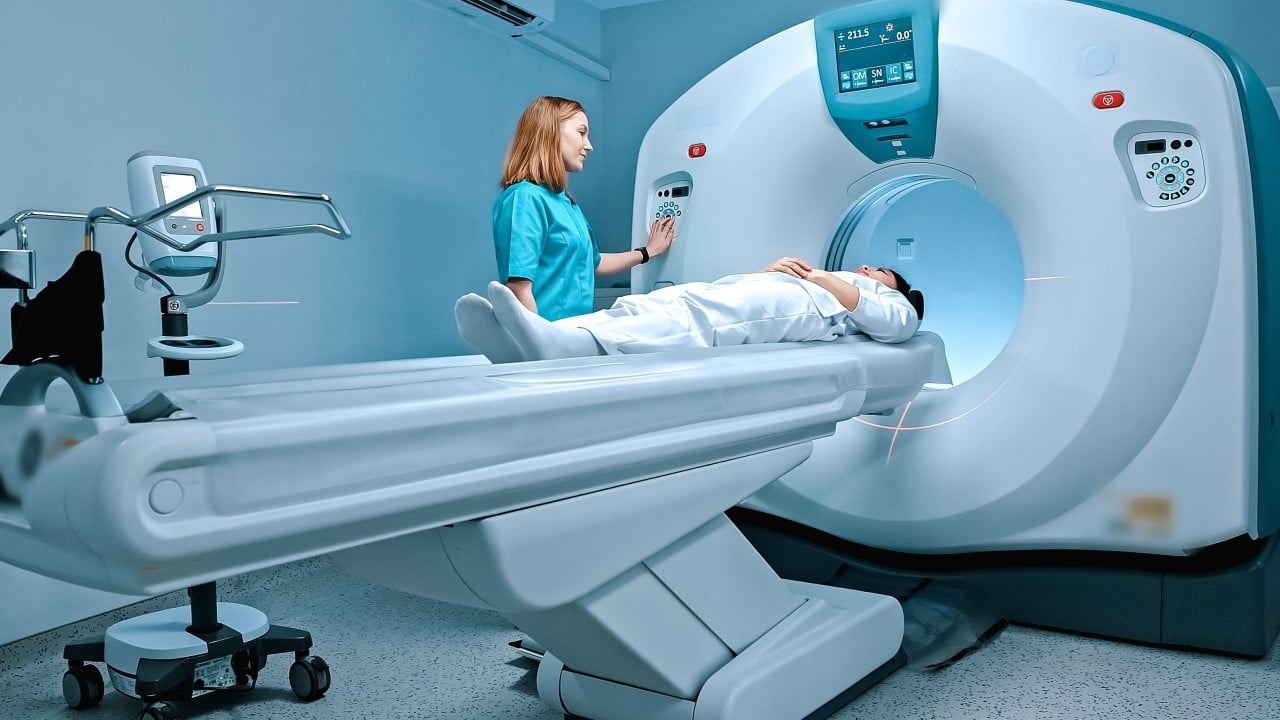
Beyond oil, the Middle East conflict is fuelling fears of a shortage of helium – a by-product of liquefied natural gas (LNG) production that is critical for semiconductors, aerospace applications and high-end medical equipment. The medical sector is on alert, as magnetic resonance imaging machines depend on liquid helium to cool their superconducting magnets, and a supply crunch could jeopardise diagnostic services. A warning from Marc Johnson, a virologist and professor at the University of Missouri, this week on the potential disruption of liquid helium supplies highlighted a growing unease…

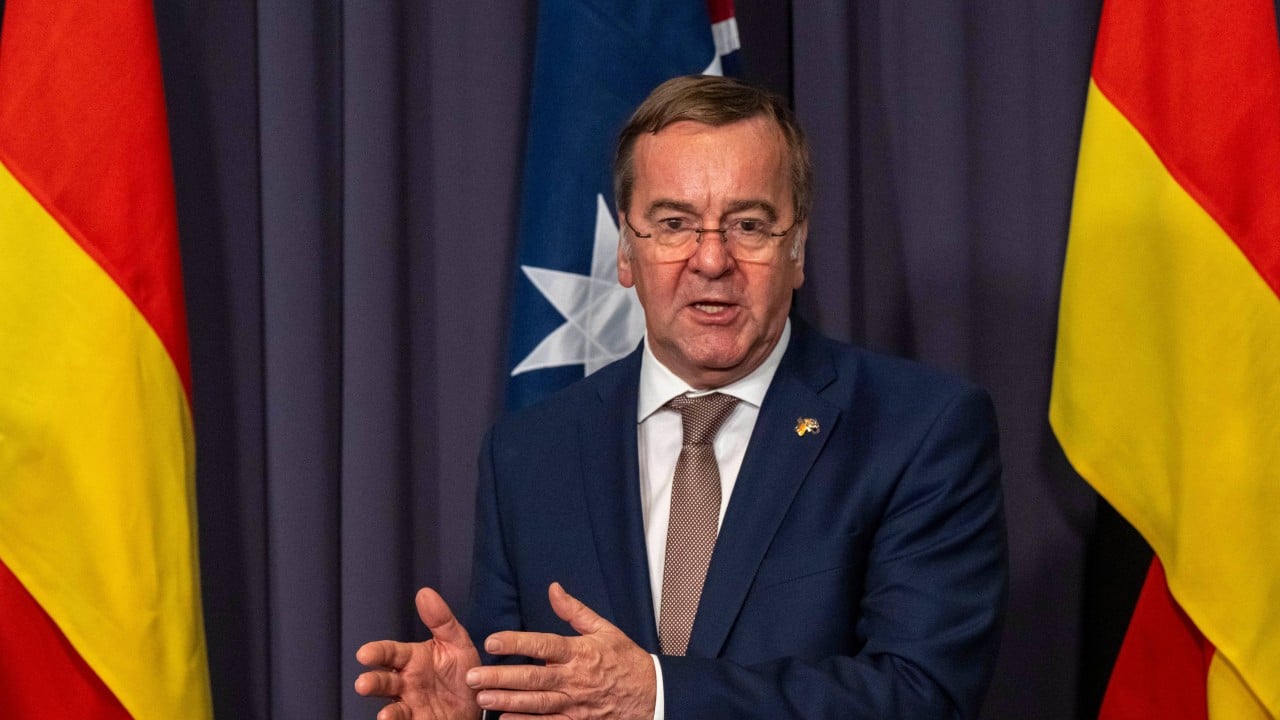
German defence minister urges strong US presence in Indo-Pacific amid China concerns

Germany’s defence chief has called on the US to honour its security commitments to the Indo-Pacific and signalled that Berlin will keep raising its military presence in the region. During his visit to Australia this week, German Defence Minister Boris Pistorius shared concerns about “dangerous activities” in the South China Sea and sounded an alarm over Beijing’s “close” monitoring of Washington and its allies’ management of the Iran and Ukraine conflicts. “To me, one thing is crystal clear. Without a strong US presence, the Indo-Pacific would be less safe for…