The Jinglei-1 nuclear-capable air-launched ballistic missile (ALBM) made its debut at the World War II Victory Day parade in Beijing last September.
It can be carried by the PLA Air Force’s H-6N strategic bombers, completing the People’s Liberation Army’s “nuclear triad” – the ability to deliver nuclear weapons from air, land and sea platforms.
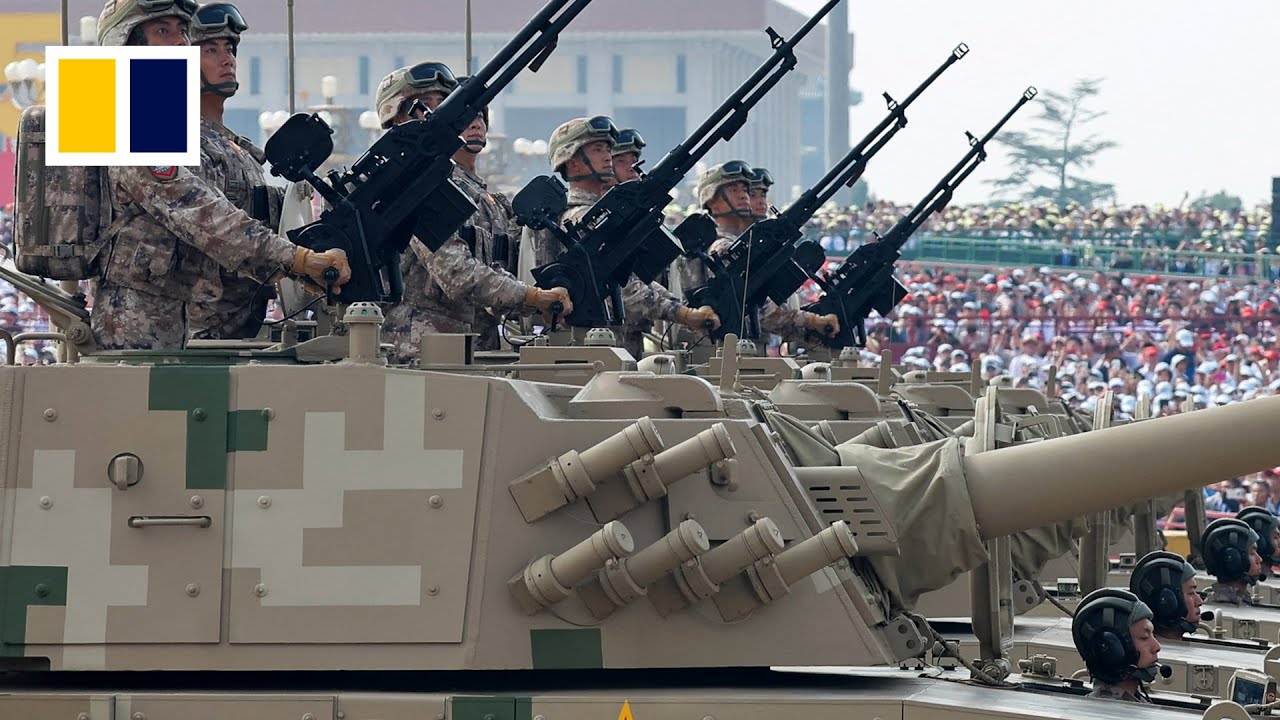
05:50
China showcases new military hardware in massive Victory Day parade
China showcases new military hardware in massive Victory Day parade
According to an article in Shipborne Weapons this month, the combination of the H-6N and JL-1 ensures survivability for second-strike capability, thanks to the bomber’s mobility.
Advertisement
The bomber fleet can scramble swiftly upon early warning of an attack, dodging destruction on the ground and safeguarding its ability to strike back.
This combination “gives China greater confidence in adhering to its no-first-use nuclear policy, because there’s no worry that they [H-6N plus JL-1] will be completely destroyed, and therefore [it] does not need to conduct a pre-emptive nuclear strike,” the article said.
Advertisement
The magazine is managed by state-owned China State Shipbuilding Corporation.
China’s no-first-use policy commits it to never striking first with nuclear weapons in any conflict, restricting its arsenal to retaliation against a nuclear attack.