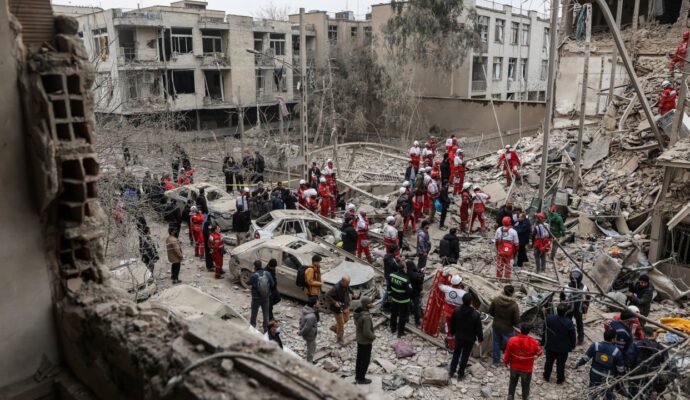
The ripples of the war against Iran by the US and Israel are exerting inflationary pressures across Africa through higher energy and fertiliser prices, threatening an already fragile economic recovery.
Most of Africa’s 54 countries depend on fuel imports and have experienced sharp increases in fuel prices, driven by disruptions to Middle East exports and the surge in global prices. Most are just getting over the price shocks caused by Russia’s war with Ukraine, which started in 2022 and has hurt many African countries that depend on the belligerents for wheat imports.
The cycle appears set to be repeated with the war in Iran.
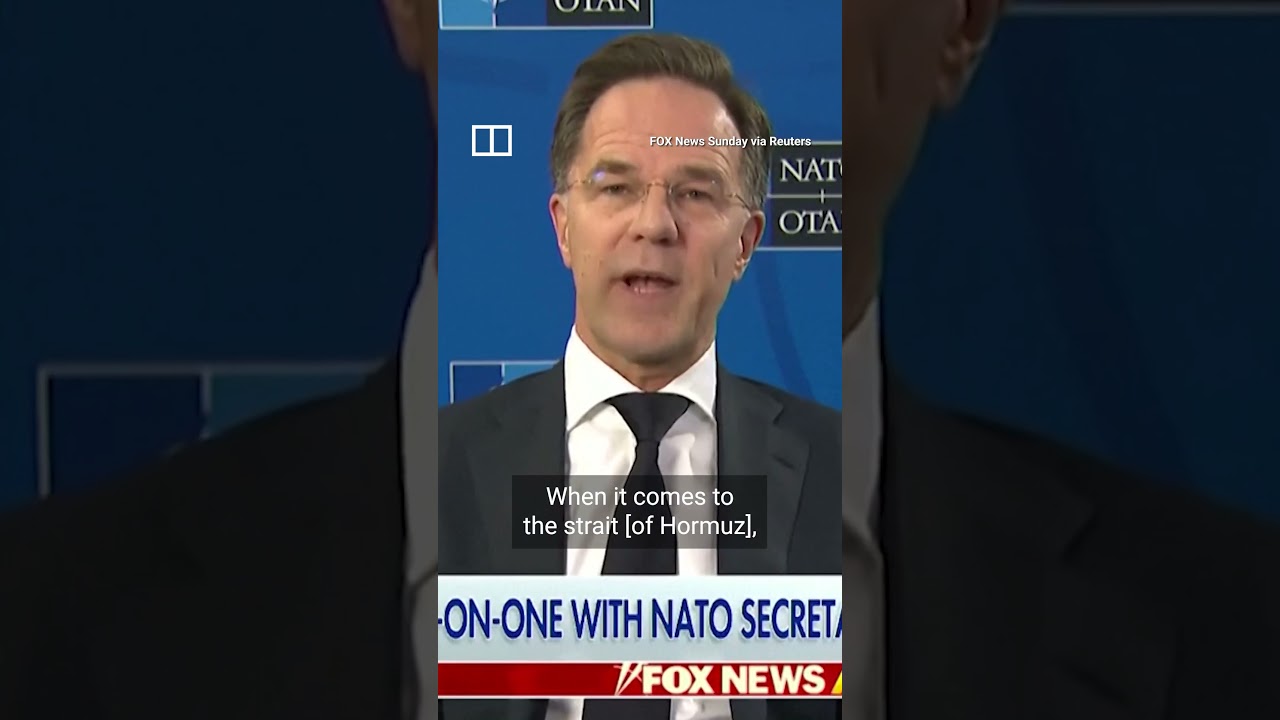
Nato chief says 22 countries working to reopen Strait of Hormuz
Nato chief says 22 countries working to reopen Strait of Hormuz
Advertisement
“The first area which is affected by the current crisis is crude petroleum,” George Elombi, president of the African Export-Import Bank (Afreximbank), told reporters in Cairo, Egypt, on March 18. “It is good for those of our countries which are export-oriented in petroleum; for the countries that are net importers of the refined petroleum, the prices will go up.”
Elombi said Afreximbank was putting in place measures to give financial help to African countries dependent on fuel imports.
Advertisement
The squeeze on fertiliser imports comes at a time when the product is needed most across tropical Africa, at the start of the rains and the planting season. Sudan, for example, gets as much as 54 per cent of its fertiliser shipments using the Strait of Hormuz, according to the United Nations Conference on Trade and Development (UNCTAD). For Somalia, it is 30 per cent, while for Kenya it is slightly lower at 26 per cent.
“A 30-day closure of the strait could severely impact crop yields of nitrogen-dependent crops like corn, wheat and rice,” noted UNCTAD’s report on the war’s effects.