China’s ASN-301 shares the Iranian drone’s aerodynamic delta-wing design that is rooted in a common technological origin.
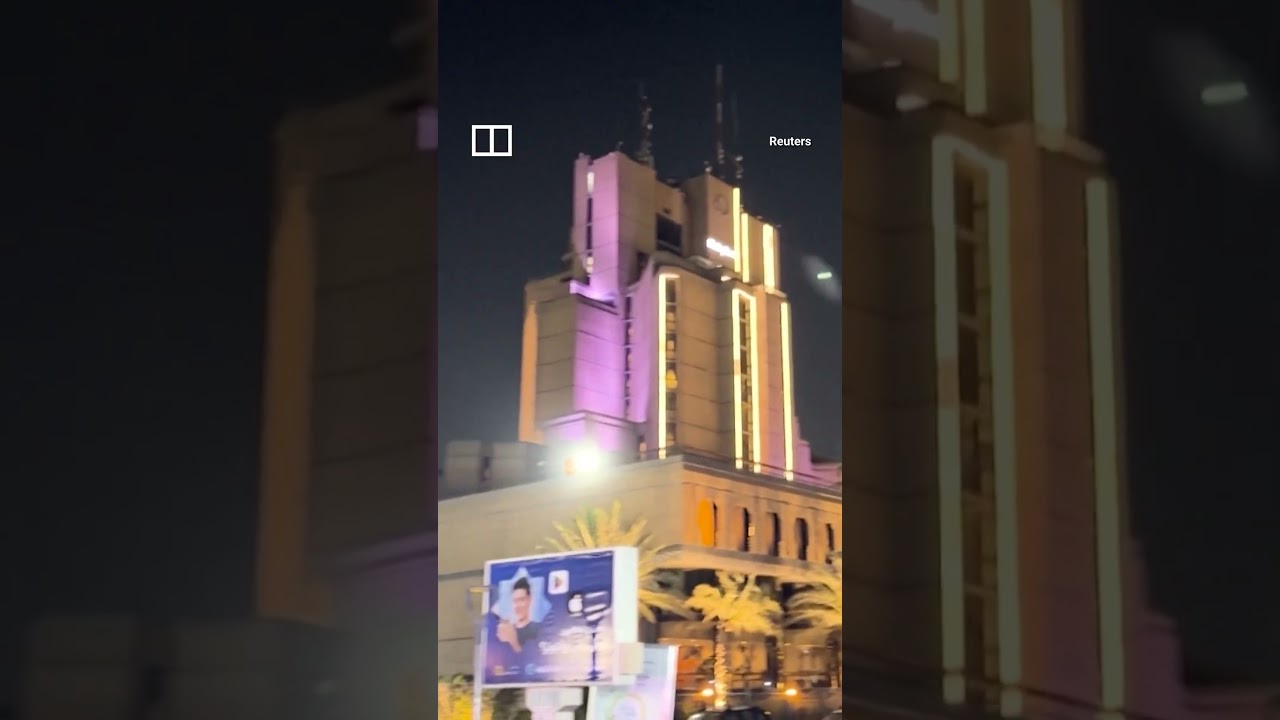
Eyewitness footage of drone attacks on US embassy in Iraq
Eyewitness footage of drone attacks on US embassy in Iraq
Specifications
Despite the striking resemblance between the two – both bearing a low-aspect-ratio tailless delta wing with a cylindrical fuselage, a spherical optoelectronic nose payload and a rear-mounted pusher propeller – the Chinese ASN-301 is an anti-radiation loitering munition rather than a simple kamikaze drone.
Advertisement
The system made its public debut in 2017 during the People’s Liberation Army anniversary military parade, and its capabilities were showcased in a live-fire drill in October last year.
Smaller than its Iranian counterpart, the ASN-301 is 2.5 metres (8.2 feet) long, with a wingspan of 2.2 metres and a total weight of 135kg (298lbs).
Advertisement
It is equipped with a 30kg high-explosive fragmentation warhead, which is lighter than that of the Shahed-136. But the ASN-301 is fitted with a laser proximity fuse to disperse about 7,000 preformed fragments, optimising damage against radar antennas and control systems.