Unlock the Editor’s Digest for free
Roula Khalaf, Editor of the FT, selects her favourite stories in this weekly newsletter.
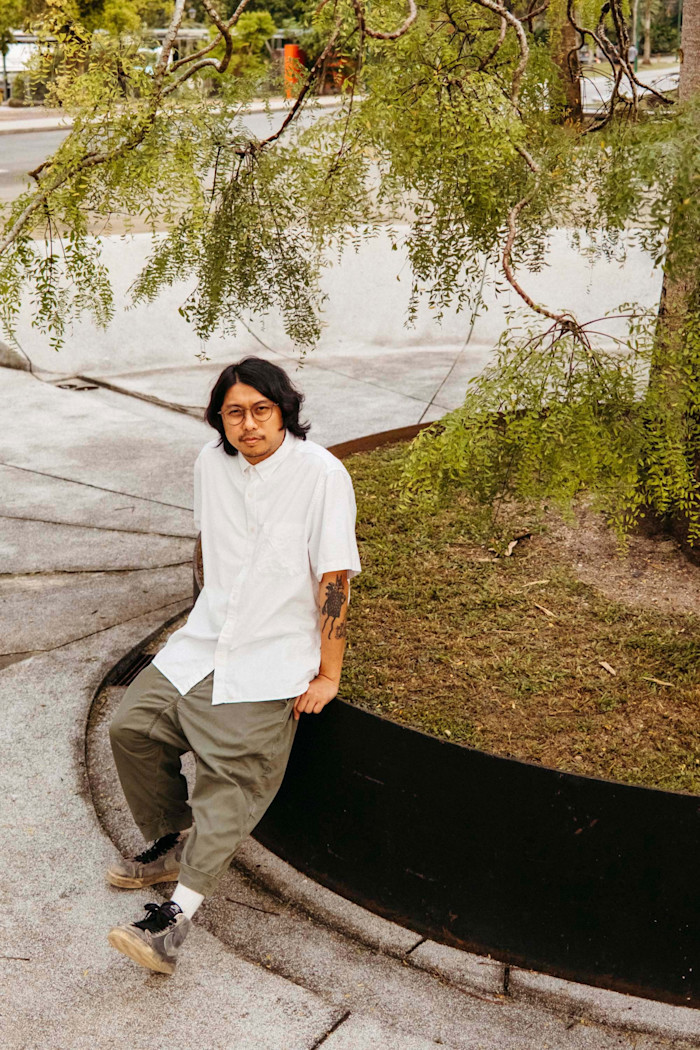
I was born in Kuala Lumpur. My late father ran a kopitiam (a traditional coffee shop) downtown, so I spent a lot of my early childhood there. Back then, in the 1980s, you could still run around in the neighbourhood. We used to play by the shophouses in nearby Jalan Pekeliling before they were demolished for redevelopment. They were some of the first pre-cast concrete structures built for mass housing and a landmark for anyone who grew up in KL during that time.
I also have a lot of memories of Petaling Street, our Chinatown. Back in the day, it used to be a trading centre, and people would come from all over to shop for everything from clothes to sweets and electronics. My father used to drive me around after closing the kopitiam for the day; we’d go past Dataran Merdeka, the square in which Malaysian independence was declared in the 1950s, and stop by Petaling Street for Hokkien noodles – the chewy, egg-based kind.
Things have changed a lot since then. A rise in commercial projects, traffic and the 1997 Asian financial crisis made Petaling Street almost uninhabitable thanks to the rising cost of living. My family were among those who moved out. We found a new home in the Cheras neighbourhood, which is where I still live. People used to see Cheras as a sleepy backwater. It’s more developed now, but it’s still laid-back.
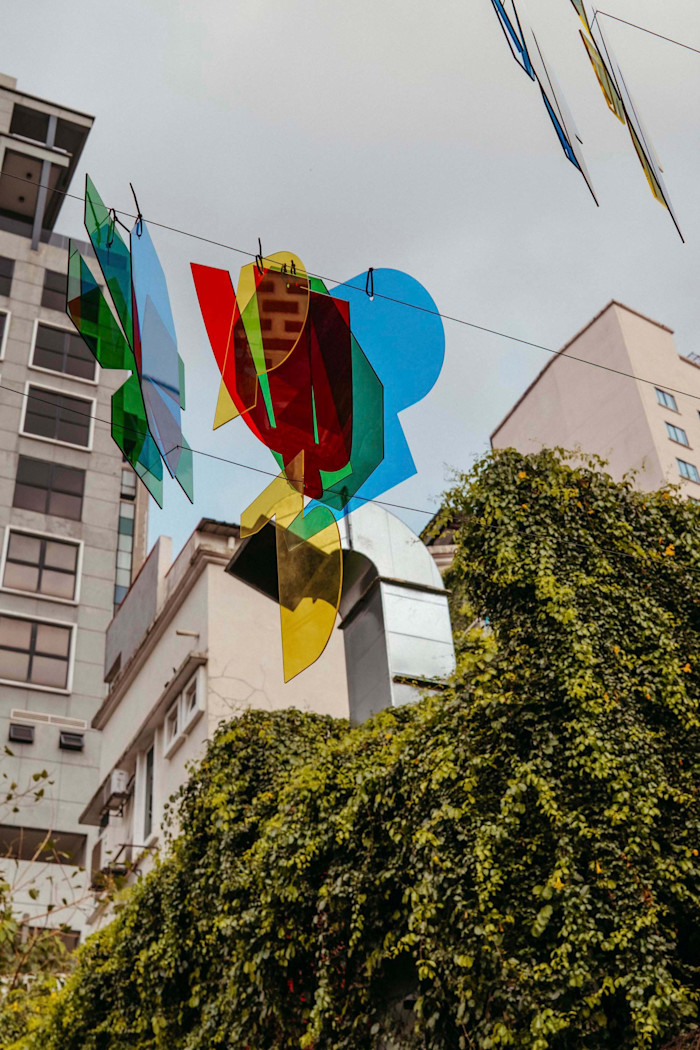
I studied architecture in Melbourne, which opened my eyes to a new world. Repurposing old buildings was something new back then, and I deployed the idea in my own work when I returned to Malaysia. My restaurant, ChoCha Foodstore, was partly inspired by this drive to preserve old buildings. When we first opened it in a 1920s shophouse in Petaling Street in 2016, it was a dying neighbourhood. Now it’s one of the trendiest streets in the city.
When you look at the global architecture conversation, Malaysia hardly gets a mention. That makes me sad. Kuala Lumpur doesn’t need more malls, luxury apartments or skyscrapers; we need projects that encapsulate our national identity. That’s something I aim to do with REXKL, the design hub I co-founded in 2018. It started with a partly abandoned cinema building, which we reopened as a place for creatives to showcase their work. I’ll always stop by Stellar, a nearby café, for coffee when I’m there, or a glass of wine at Fafaba. If you’re looking for unique pieces for the home, I also recommend checking out The Objects Store.
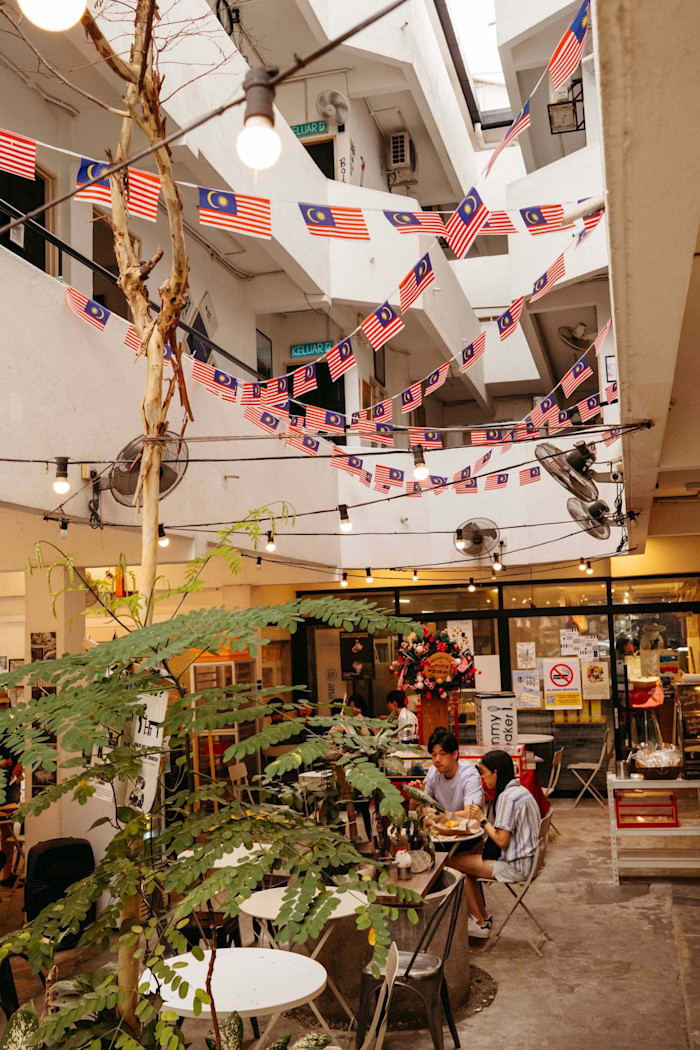
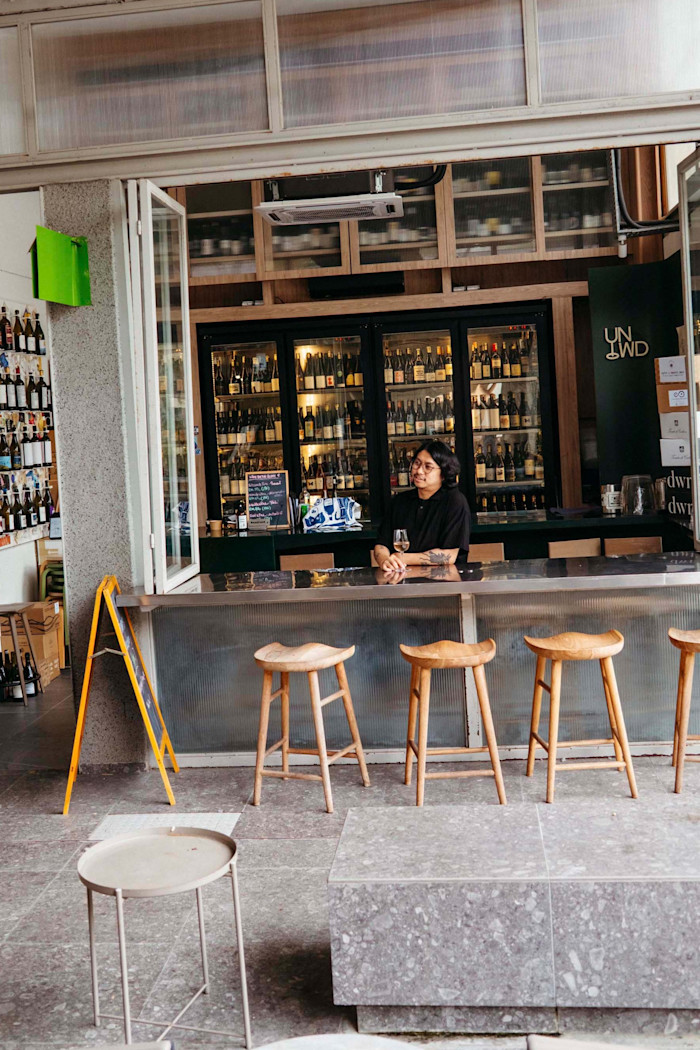
A building I love in the city centre is The Godown, a colonial-era warehouse and former cabaret club. It could have easily been torn down to build a mall, but instead it’s been turned into a space dedicated to the arts. Linghao Architects did a brilliant job of blending the greenery of the nearby forest reserve into the concrete and steel annexe area. Similarly, A Place Where in the Bangsar neighbourhood is a former printing factory-turned-community hub. There’s a great natural- wine bar there called Unwined.
Developments like these point to Kuala Lumpur’s growing arts scene. I love going to the UR-MU contemporary art museums, two of which showcase the private collection of architect Tan Loke Mun, which includes Malaysian artists such as Tan Zi Hao and Kide Baharudin. Another good place is Ilham, a contemporary art gallery housed in a Foster & Partners-designed building.
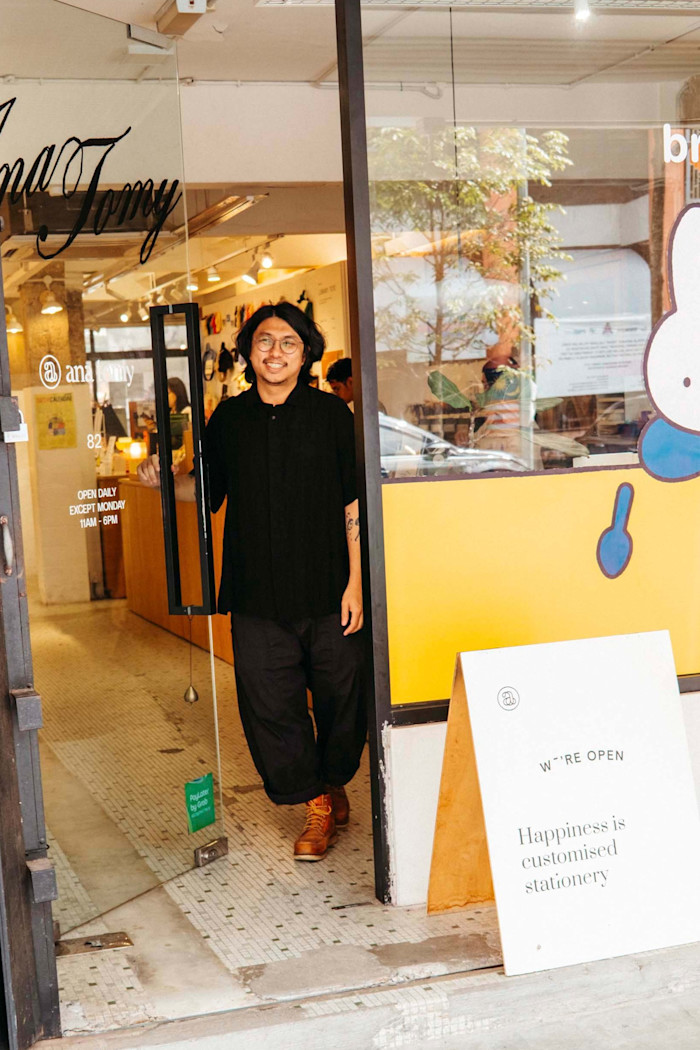
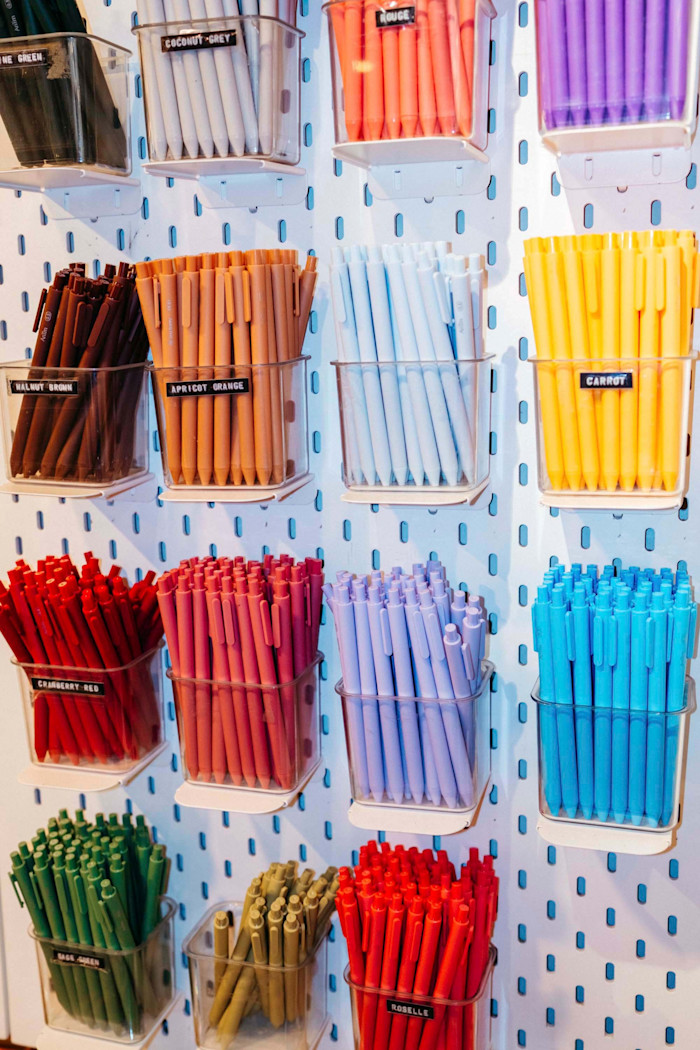
If you want to avoid crowded malls, one of the best places to shop is The Zhongshan Building in Kampung Attap, an emerging creative haven. From the outside it looks like an unassuming whitewashed building, but it holds a diverse bunch of tenants including Ana Tomy, a stationer, and Tandang record store. For local independent brands, Mano Plus and GMBB are also great places to shop.
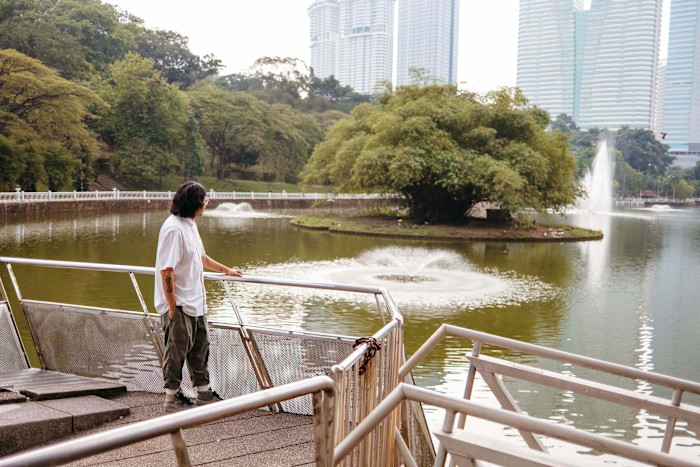
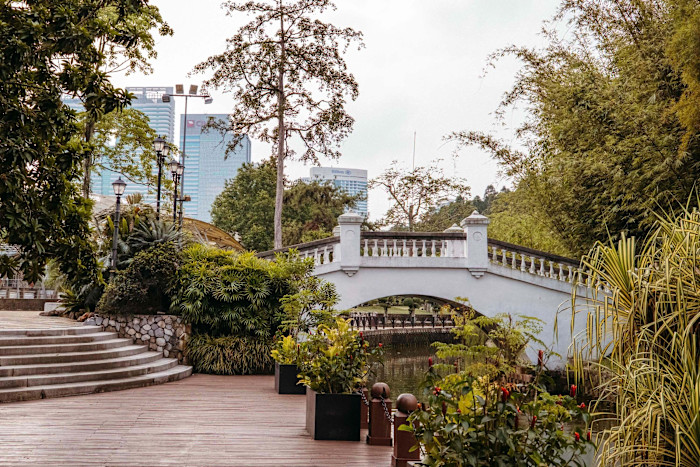
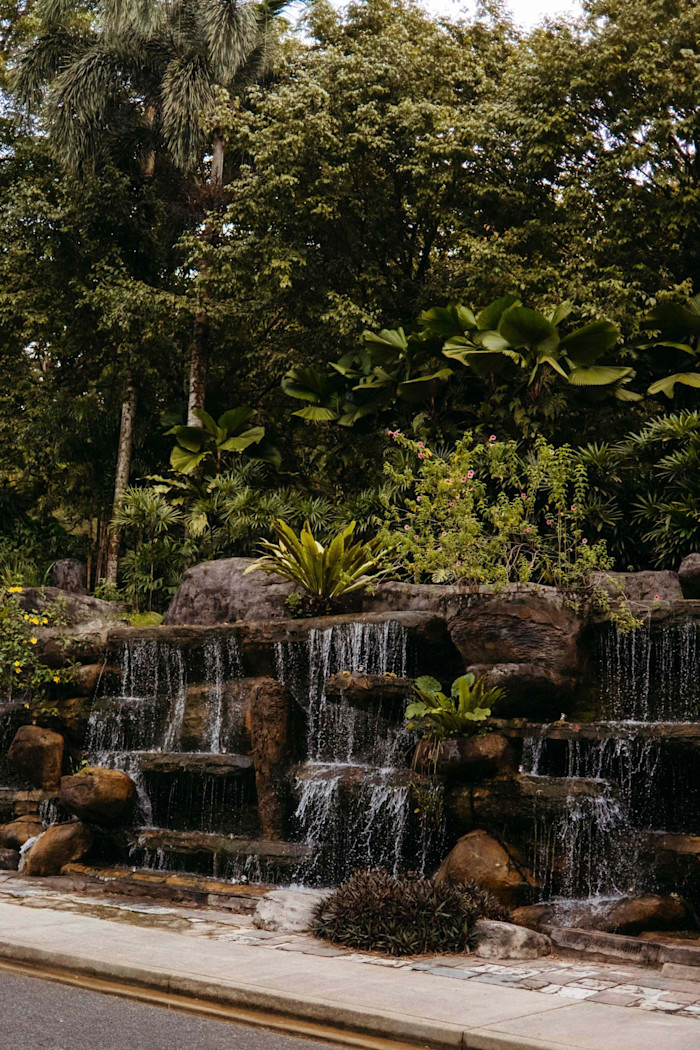
Visitors are often surprised that Kuala Lumpur has plenty of green spaces. If I need to unwind, I walk around the Perdana Botanical Garden, the oldest public park in the city; it dates back to the late 1800s. The landscaping is pretty and prim. For more natural beauty, I prefer Sungai Congkak, a river about 30 minutes away from the city. I place a chair on one of the rocks and sit there for hours with a cup of coffee.
The city’s architecture has a similar philosophy to its food scene. Both blend tradition with modernity in a way that doesn’t abandon its roots. We don’t play with too many crazy forms or try to be too avant-garde. The same goes for our cuisine and use of ingredients. For lunch, I like the Medan Selera (food court) in Kampung Baru, where they serve Malaysian takes on traditional Indonesian food such as nasi padang – steamed rice with side dishes of rendang (dry curry), fried chicken and spiced vegetables. For special occasions, I recommend Dewakan, which has a totally new perspective on Malaysian flavours – the grilled sliced beef with local herbs was one of the best dishes I’d had in a while.
You have to live in Kuala Lumpur for a while to really appreciate the culture here: it grows on you as you get into its rhythms. The people are welcoming and it’s easy to adapt to KL’s way of life. The soul of a city is important, and you feel it here in the warmth of the people.