At a time when boosting domestic demand tops Beijing’s economic agenda, discussing an amateur sports tournament at the national podium goes beyond mere cultural commentary. It hints at something broader about how policymakers are approaching the consumption challenge: increasingly relying on experimentation.
China has spent more than a decade trying to rebalance its economy towards consumption, yet progress has been slow. Exports now face mounting geopolitical pressure, while the property sector, once a powerful driver of household spending, remains stuck in a prolonged downturn. The urgency of cultivating a stronger domestic consumption engine has therefore never been greater.
Advertisement
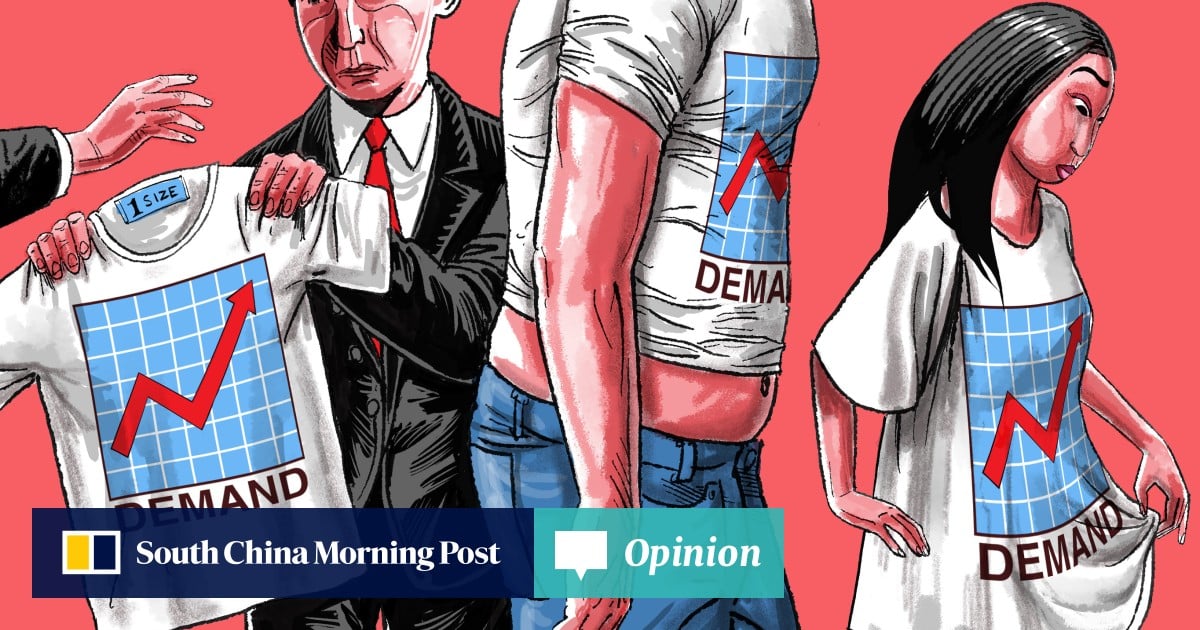
Recent local experiments suggest that the solution may lie less in sweeping nationwide subsidy programmes and more in targeted, locally tailored initiatives. In 2025, China’s total retail sales grew just 3.7 per cent nationwide. But several regions outperformed the national average, offering clues about what actually motivates Chinese consumers to spend.
From Jiangsu province’s grass-roots football league to Chongqing’s nightlife economy and the rising purchasing power of lower-tier cities, these initiatives are critical to watch. Yet, they also reveal an important truth: what works in one place does not necessarily translate elsewhere.
Advertisement
Recognition of local initiatives is beginning to show up in policy language. In the 2026 government work report, boosting consumption remains the top economic priority, but this year’s language emphasises concrete, innovative interventions, creating “high-profile consumption scenarios” and policies with broad spillover effects. The sports sector mentioned in 2025 has been further specified as sporting events, a subtle but telling nod to local successes like Su Super League.