Unlock the Editor’s Digest for free
Roula Khalaf, Editor of the FT, selects her favourite stories in this weekly newsletter.
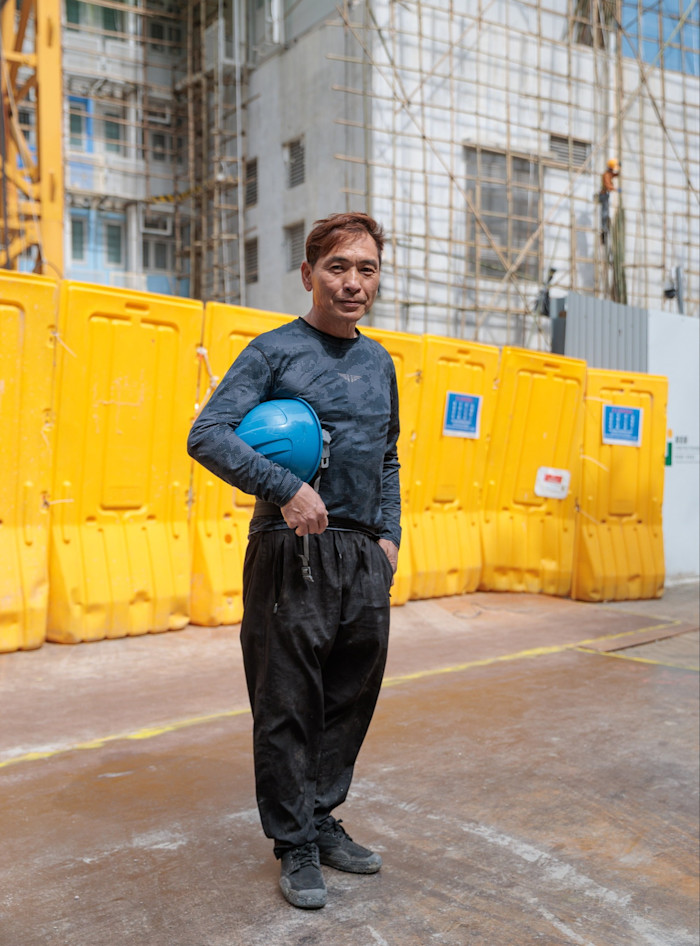
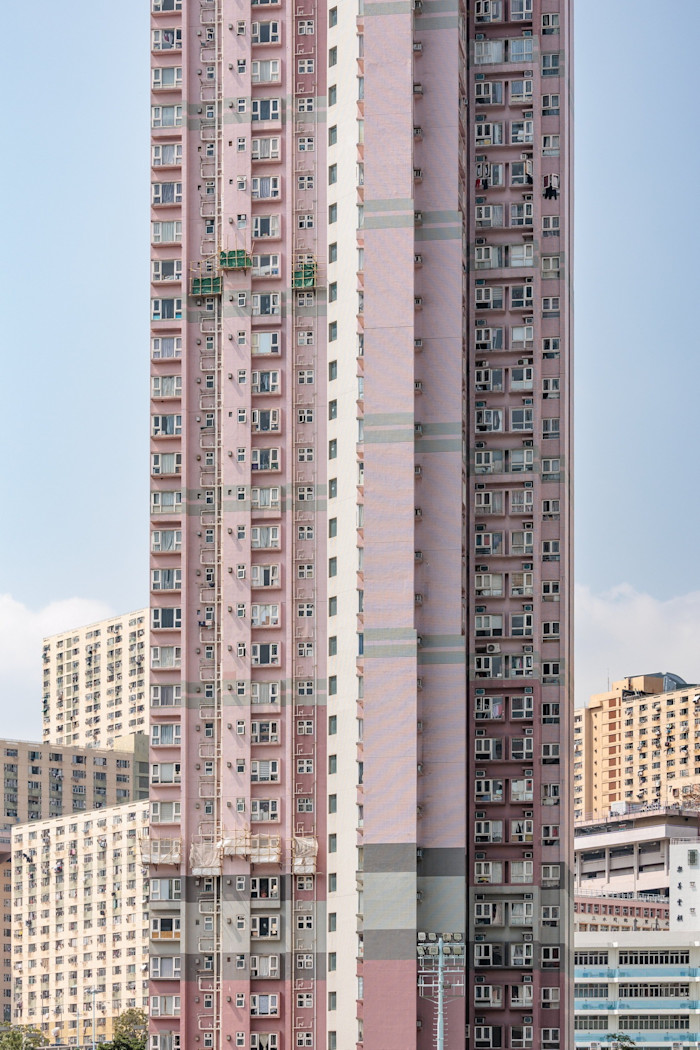
When he was a boy, Kenny Lee never thought much about bamboo, let alone what it symbolised in Hong Kong. But soon after entering the scaffolding industry in 1989 — first as a construction worker, later specialising in building open-air theatres for festivals and Cantonese operas — he realised that bamboo was an inescapable part of the city’s landscape. One can see traces of it everywhere: wrapped around buildings of all shapes and sizes, from Hong Kong’s smallest village houses to the soaring skyscrapers that make up the skyline.
“It’s distinctive to the city,” said Lee, now 57 and a licensed “master” craftsman who has spent the past two decades specialising in bamboo theatres, which are constructed without any blueprints and rely completely on the builder’s skills. The number of artisans who focus on this niche has halved to only about 40 since Lee started, he says. “The craft has been passed down for over a thousand years. It would be a pity if it became extinct.”
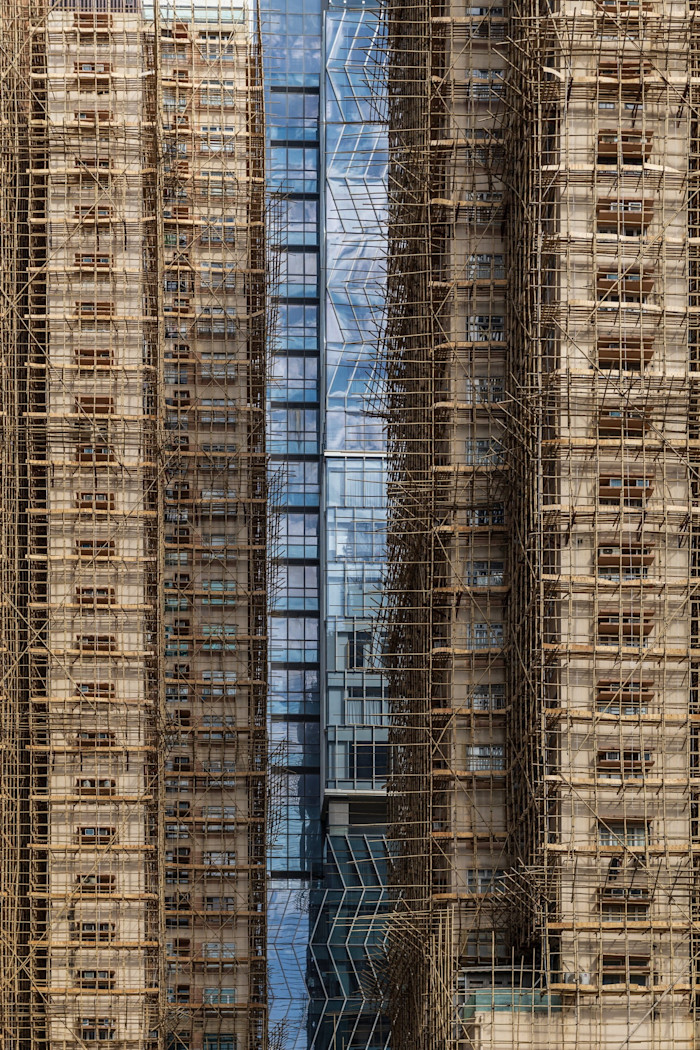
With about 2,500 bamboo scaffolding masters currently registered in the city, Hong Kong is one of the last places in the world where the ancient technique is still used in modern construction. But its future is increasingly precarious.
Now, the government is seeking to replace bamboo with metal, reportedly due to safety concerns. The subject became a political flashpoint following the city’s deadliest fire in recent memory in November, when an apartment complex caught fire and killed 168 people. After authorities initially blamed bamboo scaffolding for the spread of the fire — the cause of which remains under investigation — many rallied to defend what they saw as one of the last symbols of the city’s heritage, at a time when local identity feels increasingly under threat.
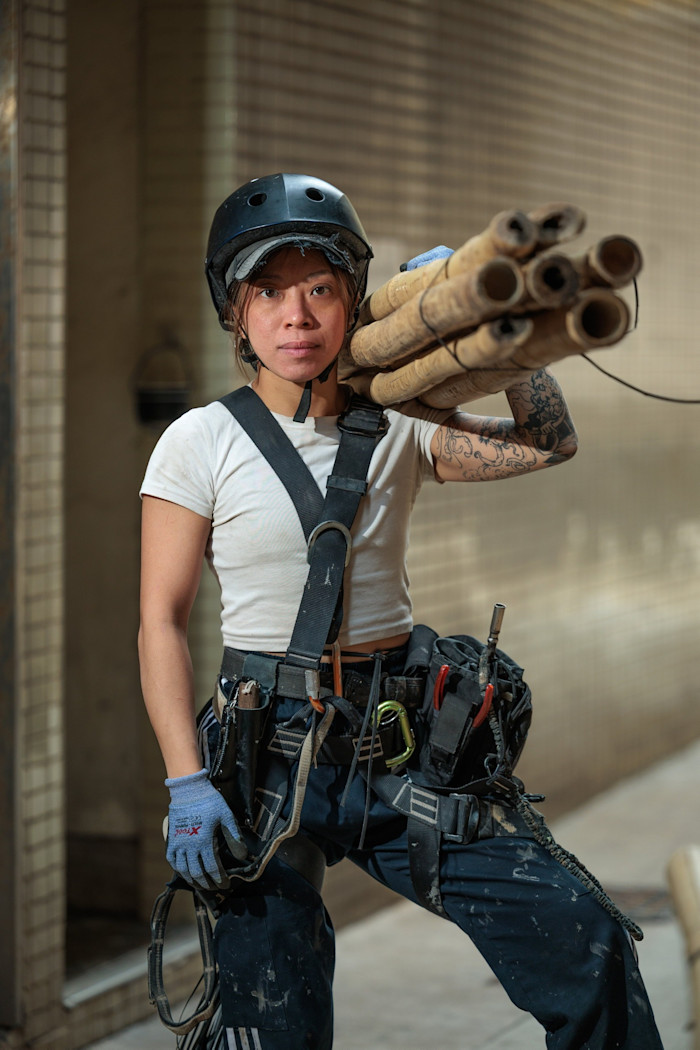
Daisy Pak, a 31-year-old bamboo scaffolder and one of the few women working in the industry, says the outpouring of support from people of all walks of life took her by surprise. Having struggled with drug addiction, Pak entered the industry during the pandemic when she quit her job working in a shady nightclub in search of a fresh start. She quickly fell in love with the craft, and worked her way up to becoming a master.
“I was really moved. We all thought we would need to change jobs. The market is shrinking,” says Pak, who also obtained a licence to work with metal scaffolds two years ago. Back then, there was already talk of replacing bamboo completely as in mainland China, where its use was banned in housing construction and municipal engineering projects in 2022.
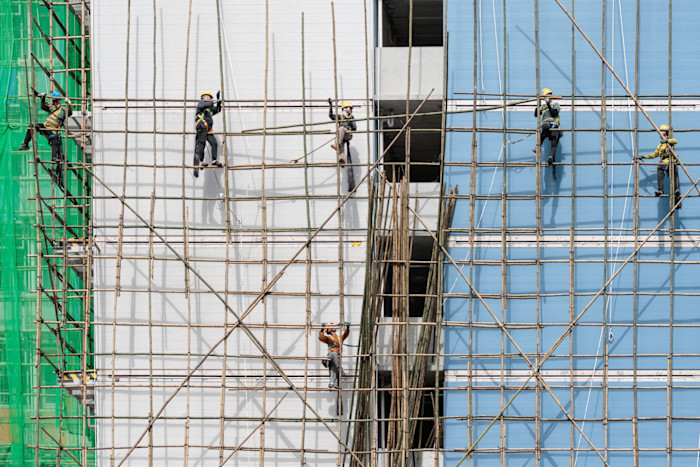
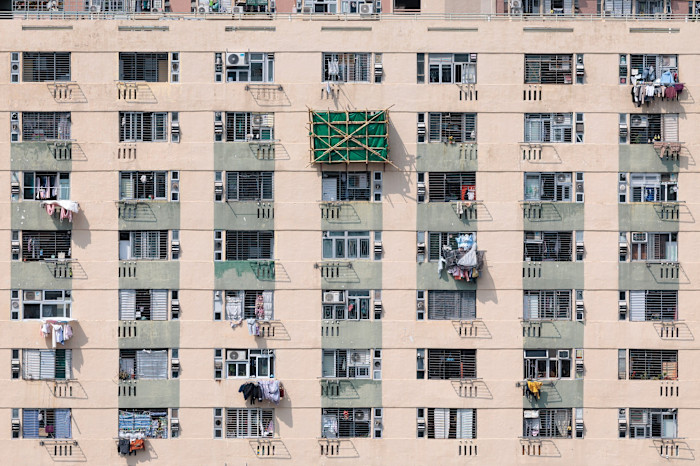
The earliest records of widespread bamboo scaffolding in Hong Kong date back to the 1800s. Local builders have long preferred using bamboo over metal due to its lighter weight, resilience and more affordable price point, according to Lee.
Bamboo also gives workers more flexibility to build in narrow construction sites. Unlike metal poles, which come in fixed sizes, bamboo poles can be cut and tied at various lengths, making them more convenient to use particularly in small spaces, Pak adds.
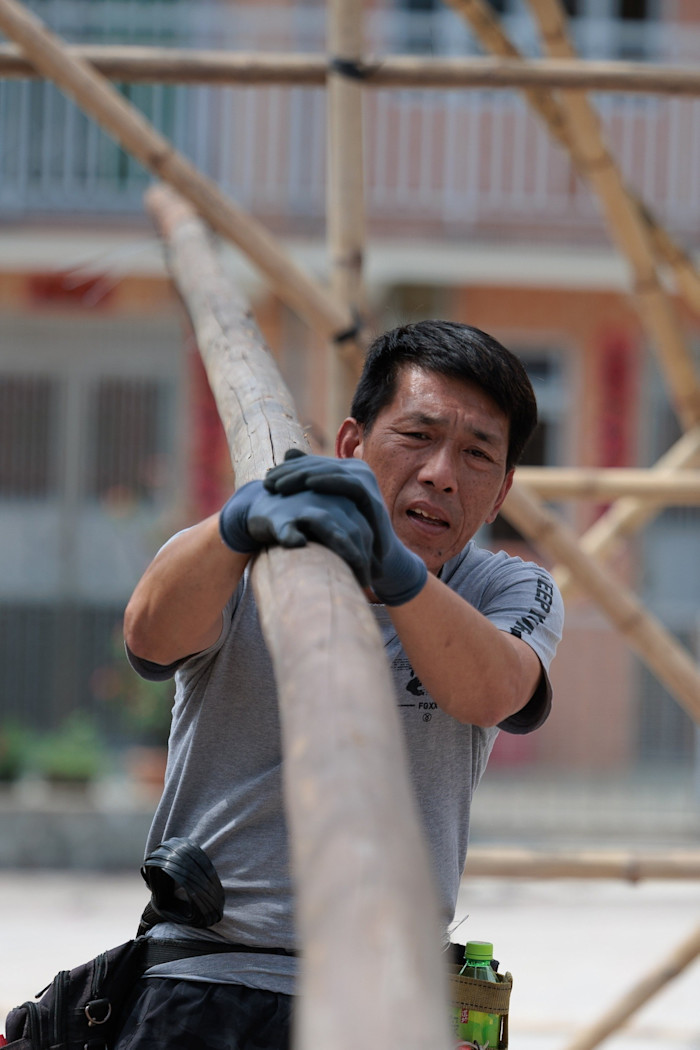
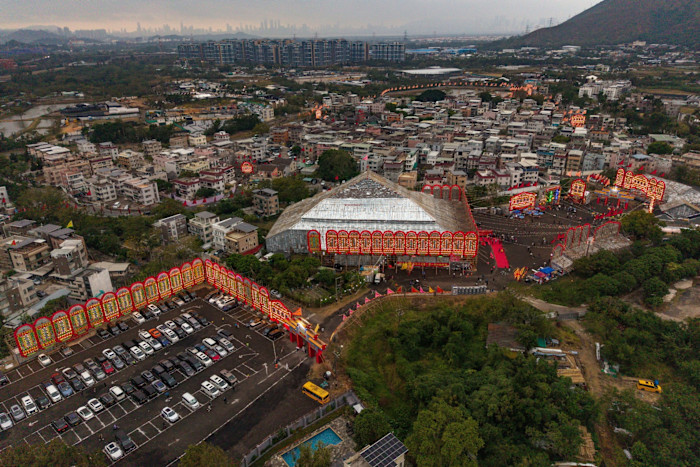
Veteran bamboo scaffolder Lai Chi-ming, 52, agrees it will be difficult to completely replace bamboo, especially since the material is required for building traditional theatres to host festival performances. About 30 to 40 are built across the city each year, including the Kam Tin Heung Jiao Festival theatre that was recognised by the Guinness World Records as the world’s largest temporary “bamboo structure altar” in December. Assembled in 60 days using more than 30,000 bamboo poles by a team of 17 craftsmen led by Lai, the theatre was more than five storeys high and more than 40,000 sq ft in size.
“It was just a job to me. I never thought I would break a world record,” says Lai, who entered the industry in 1999, following in the footsteps of his father, who was also a bamboo scaffolder. “I don’t think bamboo will disappear so easily.”
Hongkongers’ interest in bamboo as part of the city’s culture has also made ripples in the contemporary art world, with local and overseas artists incorporating the material and technique into their practices. Lap-see Lam, a Swedish-born artist whose grandmother emigrated from Hong Kong to Europe in the 1960s, will feature bamboo as a motif in her upcoming exhibition Bamboo Palace, Revisited — her first solo show in the city.
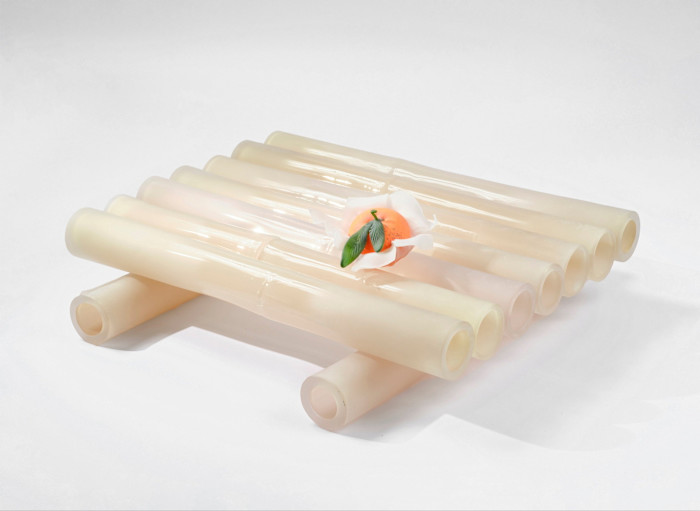
Opening on March 21 at Blindspot Gallery during Art Basel, the exhibition includes Lam’s Hong Kong myth-inspired film Floating Sea Palace — in which bamboo scaffolding also plays a part — as well as her newest neon and glass installations. The glass sculptures, cast from bamboo and handblown, are products of a collaboration with Pak, whom Lam has worked with on various bamboo-related projects.
“I’ve always felt it was important to bring in the sifus [craft masters] to build up my scaffoldings,” says Lam, who has fond memories of her family’s Chinese restaurant in Stockholm, Bamboo Garden. “Bamboo as a motif has always been part of my family history.”
According to Siu Man, a local artist and architect whose scaffolding installation Dis-place was part of Hong Kong’s 2022 Architecture Urbanism Biennale, the city is always changing: not just materially, but also politically.
As markers of transformation, scaffolding captures the transience of Hong Kong’s ever-shifting identity. “Where there’s bamboo, something is either being built or being demolished,” Siu says. “It’s a physical symbol of change.”
Find out about our latest stories first — follow FT Weekend on Instagram, Bluesky and X, and sign up to receive the FT Weekend newsletter every Saturday morning