Coupang, the online retailer, once called itself a “proud Korean company”. But lately, it is emphasising it is an American one.
The group known as “South Korea’s Amazon” has been lobbying the US government to represent its interests as it faces investigations by at least 10 different agencies in Seoul over a massive data leak.
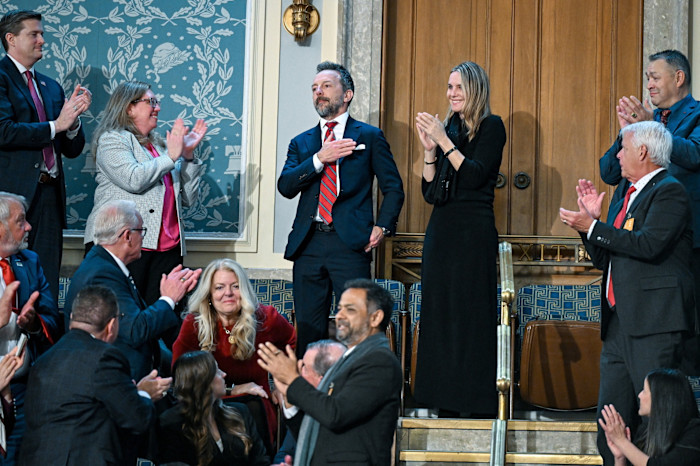
These efforts were on full display last month when Harold Rogers, interim chief executive of Coupang Korea, was in the audience for US President Donald Trump’s State of the Union address.
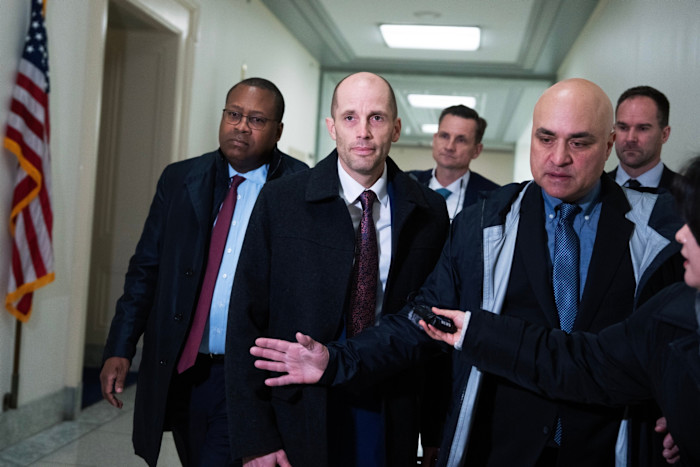
A day earlier, he testified at a closed-door session of the House Judiciary Committee at the request of chairs Jim Jordan and Scott Fitzgerald, who have called the “targeting” of Coupang “a sharp escalation of South Korea’s campaign against innovative American-owned companies”.
The accusation might come as a surprise to many Koreans who depend on Coupang’s overnight “rocket delivery” service for groceries and household goods but may be unaware its headquarters is actually in Seattle.
“Coupang seems to think that Korea should not deal with it like any other Korean company because it is an American company,” said Wi Jong-hyun, a business professor at Chung-Ang University in Seoul.
The dispute underscores how governments worldwide now risk American pressure when regulating the domestic operations of US companies. From threatened retaliation over EU antitrust fines for Apple and Google, to probes into digital taxes in France and India, Washington has shown an increasing readiness to treat foreign regulatory scrutiny as a non-tariff trade issue.
Vice-president JD Vance has raised the Coupang case with South Korean Prime Minister Kim Min-seok. A group of Coupang investors has petitioned Washington under Section 301 of the Trade Act, which allows the US government to investigate and retaliate against foreign trade practices it deems unfair.
Among those investors was Altimeter Capital, whose chief executive Brad Gerstner was also at the State of the Union and for whom Trump interrupted his speech to call “a very tremendous guy”.
Coupang has been cultivating relationships in Washington since at least 2021, when it hired former Trump official Alex Wong as head of public affairs. It has also tapped administration-linked lobbying firms such as Miller Strategies, and its chief global affairs officer is former White House staff secretary Rob Porter.
Rogers himself is a political donor to Republicans and Democrats. Last July, he gave $5,000 to the campaign of Suzan DelBene, a Democrat who told a House trade subcommittee in January: “I’m hearing from companies in my home state of Washington, like Coupang, [Korean] regulators are already violating commitments.”
As part of a deal signed last November to avert US tariffs, South Korea committed to ensuring American companies are “not discriminated against and do not face unnecessary barriers in terms of laws and policies concerning digital services”.
Coupang’s troubles started last November, when it revealed that a former employee had used stolen credentials to access customer information systems. Korean authorities said the personal data of nearly two-thirds of the country’s population was leaked and viewed more than 100mn times.
Coupang recently disclosed a further 200,000 accounts were compromised in Taiwan.
The company has apologised but rejected Korean regulators’ interpretation of the leak’s scale, arguing “the perpetrator retained limited user data from only 3,000 accounts and subsequently deleted” it, adding no evidence of “secondary harm” had been found. Shares have fallen by more than a third since November.
Lawmakers have called for Bom Kim, Coupang’s Korean-American founder who serves as chief executive of the New York-listed parent company, to take personal responsibility and apologise. He declined to attend a National Assembly hearing in December, citing “pre-existing plans”, which lawmakers interpreted as a snub.
“People around [Coupang], including me, told them: ‘Have Bom Kim go to Korea and apologise, apologise, apologise,’” said a person in Washington close to the company and Korean officials, adding that such a mea culpa was “almost a rite of passage” for any corporate leader in South Korea.
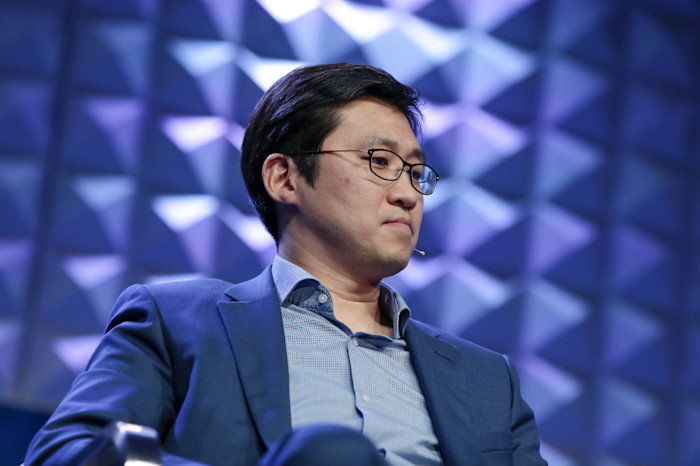
Kim started Coupang in 2010 with the aim of bringing the Groupon business model to South Korea. But a pivot to rapid delivery, largely bankrolled by an investment from SoftBank, led to market dominance.
Today, it is South Korea’s second-largest private employer after Samsung Electronics and accounts for nearly a quarter of the online shopping market. Its 2025 revenue of Won49.1tn ($33.5bn) exceeded that of all large Korean supermarkets combined.
Although Coupang derives more than 90 per cent of its revenue from South Korea, it remains a Delaware-registered company. In a statement, Coupang said it was a “US technology and Fortune 150 company” with “subsidiaries around the world, including in Korea, Taiwan and Japan”.
Coupang’s tensions with Korean authorities predate the breach and reflect longstanding disputes over privacy, competition and ecommerce regulation, as well as proposed legislation that would impose additional obligations on dominant online platforms.
They echo broader complaints from Washington that tech regulations often fall most heavily on big US companies. Uber’s peer-to-peer ride-hailing service was banned after a South Korean court ruled it illegal in 2014. Google Maps was unable to provide navigation as Seoul had blocked it from exporting detailed map data until late last month.
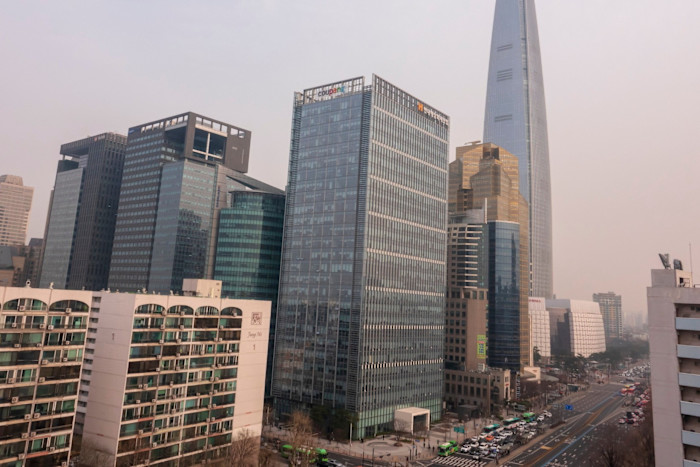
While South Korea’s measures are not intended to discriminate against US companies in particular, from Washington’s perspective, “their effect disproportionately impacts” American groups, said Haeyoon Kim, who runs the Korea Tech and Trade Watch newsletter.
Trade minister Yeo Han-koo rejected the discrimination charge, telling the FT: “The Coupang issue is a separate standalone data breach case.”
People with knowledge of the situation said Coupang was looking for a way out that could entail paying fines, making donations to government-aligned causes or a visit and apology from Bom Kim, provided there were assurances that he would not be arrested.
Coupang did not respond to a request for comment on its plans.
Meanwhile, South Korean officials may have found another way to apply pressure without escalating into an overt trade confrontation.
Last month, the government and ruling Democratic Party proposed lifting a 14-year ban on early-morning deliveries by supermarkets — a rule initially introduced to protect traditional markets but which has helped Coupang expand rapidly.