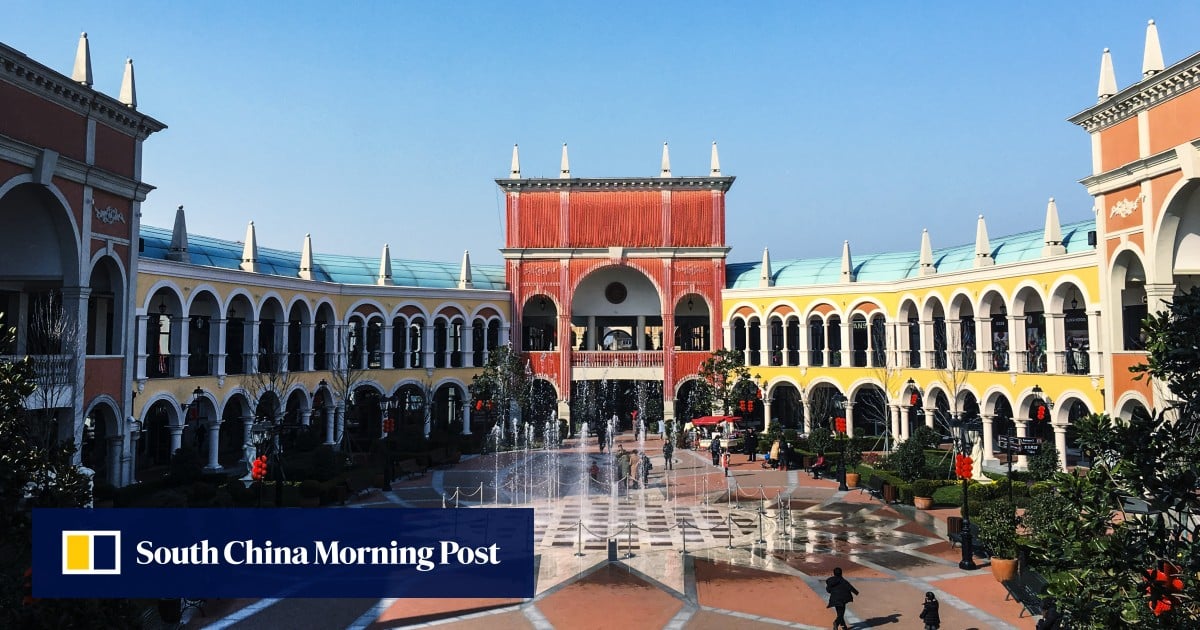
For Steven Zhou, a 40-year-old Beijing office worker, suburban outlet stores offer a better shopping experience than urban malls, allowing him to escape the city, park his car without frustration and, most importantly, find good deals.
“Outlets offer a wide selection of brands, with attractive discounts, especially on sportswear,” Zhou said.
Across the mainland, outlets are expanding while traditional and luxury malls face high vacancy rates. Offering well-known brands at discounted prices, outlets aligned with changing consumer preferences and the current trend of rational spending amid the sluggish economy, according to analysts.
Advertisement
“By encouraging longer visits, the format fits with the demand of short weekend trips of families and young consumers,” said Fu Yifu, a special researcher at Su Merchants Bank in Nanjing, the capital of eastern China’s Jiangsu province.
From 2021 to 2025, total sales generated by outlets in China nearly doubled to 248 billion yuan (US$36 billion) from 126 billion yuan, making the sector a key growth driver for retail sales, according to a report by the China Commerce Association for General Merchandise.
Advertisement
The popularity has encouraged many developers to increase their bets on suburban retail. Several new outlets have opened in recent months, with more to follow this year.