In international relations, interactions between states are often understood through a transactional lens. A transactional approach treats diplomacy as a series of discrete deals, short-term and conditional exchanges governed by a strict calculus of quid pro quo. Its focus is immediate gain and measurable returns.
The turbulence in transatlantic relations over the past year illustrates the strengths and weaknesses of such an approach. At the Munich Security Conference earlier this month, US Secretary of State Marco Rubio reassured European leaders of the “unbreakable link” between the United States and Europe. His tone was conciliatory. Yet although the rhetoric was softer, the underlying message of Washington’s foreign policy remained largely unchanged.
After more than a year of strained ties marked by tariff disputes, pressure over Ukraine, threats towards Greenland and open US support for Eurosceptic political forces, many European leaders believe that something fundamental has shifted. When relationships are repeatedly tested, they are not easily restored. The debate in Europe about greater strategic autonomy, including discussions in Germany about potential reliance on a French nuclear umbrella, reflects a deeper anxiety about reliability and long-term commitment.
Advertisement
These developments highlight a broader feature of transactional diplomacy. It can be effective in extracting concessions or advancing immediate interests, but it also introduces volatility. When alliances are framed primarily in terms of burden sharing, financial contributions or tactical advantage, partners begin to calculate their exposure to political change. Commitments appear contingent.
By contrast, China presents its foreign policy in different terms. Beijing emphasises mutual trust, long-term engagement and the cultivation of enduring partnerships. Rather than describing state-to-state ties as a succession of bargains, it frames them as part of an evolving network of relationships grounded in shared development and a shared future.
Advertisement
This relational logic is most visible in the Belt and Road Initiative and in the broader concept of building a community with a shared future for humankind. The premise is that nations are interconnected within a larger whole, with overlapping interests and intertwined destinies. The emphasis shifts from immediate exchange to sustained cooperation.
16:09
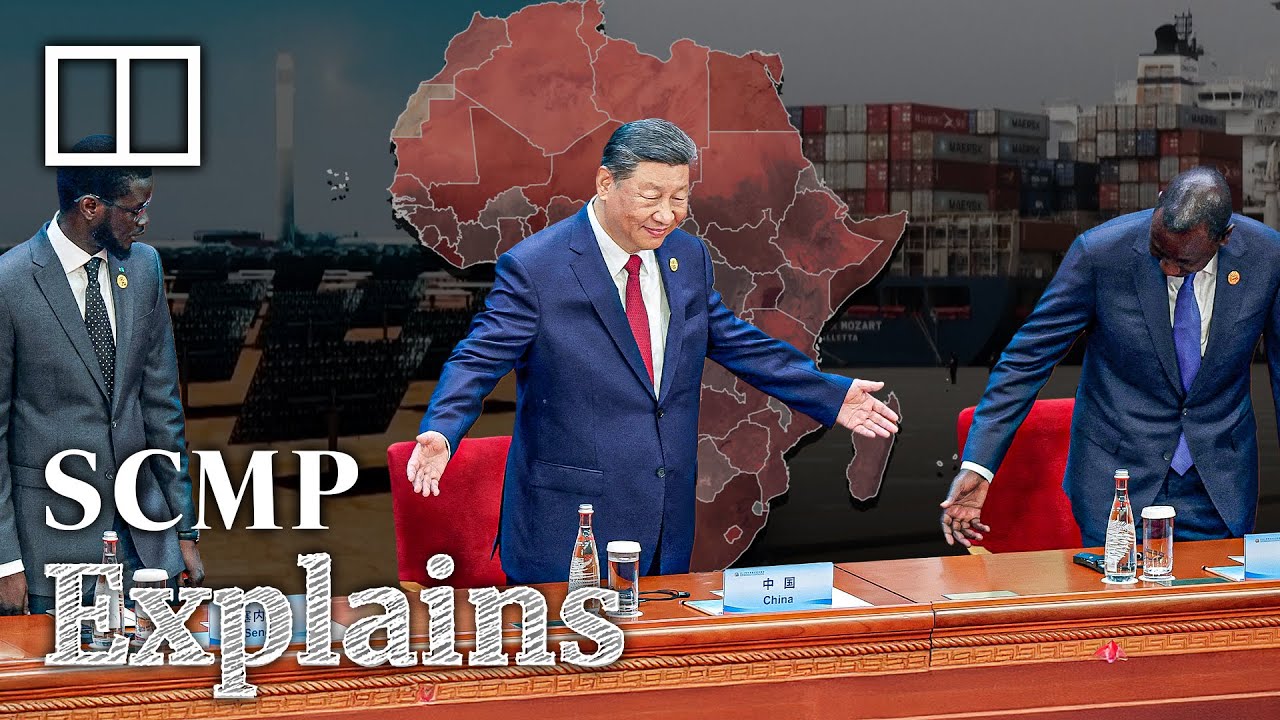
How China is reshaping its economic ties with Africa
How China is reshaping its economic ties with Africa