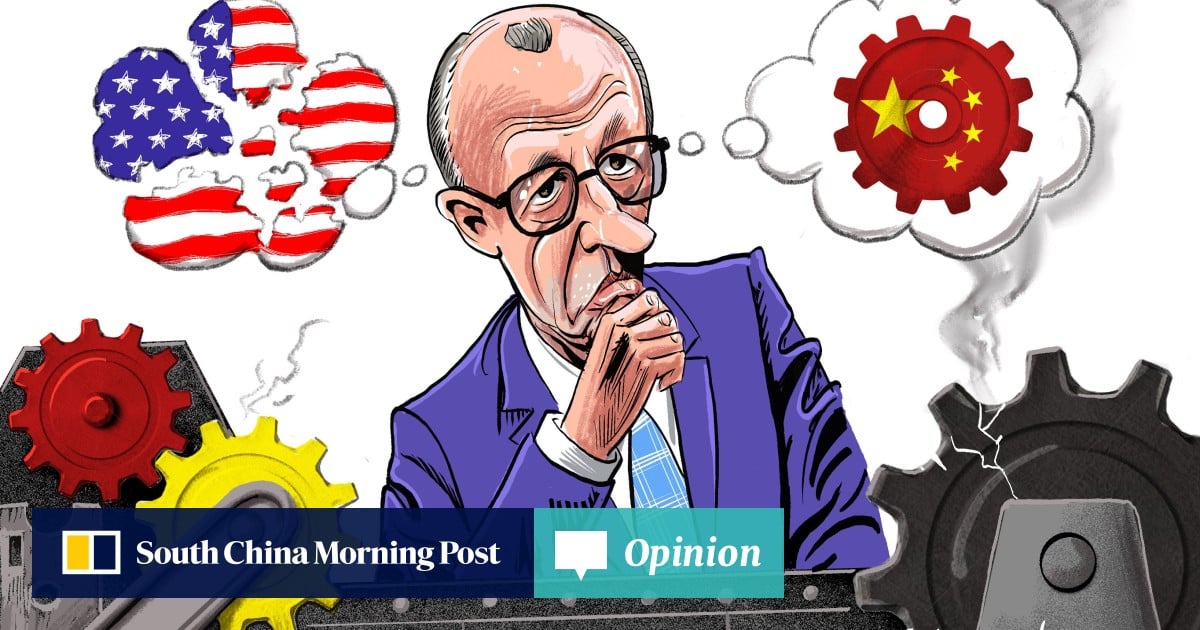
German Chancellor Friedrich Merz, who heads to Beijing this week, had warned last year in relation to China that economic dependencies make Germany “susceptible to blackmail”. As chancellor, he confronts an export model under strain, a deteriorating transatlantic environment and the fiscal reality that moral posturing does not sustain an industrial economy.
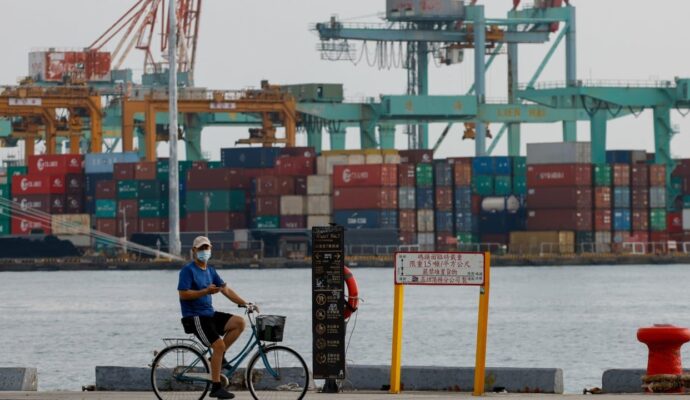
In 2025, China displaced the United States to regain its position as Germany’s largest trading partner, with around €252 billion (US$296.9 billion) in trade: €171 billion in imports from and €82 billion in exports to China.
Advertisement
An economy anchored in employment, public budgets and a technological edge built on exporting machinery, chemicals and cars might hesitate before recasting relations with its largest trading partner as a question of moral superiority. When prosperity rests on external markets, foreign policy becomes an extension of industrial policy.
Advertisement
These measures have not displaced Chinese competition as the central economic test. They have, however, reordered the hierarchy of immediate constraints; Berlin is squeezed from two directions, but the nature of the pressure differs. From Washington comes alliance-based extraction and coercion. From Beijing comes competitive displacement within global value chains.