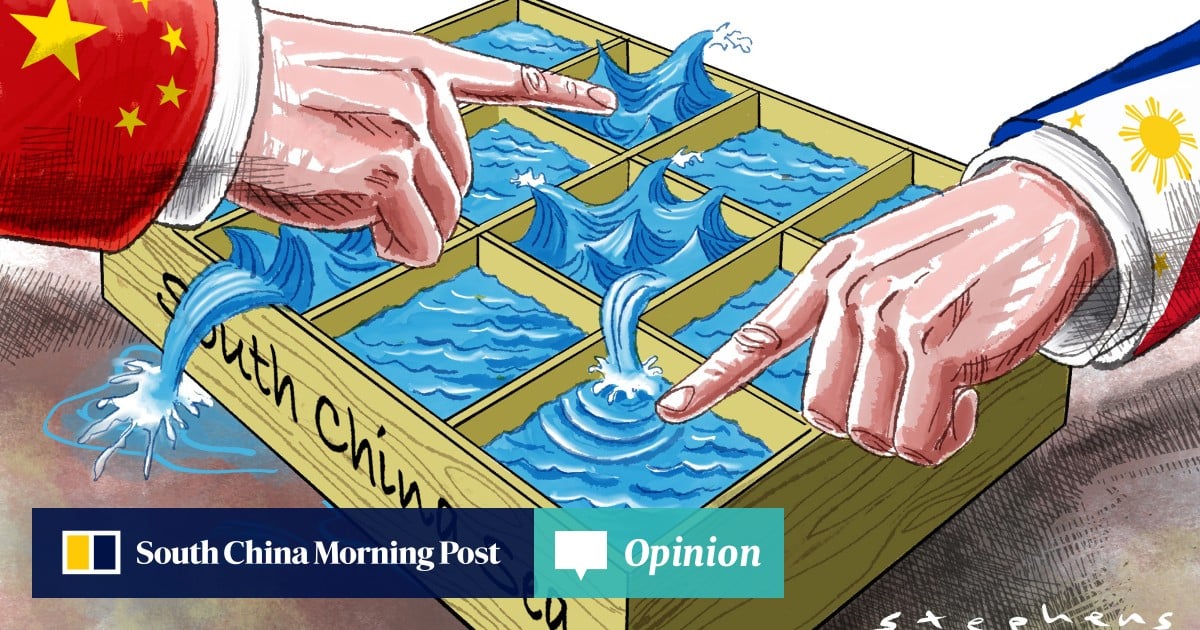
Can Manila’s South China Sea strategy of defiance and diplomacy hold?

In the South China Sea, conference rooms and contested shoals operate on parallel tracks. Whether this compartmentalisation can hold or whether the next incident drags everyone into a crisis is fast becoming a regional question, not merely a bilateral one.

Days after the diplomatic talks in the Philippine city of Cebu, a multilateral senior officials’ meeting on the South China Sea – attended by China and other claimants within the Association of Southeast Asian Nations – endorsed a road map to advance code of conduct negotiations. Manila’s recent 14-day visa-free policy for Chinese nationals added another conciliatory signal. Both developments suggest Beijing and Manila prefer managed competition to uncontrolled escalation.

Advertisement

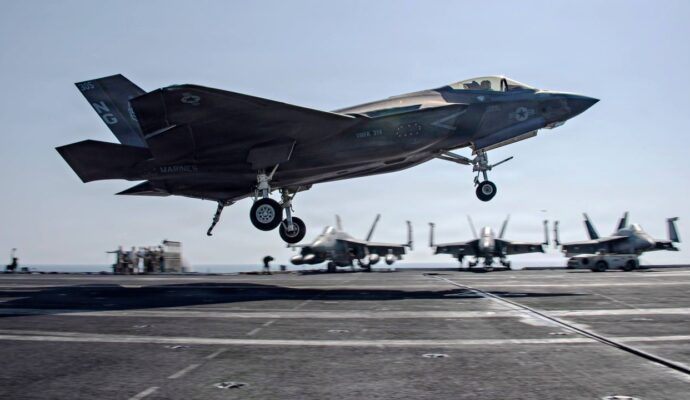
Yet events at sea that week told a different story. US-Philippine joint patrols operated near Scarborough Shoal, followed by Chinese patrols. As both capitals seek to shape the narrative, space for quiet de-escalation is shrinking.

In some ways, this two-track dynamic offers Beijing and Manila flexibility. Diplomats point to dialogue as evidence of responsible statecraft. Security establishments show resolve without triggering escalation. Domestic audiences see their government standing firm.

Advertisement

China and Japan have managed something similar for years around the Diaoyu Islands – regular military encounters and parallel diplomatic engagement. Tensions have flared but ties were not ruptured. However, several dynamics are stress testing this model in ways the East China Sea never has.

South China Morning Post

Related posts

Leave a Comment