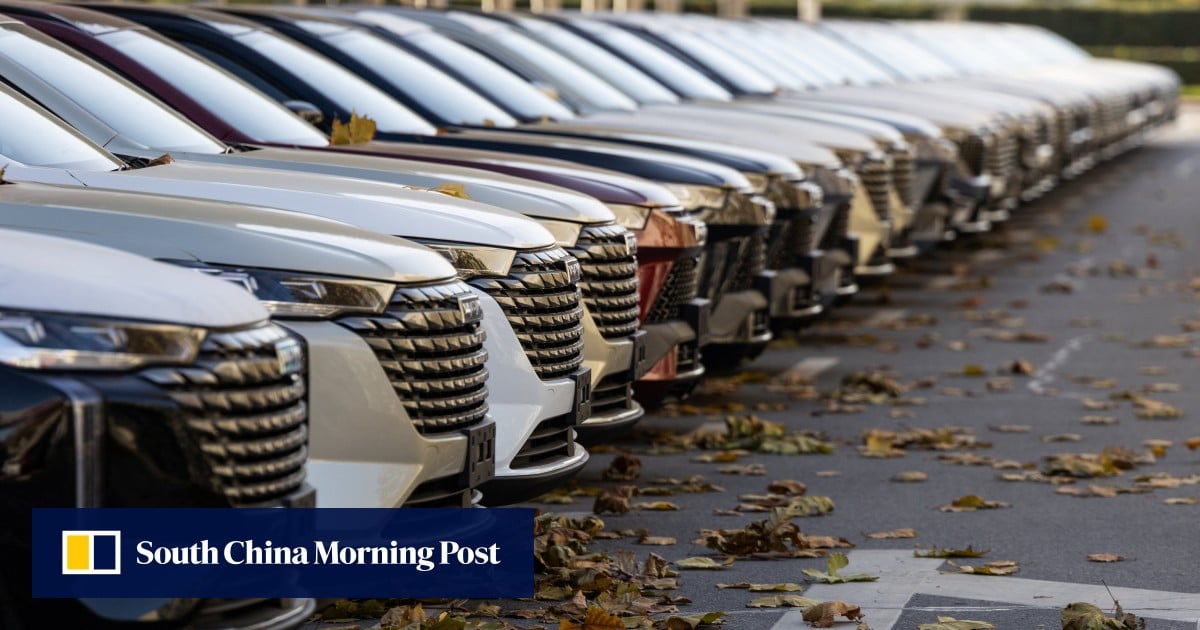
China has banned carmakers from selling new vehicles for less than it costs to make them, including through discounts and subsidies, as regulators continue trying to smother a persistent price war that has sent hopes of profitability up in smoke for most producers.
In “pricing guidance” released on Thursday, the State Administration for Market Regulation (SAMR) listed a series of tactics that would result in below-cost pricing for new vehicles, warning that carmakers using any of them would face material legal risks.
Under the new requirements, effective immediately, vehicle manufacturers are banned from selling upgraded models at the same price as lower-grade models and are not allowed to offer any discounts or subsidies that effectively bring net prices below cost.
Advertisement
Chinese carmakers have widely used such practices as alternatives to the direct price cuts that swept the market in 2024, after policymakers and regulators repeatedly called for an end to the price war last year as the economy faced deflationary conditions.
“The new guidelines will dampen consumers’ buying interest in cars this year with falling deliveries due to the phase-out of the sales-tax break,” said Zhao Zhen, a sales director at Shanghai dealer Wan Zhuo Auto. “The government is urging carmakers not to blindly pursue sales volume at the expense of profitability.”
Advertisement
EV buyers, who were exempt from a 10 per cent purchase tax last year, are now subject to a 5 per cent tax as Beijing gradually phases out the tax incentive. In 2028, the purchase tax will return to the normal 10 per cent.
Would-be car buyers were expecting major auto brands to offer steep discounts in 2026 to offset the declining government support, Zhao said. But many of them could cancel their buying plans or choose cheaper models now that the regulator was stepping up policing of price competition, she added.