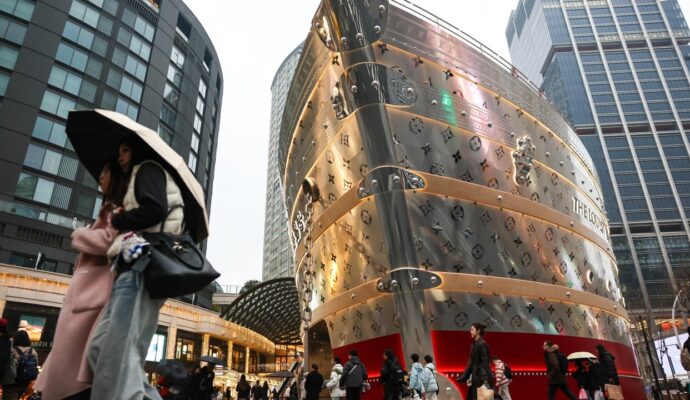
The phrase has been popularised over the past year by influencers on TikTok and Instagram who post themselves performing stereotypically Chinese activities.
Advertisement
This has been partly shaped by political fatigue and polarisation in the United States, according to observers. However, some cautioned that it was unlikely to translate into a sustained change in attitudes towards China as a nation-state.
Shaoyu Yuan, an expert on soft power at New York University, said the trend reflected a broader transformation in how people experienced China online: not through official messaging or political headlines, but increasingly through entertainment, food and lifestyle routines.
Advertisement
He said this exposure made “Chineseness” feel familiar rather than foreign, and the perception of the trend as “authentic and playful” rather than forced was helpful for building soft power.