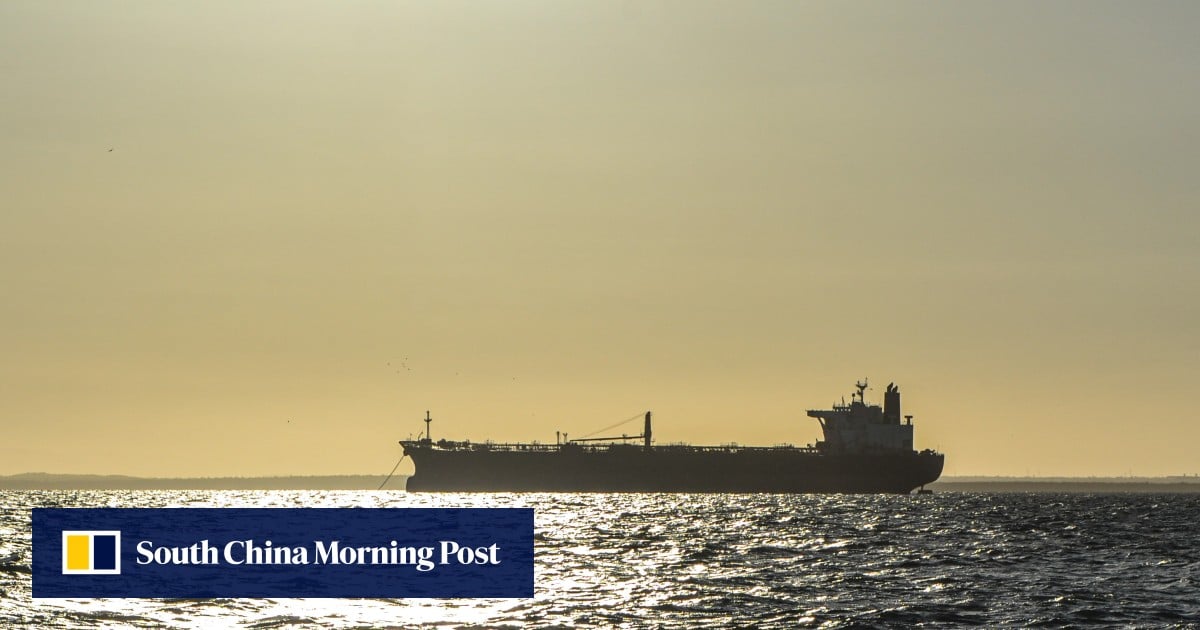
China’s discounted crude purchases are coming under strain as the United States tightens its stance on Iran and Venezuela, with analysts warning that more refineries may have to turn to higher-priced barrels from Canada, Brazil and the Middle East.
The world’s second-largest economy is also accelerating its shift to electric vehicles and ramping up domestic fossil fuel production to help narrow its oil supply gap, while maintaining strategic reserves to mitigate any potential disruption.
Advertisement
Washington issued general licences last week allowing American firms to trade Venezuelan crude, but Chinese, Russian and Iranian entities remain barred from doing so under US sanctions.
Advertisement
But industry data suggests there are significant off-the-books flows: according to trade intelligence firm Kpler, Iran shipped 1.38 million barrels of crude per day to Chinese buyers in 2025, which the firm calculated would account for around 13 per cent of China’s total seaborne volumes, down from 14.5 per cent the previous year. Venezuelan oil accounted for less than 4 per cent in both years.