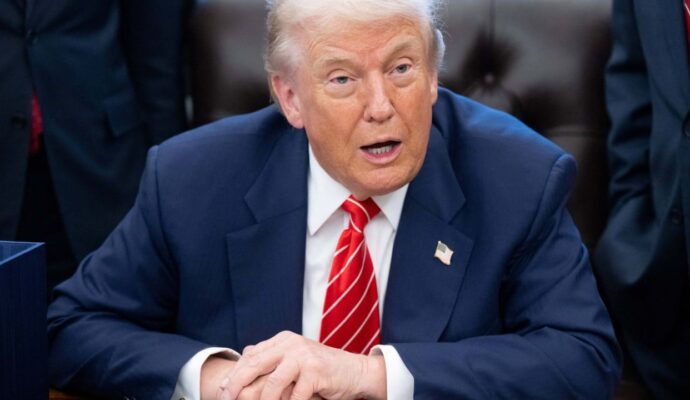
Sir Keir Starmer is only one of the middle power leaders trekking to Beijing to renew relations. No one has forgotten China’s increasing international forcefulness, its handling of the pandemic and its closer relations with Russia as war engulfed Ukraine. But the wildness of Donald Trump’s first year back in power is spurring Canada, France and others to hedge their bets. This, not whisky tariff cuts, is what the British prime minister sought. Mr Trump called the move “dangerous”, but threatens allies and describes Xi Jinping as a “friend”. Set beside this administration, Beijing looks no more benevolent but does appear relatively predictable.
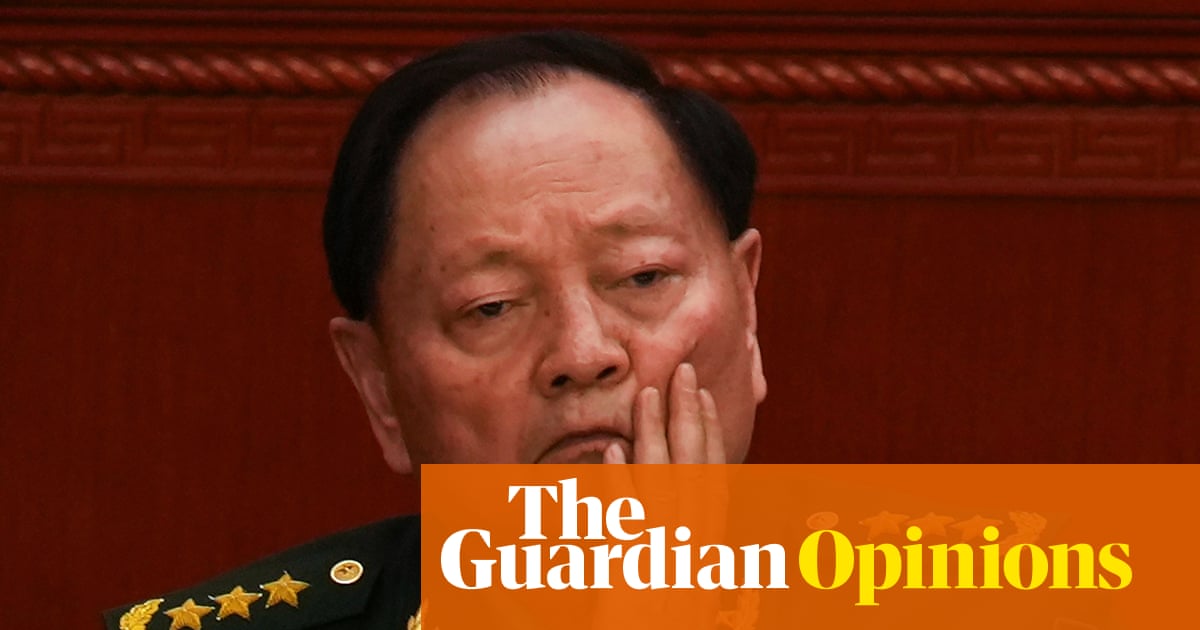
Yet the important news from Beijing in recent days was not Sir Keir’s visit but the news that Xi Jinping had purged its top general, Zhang Youxia. No one is too mighty to be ousted in a system which, while stable, looks increasingly like a “party of one”. The Chinese leader’s campaign has whittled the Central Military Commission, the top military body, from seven figures to just Mr Xi himself and the armed forces’ anti-corruption chief. He had already toppled officials at all levels of the party, including potential heirs, brushed aside term limits and fostered a personality cult. Now he is completely overhauling the People’s Liberation Army.
Corruption in China had reached an astounding level when he took power. Graft in the PLA – including paying for promotion and skimming in procurement – appears both particularly entrenched and particularly risky. This may well help to explain the removal of rocket force commanders, overseeing China’s nuclear and conventional missiles, in 2023. But Chinese media say Mr Zhang and Liu Zhenli, another top military leader, “seriously trampled on and undermined the system of ultimate responsibility resting with the CMC chairman”: Mr Xi. As so often, the real offence was political. Yet Mr Xi has again removed his own appointees. It seems less likely that they were manoeuvring against him than that they misread his wishes, or were seen as acting with insufficient zeal.
One concern is that PLA turmoil makes basic relations and understanding between it and the US military harder. Direct military-to-military channels – cut off by China in 2022 – have yet to be restored, though the US says there is agreement to do so. While attention has focused on Chinese intentions towards Taiwan, a greater danger may be an unanticipated event, like the 2001 crisis when a US spy plane and Chinese fighter jet collided: the means of deconfliction and de-escalation are essential.
The broader worry is the thinning out or silencing of knowledge and expertise – Mr Zhang had rare combat experience, having fought in Vietnam, and he impressed US counterparts when he visited. Some fear that military overconfidence and misunderstandings are the likely result.
When strongmen are surrounded by sycophants and the scared, the risks to everyone grow. Mr Trump is a democratically elected leader constrained by the legislature and judiciary and held accountable by a free media – but attacks any check upon his power and follows advice only when it suits him. In his first term, he was challenged from within his administration; now it looks like a court. Yet still he must face dissent. Who in China would dare to use initiative – let alone differ with Mr Xi – when a highly experienced, well-connected fellow “princeling” repeatedly promoted by him has fallen so dramatically? Who would dare even to bear unwelcome truths?
Do you have an opinion on the issues raised in this article? If you would like to submit a response of up to 300 words by email to be considered for publication in our letters section, please click here.