A US immigration judge has granted asylum to a Chinese national who he said had a “well founded fear” of persecution if sent back to China after exposing alleged human rights abuses against Uyghurs there.
Guan Heng applied for asylum after arriving in the US illegally in 2021. He has been in custody since being swept up in an immigration enforcement operation in August last year as part of a mass deportation campaign by the Trump administration.
The Department of Homeland Security (DHS) initially sought to deport Guan to Uganda but dropped the plan in December after his plight raised public concerns and attracted attention on Capitol Hill.
The ruling is an increasingly rare successful outcome for an asylum seeker since Donald Trump returned to office. The asylum approval rate dropped to 10% in 2025, down from 28% between 2010 and 2024, according to federal data compiled by US non-profit Mobile Pathways.
Guan, however, was not immediately released because the lawyer for the DHS said the department reserved the right to appeal. It has 30 days to do so, but Ouslander urged DHS to make its decision soon, noting that Guan has already been detained for about five months.
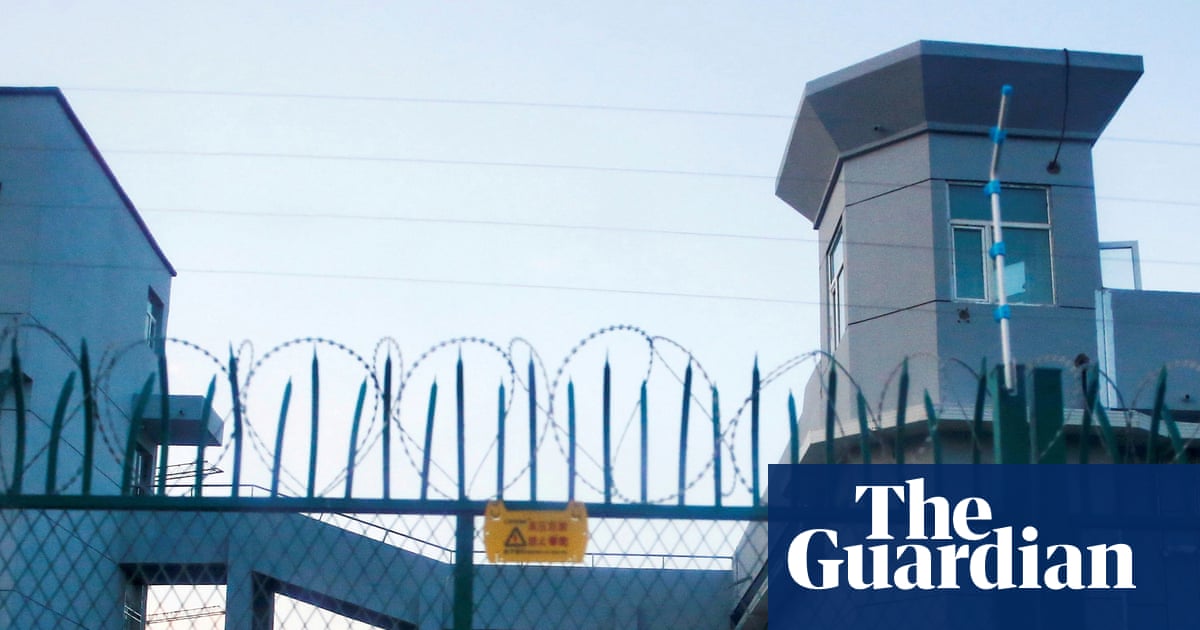
In 2020 Guan secretly filmed detention facilities in Xinjiang , adding to a body of evidence of what activists say are widespread rights abuses in the Chinese region, where as many as a million members of ethnic minorities, especially Uyghurs, have been locked up.
During Wednesday’s hearing in Napanoch, New York, Guan was asked if his intention in filming the detention facilities and then releasing the video a few days before arriving in the US was to give him grounds to apply for asylum. He said that was not his goal.
“I sympathised with the Uyghurs who were persecuted,” Guan told the court through a translator, via video link from the Broome county correctional facility.
Guan knew he had to leave China if he wanted to publish the footage, he told the Associated Press in a recent interview. He went first to Hong Kong and from there to Ecuador, where Chinese tourists could travel without a visa, and then to the Bahamas. He released most of his video footage on YouTube before taking a boat to Florida in October 2021.
Guan told the judge he didn’t know whether he would survive the boat trip and wanted to make sure the footage would be seen. After the video was released, police in China questioned his father three times, Guan said.
The Chinese government has denied allegations of rights abuses in Xinjiang, saying it runs vocational training programs to help local residents learn employable skills while rooting out radical thoughts, and has silenced dissenting views through a range of coercive means.
Guan’s lawyer, Chen Chuangchuang, said in his closing statement that the case was a “textbook example of why asylum should exist” and that the US had both a “moral and legal responsibility” to grant Guan asylum.
In making his ruling, judge Charles Ouslander told Guan the court found him to be a credible witness and that he had established his legal eligibility for asylum.
He said Guan was right to fear retaliation if sent back, noting that the Chinese government had questioned his family and inquired about Guan’s whereabouts and his past activities.