This month, when China’s State Administration of Science, Technology and Industry for National Defence released a list of top 10 defence industry news items for 2025, it shed light on a home-grown aviation success story.
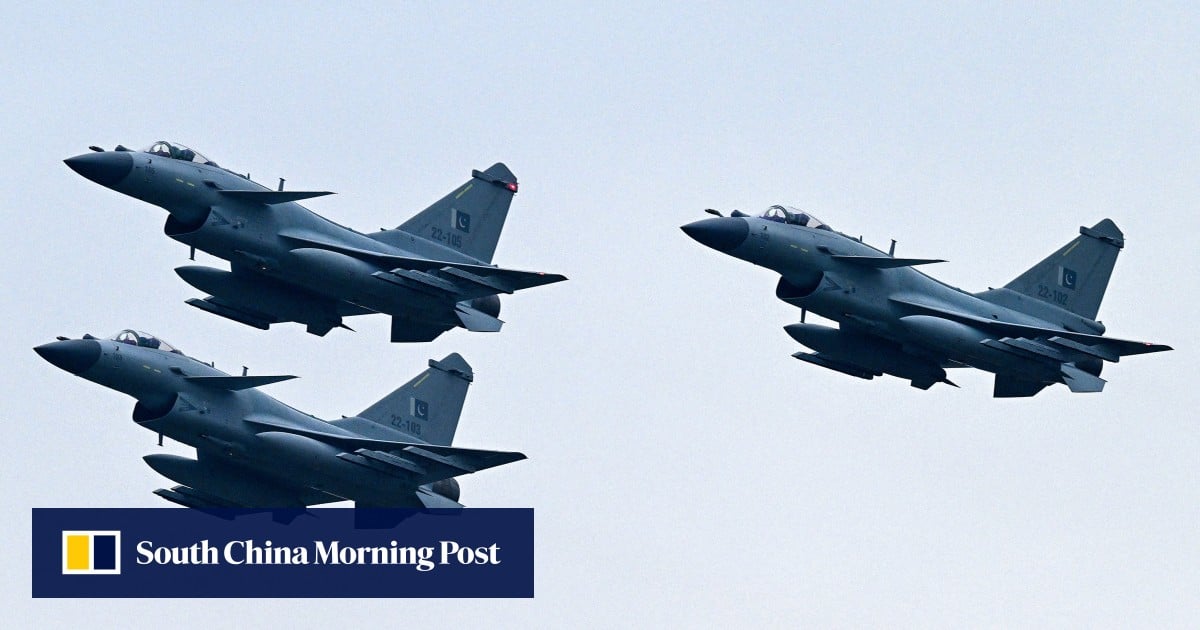
The inclusion of the Chinese-made J-10CE and its PL-15 missile marked Beijing’s first official confirmation that the fighter jet had engaged in combat. Last May, the J-10CE – deployed by the Pakistan Air Force and armed with PL-15E missiles – was credited with bringing down Indian Air Force Rafale jets during a brief conflict between the two countries.
The PL-15E is an export variant of the PL-15, a fourth-generation Chinese beyond-visual-range air-to-air missile.
Advertisement
Its extensive range, integrated with early warning systems, allows operators to engage targets from afar and secure the first strike in combat.
Beijing’s spotlighting of the J-10CE and PL-15 signalled a high-profile endorsement of its technology over leading Western alternatives. And behind the success stands a pivotal figure and his team who adhered to a “711” schedule – working 11 hours a day, seven days a week.
Fan Huitao, a member of both the Chinese Academy of Engineering and the Russian Academy of Engineering, has driven China’s air-to-air missile development from the second to the fourth generation.