“I feel more optimistic for this year,” said Teagan Pollard, an IT expert with TP Industries, which sells vaping equipment from China. “The economy and tariffs have been rough. But something’s got to break, hopefully in the right direction.”
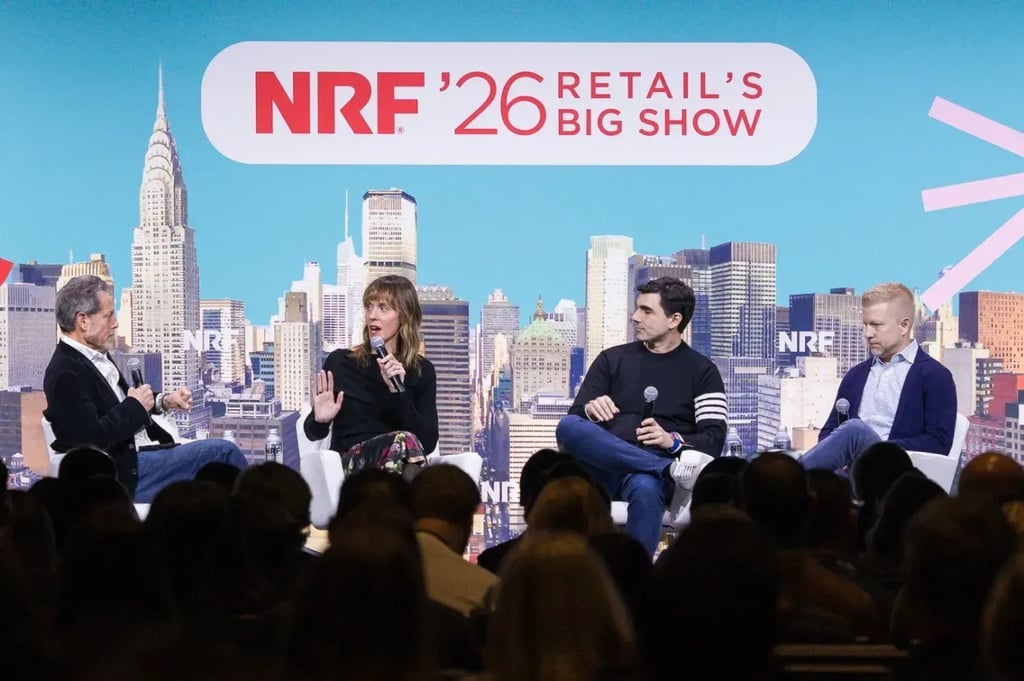
The National Retail Federation (NRF) showcase event, held in this nation of shopaholics, saw some 42,000 attendees descend on a space equivalent to five football fields, as corporate booths competed for attention with wine bars, talking robots, couches and extra thick carpeting for clients’ sore feet.
Advertisement
“Since the beginning of 2025, people were apprehensive about the way tariffs would play out,” said John Martin, a consultant with supply-chain software company Infios. “In 2026, people have changed their supply chains. So there’s less apprehension.”
That has put a spotlight on the American consumer, which chugs along through thick and thin, the secret sauce powering the world’s largest economy.
Household consumption accounts for two-thirds of America’s US$31 trillion economy dominated by citizens who gleefully spend every last dollar – and often more – thanks to easy credit. That has left US savings rates currently at around 4 per cent, a 20-year low, driven by high interest rates and inflation.