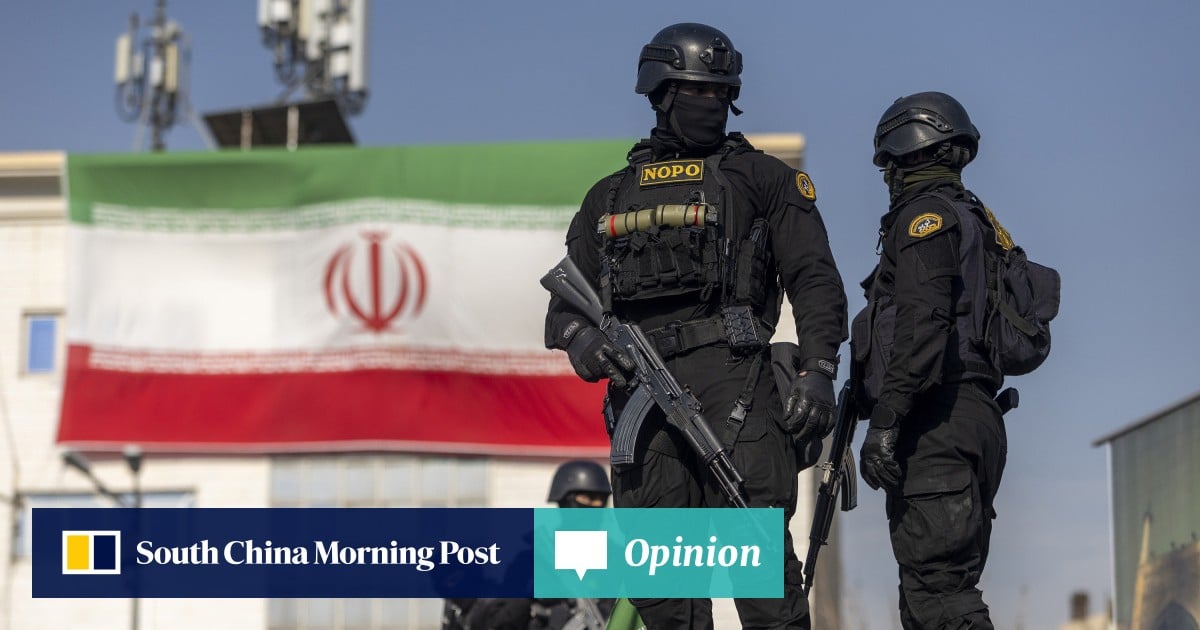
Iran’s streets have once again become a site of uncertainty, but this time the tremors extend far beyond its borders. Unrest that began in late December spread across multiple provinces and continued into January. It was met with a level of repression that has only deepened public anger.
What sets this moment apart is not just the scale of repression, but the way sustained instability is beginning to undermine long-held assumptions among Iran’s external partners, especially China.
For years, Beijing approached Iran as a paradox it could manage – a sanctioned and isolated state that is politically durable and strategically useful. China’s policy rested on the belief that Iran, however turbulent internally, remained fundamentally predictable. Domestic unrest was treated as background noise, unlikely to disrupt energy flows, infrastructure projects or diplomatic coordination. That assumption is increasingly difficult to sustain.
Advertisement
Under sanctions, Iran has become economically dependent on China in ways that go beyond a normal partnership. Beijing is no longer simply a major trading partner. It is effectively Iran’s primary economic lifeline. Nowhere is this imbalance clearer than in the energy sector. China absorbs most of Iran’s oil exports, purchasing crude oil under highly discounted and fragile arrangements shaped by sanctions enforcement and political risk. What is often described as cooperation increasingly resembles asymmetry, one that has benefited China significantly.
This dynamic has insulated Beijing from many of the costs associated with dealing with a sanctioned state. Cheap energy, preferential access and limited competition have allowed China to secure long-term advantages. The unrest exposes the vulnerability of this model. Energy security depends not only on supply, but on political continuity. As instability becomes persistent rather than episodic, even discounted oil begins carrying strategic risks.
Advertisement
The protests across Iran reflect a deep exhaustion that cuts across regions, classes and generations. Widespread arrests and lethal force signal a leadership that prioritises survival over adaptation. For China, this creates a dilemma that its traditional posture of non-interference cannot easily resolve.