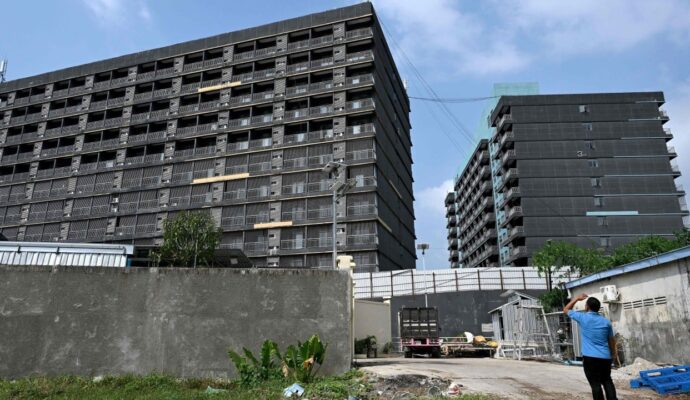
The seizure of enormous cryptocurrency caches in two high-profile criminal cases in China – a former head of the central bank’s digital currency research institute accused of corruption, and an alleged scam centre kingpin linked to about US$15 billion in bitcoin – have sparked questions in the country about the safety and future of virtual money.
But analysts said the long-term trend for the assets, especially bitcoin, depended on institutional capital, interest rate expectations and the likelihood of the United States’ Digital Asset Market Clarity Act being signed into law this year.
Advertisement
“While Chen is accused of crypto fraud and probably some element of coercion to scam investors, that is a separate issue to bitcoin’s price drop at the start of 2026, which is now at about 30 per cent lower than its all-time high,” said Sanjeev Aaron Williams, a Hong Kong-based lawyer who writes on geopolitical risk and the digital economy.
Advertisement
The trading of crypto assets has been banned for years in mainland China. The Chinese central bank, which has doubled down on efforts to promote the digital yuan, pledged a further crackdown on virtual money in October despite market calls for the introduction of yuan stablecoins.
Hong Kong, however, aims to become a global hub for crypto businesses.