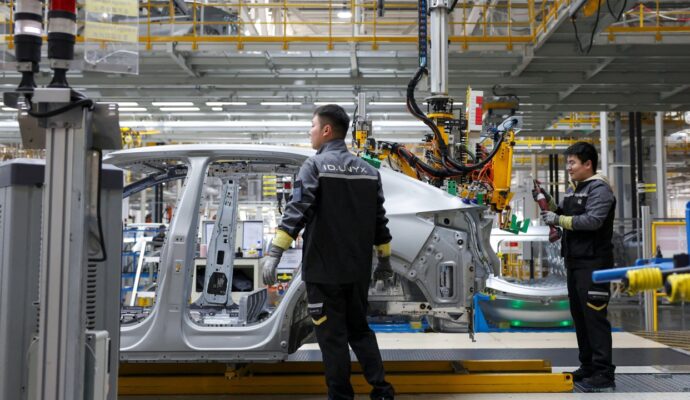
Baoding Tianwei Baobian Electric, which makes transformers, climbed 4.6 per cent to 14.50 yuan in Shanghai and power equipment manufacturer Henan Pinggao Electric jumped 4.8 per cent to 20.83 yuan. Suzhou Electrical Apparatus Science Academy soared 20 per cent to 8.16 yuan in Shenzhen, while Power Construction Corp of China gained 8 per cent to 5.79 yuan. That bucked a decline in the CSI 300 Index, which slipped 0.2 per cent.
Advertisement
The funds would be used to build a “new type of power system”, with targets including adding 200 million kilowatts of renewable energy capacity annually and increasing the share of non-fossil consumption to 25 per cent by 2030, State Grid said. The company oversees electricity usage of 1.1 billion people across 88 per cent of China’s territory.
Main investments would be made in China’s western regions, where there was a surplus of power supply but a shortage of grids that could transmit the energy, according to Huatai Securities.
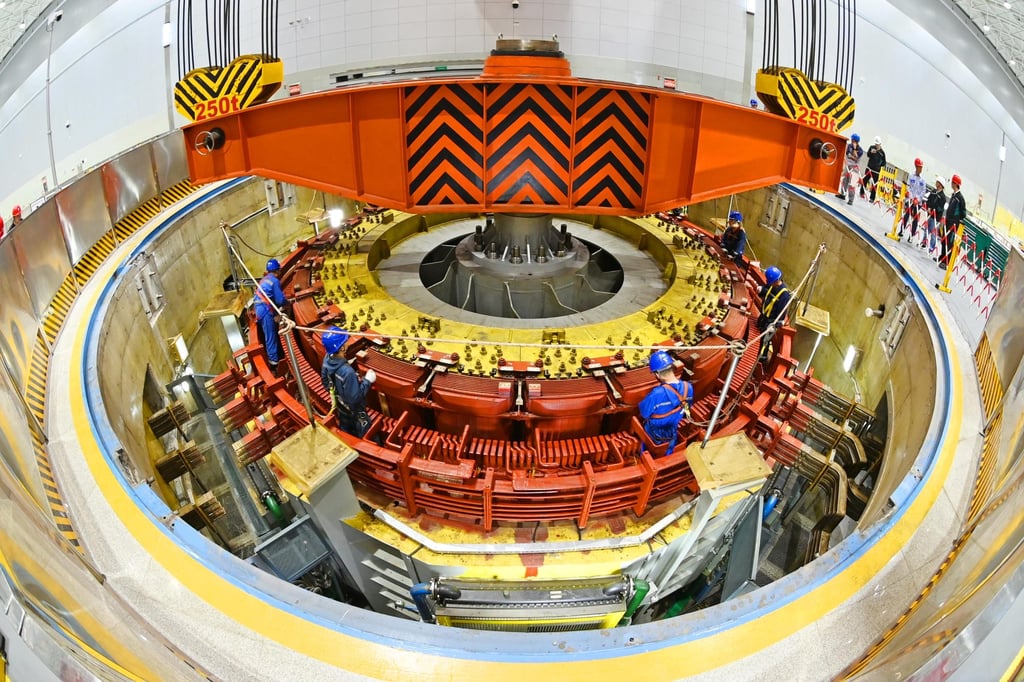
“The investment in non-ultra high voltage grids is expected to accelerate,” said Liu Jun, an analyst at the brokerage. “It’s clear that the weak power grids in the western region need to be upgraded against the backdrop of building a unified national power market.”
Advertisement