Unlock the Editor’s Digest for free
Roula Khalaf, Editor of the FT, selects her favourite stories in this weekly newsletter.
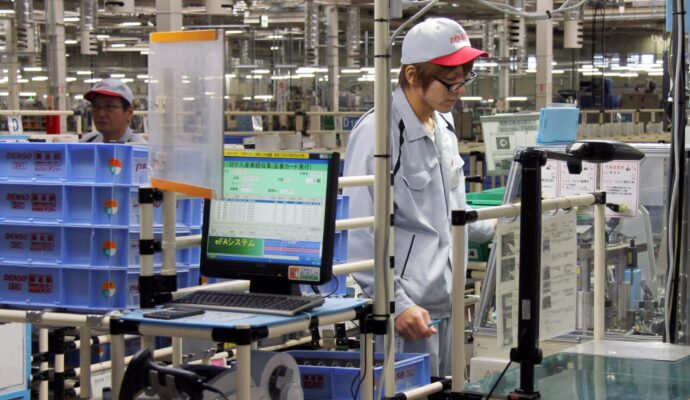
Toyota Motor has raised its offer to buy its biggest subsidiary to ¥5.4tn ($34bn) after activist investors and shareholders accused it of severely underpaying in one of the world’s largest take-private attempts.
The Japanese carmaker on Wednesday said it had raised its offer for Toyota Industries, a crucial engine and component supplier, by 15 per cent to ¥18,800 a share.
Last year, Toyota Motor moved to reshape Japan’s largest business empire through a ¥4.7tn take-private proposal, which has become a test for corporate governance reform in the country. The deal included ¥1bn from chair Akio Toyoda’s personal funds.
The proposal was praised for seeking to unwind cross-shareholdings, which can lead to abuses of minority shareholder rights. But it also provoked intense criticism from investors and corporate governance experts for its low offer and opaque valuation method.
Toyota Industries, which is also the world’s biggest forklift producer, requested a higher offer in December because the likelihood of a successful deal was not “considered high”, according to a regulatory filing.
The filing added that the request was made because of a rise in its share price to above ¥18,000 in the second half of 2025.
Toyota Industries’ board did not recommend the previous proposal to shareholders, but under the renewed offer it recommended investors tender their shares, a process that begins on Thursday and ends on February 12.
Toyoda was not involved “whatsoever” in the renegotiation and Toyota Motor said the deal terms would not “unjustly confer benefits” to the Toyota chair or Toyota Fudosan, a real estate group chaired by Toyoda that is involved in the transaction, the filings added.
The deal had come under pressure from activist investors, including Elliott Management.
The fund had taken a 5 per cent position in Toyota Industries and signalled it could go further and attempt to put together a stake with other investors to block the tender offer, said people familiar with the matter.
Despite the higher price, some analysts suggested the deal still failed to offer fair value for shareholders.
“The book value per share for Toyota Industries at the end of December was likely to be over ¥19,000, but even that could be underplaying the benefits of the deal, in terms of tax, to Toyota Motor,” said Travis Lundy, an independent special situations analyst.
“All told, this needs to be above ¥25,000 to be considered anywhere near fair.”