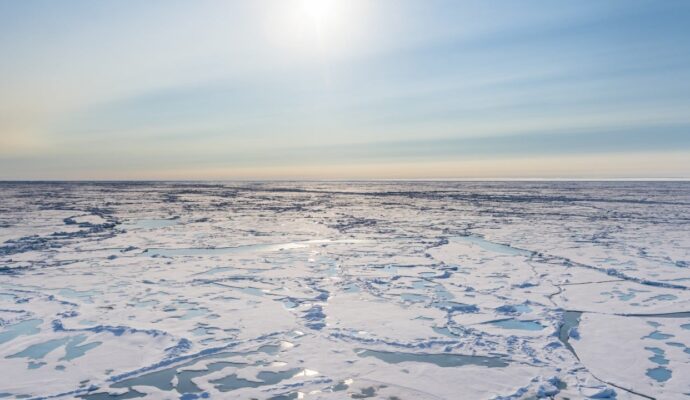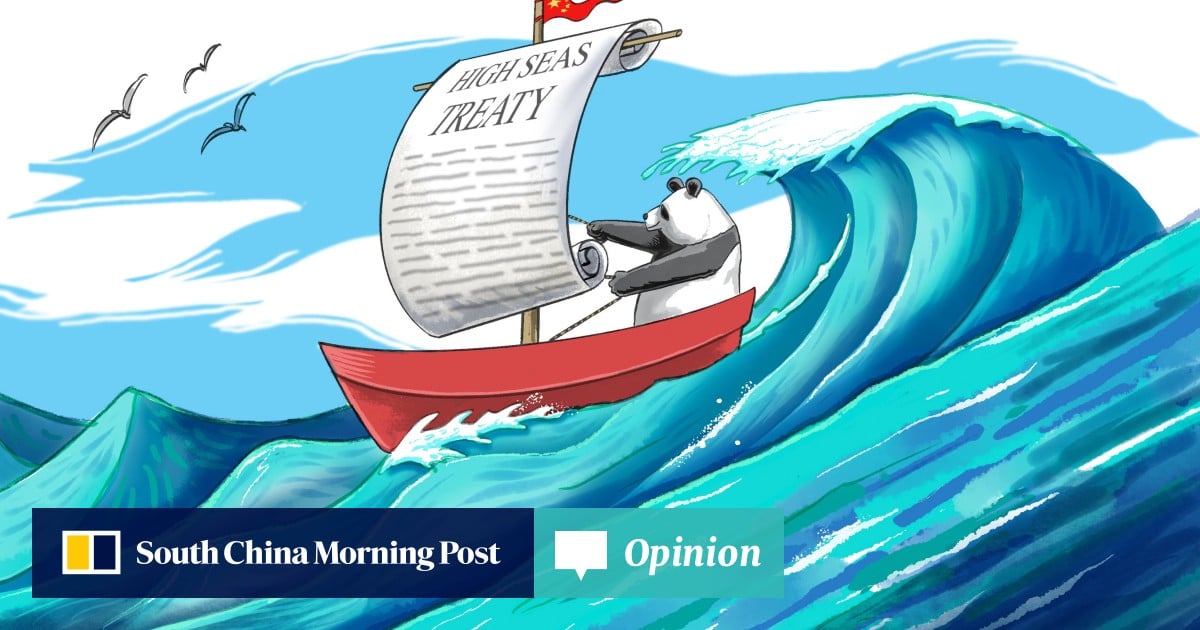
For the first time, activities beyond national jurisdictions – from industrial fishing to deep-sea mining and bio-prospecting – will be subject to environmental impact assessments, marine protected areas and shared scientific oversight.
Signed by 145 nations and ratified by 81 and counting, the treaty represents one of the fastest and broadest mobilisations of multilateral environmental diplomacy in UN history. It reflects a growing global consensus that the high seas – long treated as an open-access frontier – can no longer remain a regulatory vacuum.
Advertisement
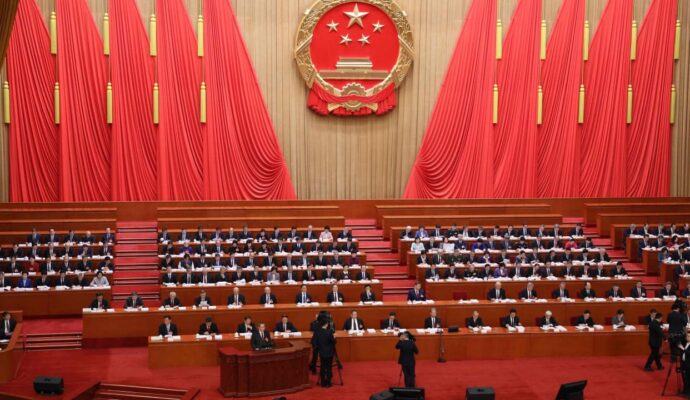
While the treaty is written in the language of conservation, it will have geopolitical consequences, particularly in the Indo-Pacific. China has ratified the agreement and will be bound by its rules from day one. The United States, by contrast, remains outside, having signed but not yet secured Senate approval. That divergence gives Beijing a powerful new diplomatic position at a moment when ocean governance is becoming as strategically important as naval power.
This matters because the ocean is no longer just a theatre for warships and trade. It is now the frontier of food security, climate resilience, genetic science and resource extraction. Who defines the rules for that frontier will shape not only environmental outcomes but political legitimacy.
Advertisement