Stay informed with free updates
Simply sign up to the Trade disputes myFT Digest — delivered directly to your inbox.
Carmakers have found a way to bypass the internal battle at Dutch chipmaker Nexperia to get the vital components flowing again to avoid a global shutdown of automotive plants.
The European and Chinese arms of the company are locked in a fight for control, with a dramatic drop in output of semiconductors that led to auto production lines slowing. The dispute has continued to affect car manufacturing, with Japan’s Honda extending a production halt at its plants in China due to a chip shortage.
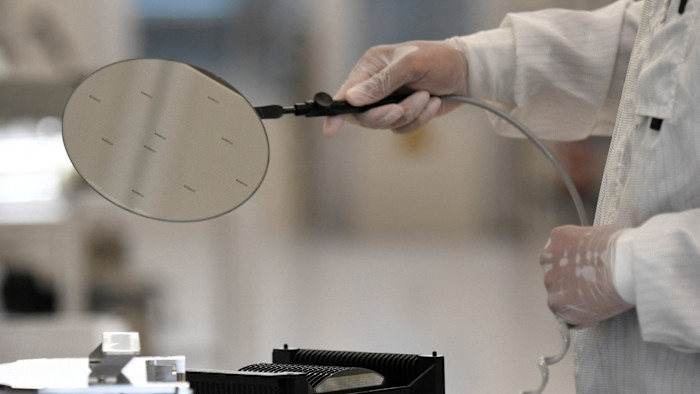
Nexperia makes wafers in Hamburg that are then sent to China for assembly into semiconductors and shipped back to customers in Europe and elsewhere.
But the Hamburg plant is refusing to supply the wafers because of payment disputes and legal fights since the Dutch government seized control of the business in September, ousting its Chinese chief executive and main shareholder.
Several companies are now buying the wafers themselves from the European arm, then shipping them to China via Hong Kong and paying the Chinese unit for the final product, according to two people familiar with the matter.
“We have found a solution where [auto] companies have staff on site who acquire the wafers and arrange for shipment themselves,” said one person.
They said chip production at Nexperia had recovered to around half pre-crisis levels.
While the latest framework has allowed carmakers to secure the necessary supplies for now, automotive executives warned that they still faced a shortage of chips long term. “We’re not out of the woods yet,” one executive at a European carmaker said.
The Chinese unit of Nexperia has used its own stock of wafers to ride out the dispute with the Netherlands while it has also found local suppliers in China to provide the wafers, according to people close to the company.
The Dutch government used a 70-year-old emergency law to take temporary control of the tech group on September 30, saying there was a threat to chip supply in Europe.
Nexperia also obtained a court order to oust its CEO Zhang Xuezheng, also the main shareholder of Chinese owner Wingtech, claiming he was mismanaging the company and moving equipment to China.
Beijing then imposed chip export restrictions which were lifted after talks with the US. But Nexperia’s European arm said it was not being paid for wafers by the Chinese arm and stopped its supplies, leading to a shortage.
Wingtech and Zhang have denied the allegations made against them. The Chinese group aims to seek damages of up to $8bn from the Dutch government over its seizure of control of Nexperia, according to legal filings. Wingtech has alleged that the Dutch government action was “tantamount to a full expropriation of their investment”.
The Amsterdam court of appeal will hold a hearing on Wednesday to determine whether there is a need for an investigation into Nexperia, Zhang and Wingtech, and whether the Dutch government’s intervention into the company should continue.
Additional reporting by Harry Dempsey in Tokyo