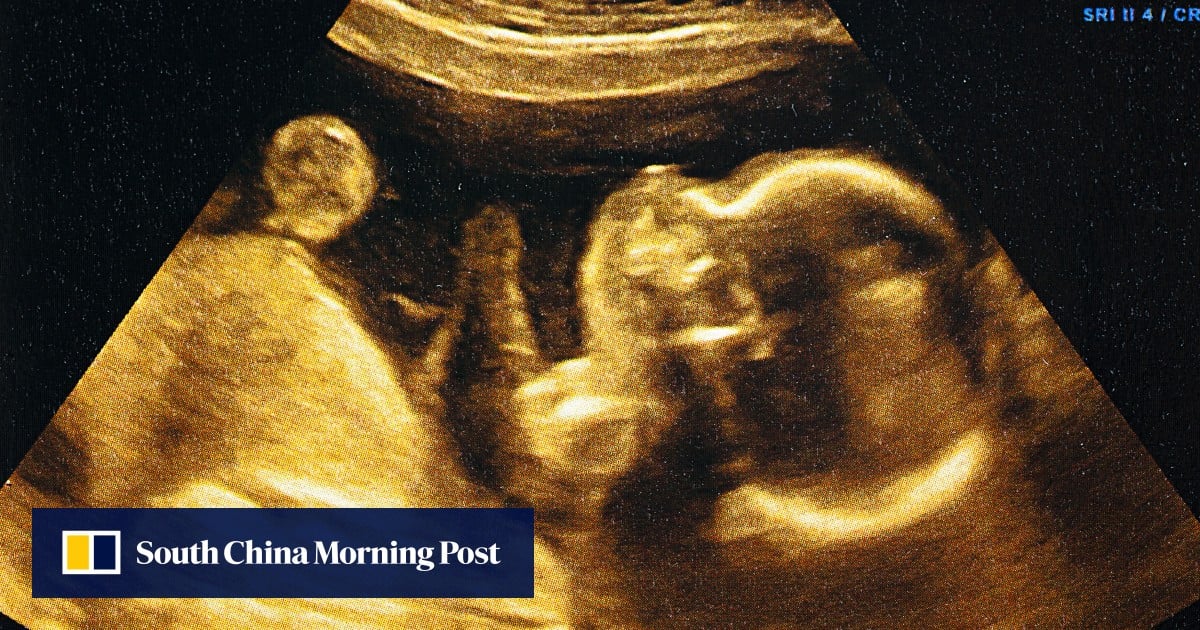
A China-led team has built the world’s first mini-womb on a chip that can fully replicate the “invasion” of human embryos in the uterus during early pregnancy.
The team led by researchers from the Chinese Academy of Sciences Institute of Zoology said that while achieving a better understanding of human implantation was “crucial”, it was challenged by ethical constraints and limited access to human embryos.
Advertisement
“To overcome this, we developed a 3D in-chip implantation model using human blastoids or blastocysts co-cultured with a bioengineered human endometrial tissue, termed endometrioid,” the team said in a paper published in the peer-reviewed journal Cell on December 23.
“This system successfully recapitulates key events of human implantation and early post-implantation development,” the team, which included researchers from universities and medical centres in China and the United States, said.
Advertisement
Blastocysts are five to six-day-old embryos that consist of 100 to 200 rapidly dividing cells, including an outer cell mass that will implant into the uterus to develop into the placenta and an inner cell mass that will eventually form the baby.