South Korean President Lee Jae Myung, who took office last June, has sought to follow treaty ally Washington’s new national security strategy, which urges Indo-Pacific allies to increase their input into collective defence within the first island chain.
Advertisement
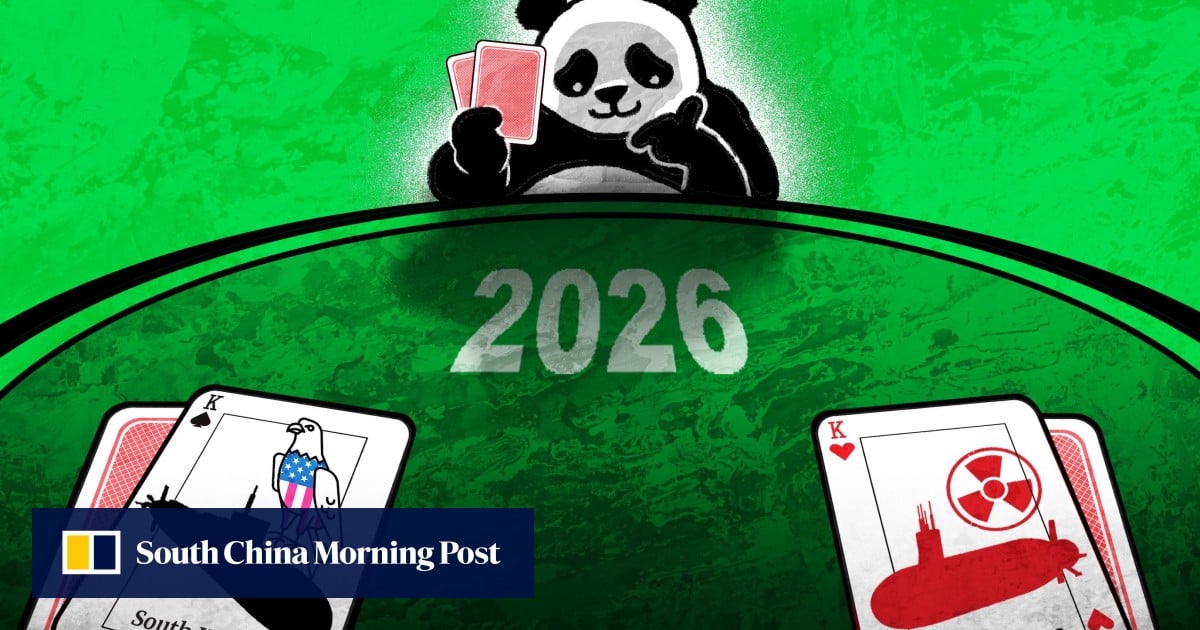
It has led to South Korea ramping up its advanced capabilities, including gaining US President Donald Trump’s approval to build nuclear-powered submarines and attempting to “modernise” the alliance with the US, which would see more investment flowing into the country for conventional defences against the North.
Meanwhile, ties between Beijing and Pyongyang have thawed, highlighted by North Korean leader Kim Jong-un’s first visit to China in six years for the military parade in Tiananmen Square in September.
Advertisement
Relations had been strained by Pyongyang’s nuclear and missile tests, which Beijing viewed as destabilising, as well as Kim’s growing military ties with Russia, challenging traditional Chinese influence.