President Donald Trump’s reluctance to authorise direct military intervention in Venezuela underscored the US dilemma of how to reassert dominance in its traditional sphere while managing escalation risks in multipolar rivalry with China and Russia, observers said.
But they cautioned against seeing US hesitation as weakness, noting intensified sanctions, naval blockades and diplomatic pressure from Washington, alongside a recalibrated strategy to sustain influence without overcommitment against China’s growing economic footprint in Latin America.
The Trump administration has pursued a “maximum pressure” campaign against Venezuelan President Nicolas Maduro under “Operation Southern Spear”, framed as a crackdown on drug trafficking and what Washington has labelled a “foreign terrorist organisation regime”.
Advertisement
More than a dozen US warships and some 15,000 troops have been deployed across the Caribbean. While the White House insisted military options remained on the table, its primary focus had been sanctions “to the maximum extent” to deprive Maduro of resources, US ambassador to the United Nations Mike Waltz told the Security Council on Tuesday.
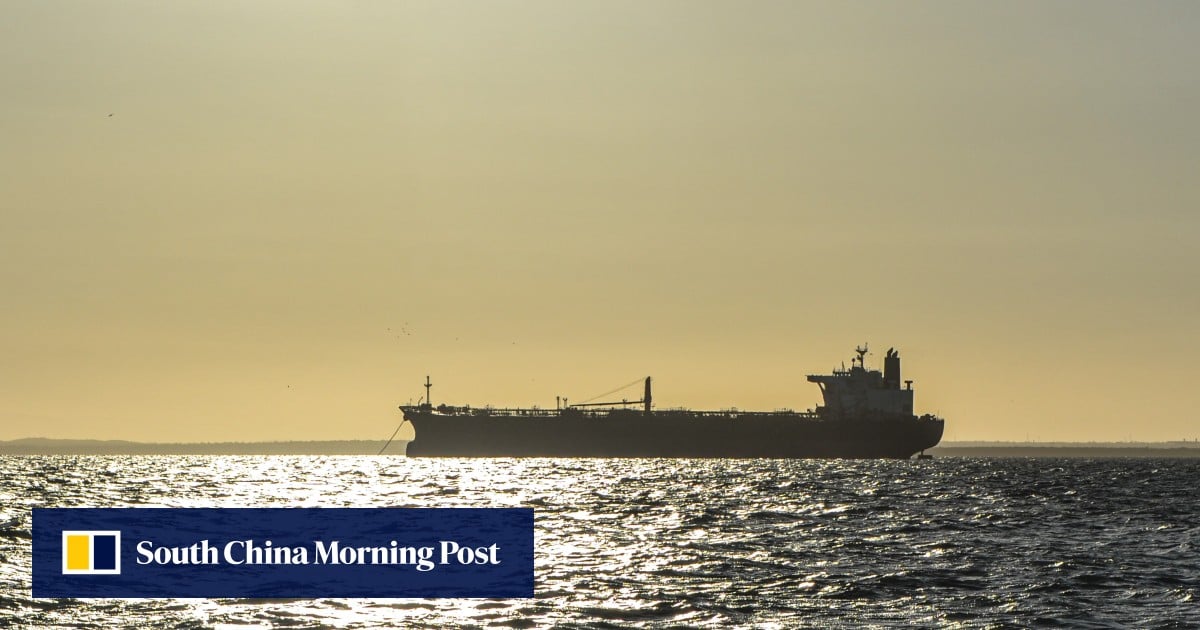
According to Reuters, US forces have been ordered to enforce a “quarantine” on Venezuelan oil for at least the next two months, targeting all sanctioned tankers entering or leaving the country. Trump said on Monday that it would be “smart” for Maduro to step down.
Advertisement
Bloomberg reported that US forces had boarded a non-sanctioned ship known as Centuries, owned by a Hong Kong-based entity, last weekend.
Caracas denies involvement in drug trafficking, arguing that Washington seeks to overthrow Maduro in order to seize Venezuelan oil reserves, the largest in the world.