Chinese spy? Propagandist? Former Confucius Institute director tells his story

When Zeng Jinghan accepted an offer to lead the Confucius Institute at Lancaster University in England in 2018, he already had a plan to write a book. “I thought it would be very interesting if I could write about something that I know a lot about and participate in it personally, like Richard Crossman’s The Diary of a Cabinet Minister,” Zeng said, referring to the British politician’s memoirs published half a century ago. The job did not offer higher pay, and he was still an international studies professor with Lancaster…

Japan official warns on yen’s ‘sudden’ weakness

Unlock the Editor’s Digest for free Roula Khalaf, Editor of the FT, selects her favourite stories in this weekly newsletter. Japanese’s chief currency official warned of “deep concern” over the yen’s weakness as traders weigh the risk of government intervention to arrest its slide. Atsushi Mimura, Japan’s vice-finance minister for international affairs, called the yen’s moves “one-sided [and] sudden” after it weakened more than 1 per cent against the dollar since Friday. The yen steadied on Monday at around ¥157.40 against the dollar on Monday. Against the euro, the yen…

Blackpink for Ayumi? Why China may reward South Korea’s soft stance amid Japan tensions

In a bid to overhaul their economic relationship, China and South Korea are reviving long-stalled trade talks, with an eye on moving beyond factory floors to target the lucrative services sector as geopolitical shifts redraw the region’s alliances. The thaw follows a December 12 agreement between Minister of Commerce Wang Wentao and South Korean Minister of Trade, Industry and Energy Kim Jung-kwan to accelerate negotiations on the second phase of their free-trade agreement (FTA). The push aims to expand cooperation in services, investment and finance after years of stagnation. Advertisement…

Kimchi, made in China: how South Korea’s national dish is being priced out at home

The pungent scent of red chilli powder hangs in the air at Kim Chieun’s kimchi factory in Incheon, about 30km west of Seoul. Inside, salted cabbage soaks in large metal vats in the first stage of a process that Kim has followed for more than 30 years. But watching over the production line has become increasingly fraught. South Korea imports more kimchi than it exports, and the gap has widened as cheaper Chinese-made products take hold in the domestic market. “Kimchi has become a world food from Korea, but this…

FirstFT: Indonesia sends military to help clear forests at rapid pace

This article is an on-site version of our FirstFT newsletter. Subscribers can sign up to our Asia, Europe/Africa or Americas edition to get the newsletter delivered every weekday morning. Explore all of our newsletters here Good morning and welcome back to FirstFT Asia. In today’s newsletter: Indonesia calls in the military to help clear forests Inside Tencent’s deal to use advanced Nvidia chips in Japan Chinese stock rally cools Indonesia is clearing forests at a rapid pace with military assistance in one of its most biodiverse regions for a state-backed…

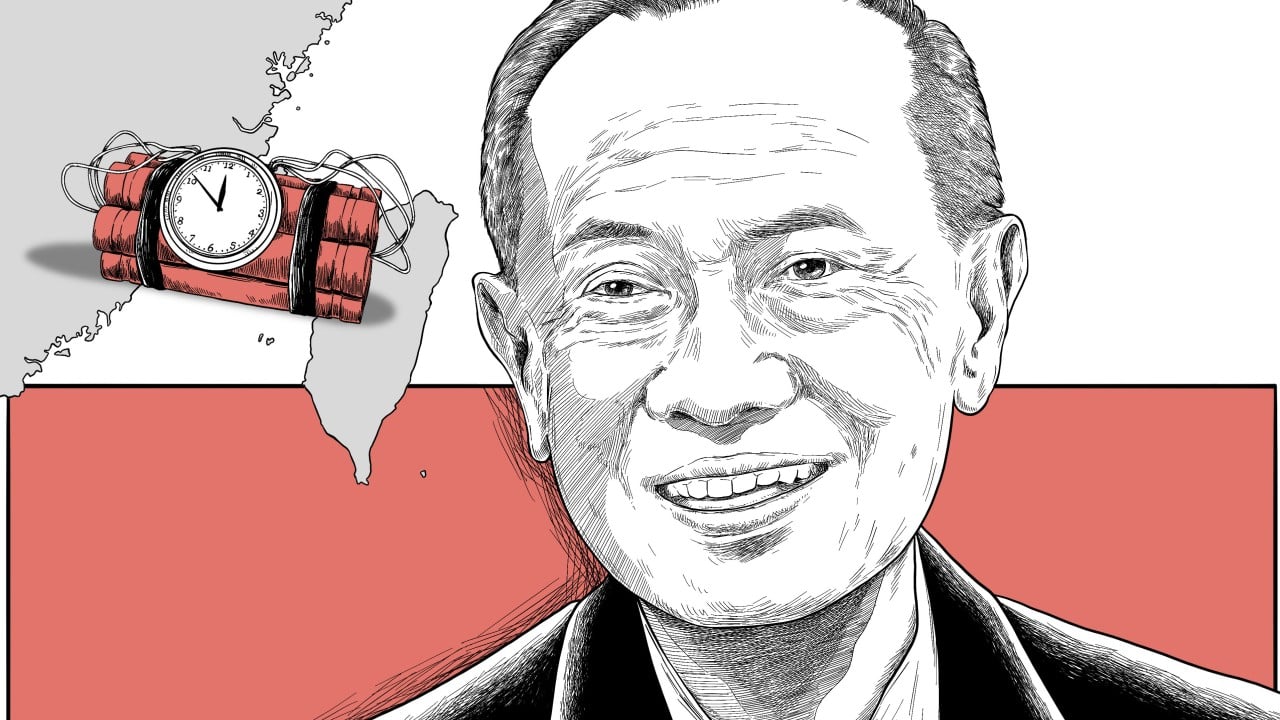
George Yeo on superpower ‘headaches’ and why the US dollar could crack

George Yeo is a visiting scholar at the National University of Singapore’s Lee Kuan Yew School of Public Policy. He started his career in the military before entering politics in 1988. During his 23 years with the Singaporean government, Yeo held ministerial portfolios ranging from arts to health, trade and – for seven years – foreign affairs. After he left politics, Yeo was vice-chairman of Kerry Group in Hong Kong from 2012 to 2021 and chairman and executive director of its logistics arm from 2012 to 2019. Advertisement This interview…

How will US-China ties fare with Trump calling fentanyl a ‘weapon of mass destruction’?

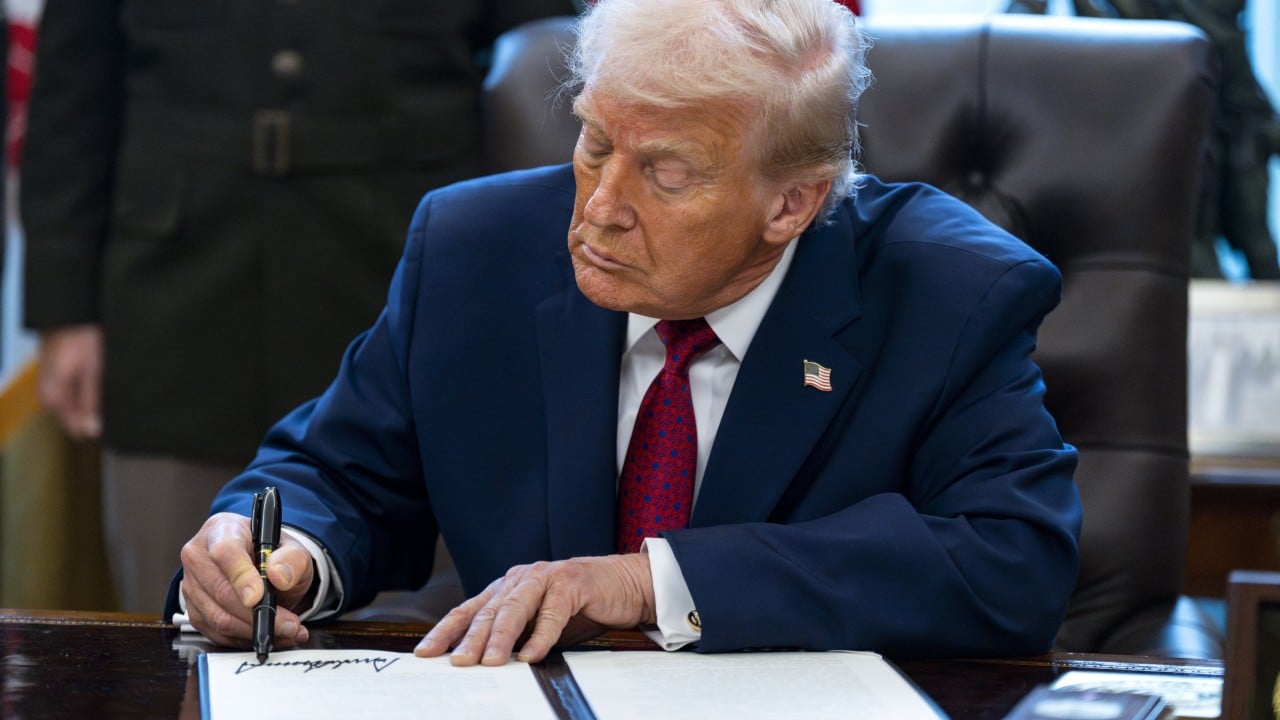
Donald Trump’s move labelling fentanyl a “weapon of mass destruction” is unlikely to disrupt Sino-US relations, but it expands Washington’s China policy toolbox and could inject uncertainty in ties over the long term, according to analysts. On Monday, the American president signed an executive order designating illicit fentanyl, a powerful synthetic opioid, as a weapon of mass destruction, calling the drug “closer to a chemical weapon than a narcotic”. Without naming names, the order highlighted the national security threat posed by drug trafficking networks and cartels. It framed their activities…

Chinese workers return to Africa as lucrative job opportunities beckon

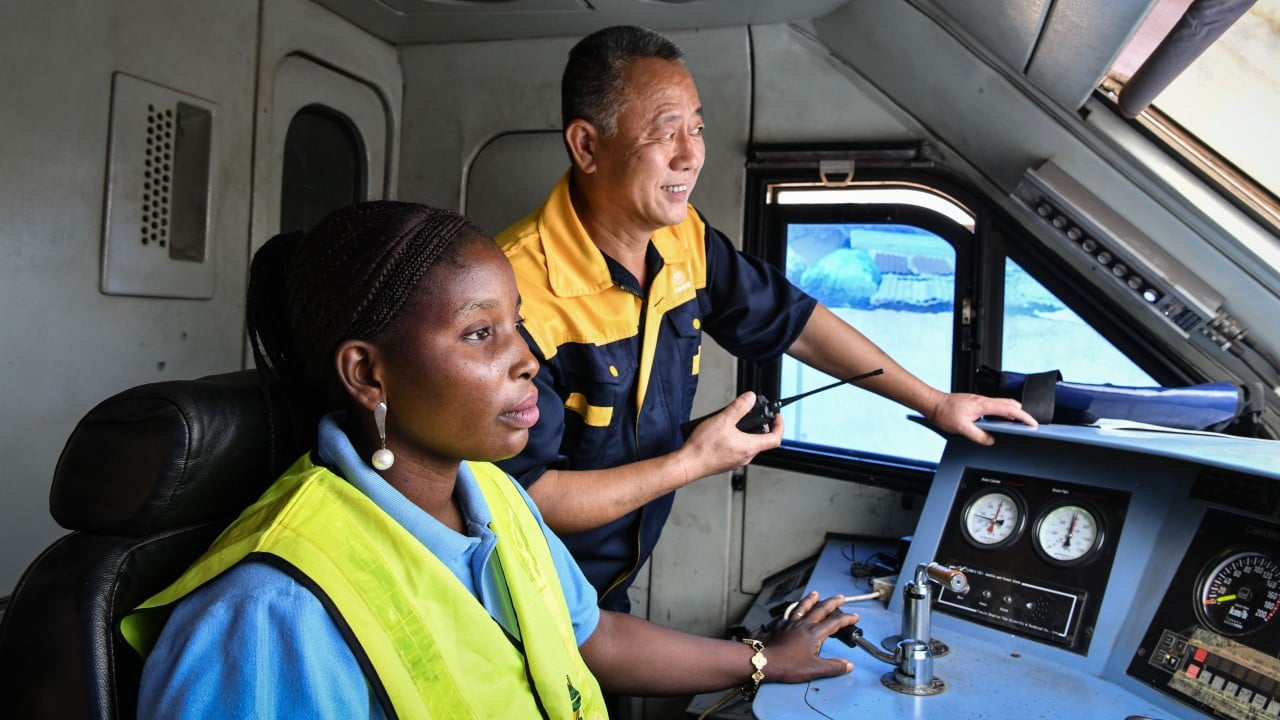
Chinese workers are returning to Africa in their thousands, reversing a decade-long decline and signalling a renewed focus on strategic mega-projects across the continent. In 2024, there were 90,793 Chinese workers on contracted projects and labour services on the continent, an increase of about 4 per cent over the 87,078 recorded the previous year, according to data from the China Africa Research Initiative (CARI) at the Johns Hopkins School of Advanced International Studies. Advertisement Now, as investment flows accelerate, mostly driven by Chinese state-owned enterprises, worker numbers are once again…

J-16s vs Rafales: Chinese air force puts jets to the war-game test

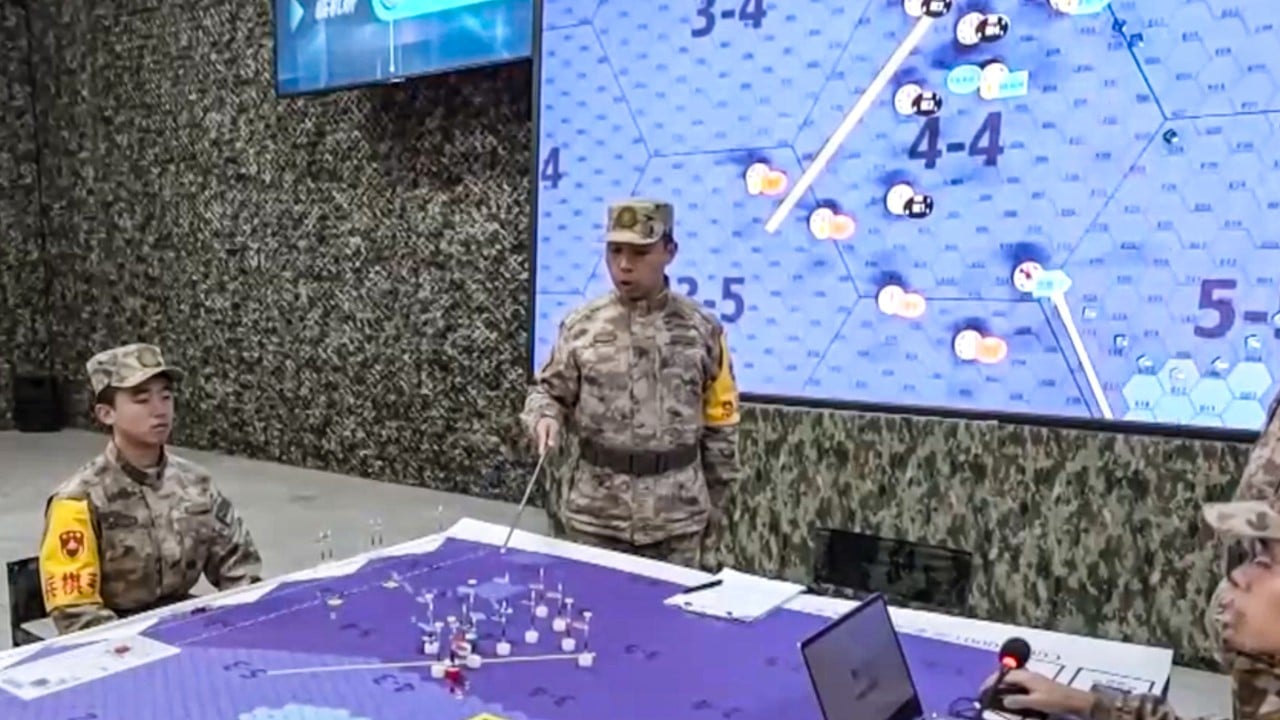
China’s state broadcaster has given a rare glimpse of PLA war gaming, with footage of a simulated encounter between Chinese and French multi-role fighters. The CCTV report on Friday said this year was the first year that the entire People’s Liberation Army and People’s Armed Police Force were promoting pilot war-gaming at scale. Advertisement PLA war games are usually highly classified but the report indicated that this one was among a number that took place in Xuchang, Henan province, at a gathering attended by 20 units from across the military…

Arguing about China’s overcapacity overlooks its drive for clean energy

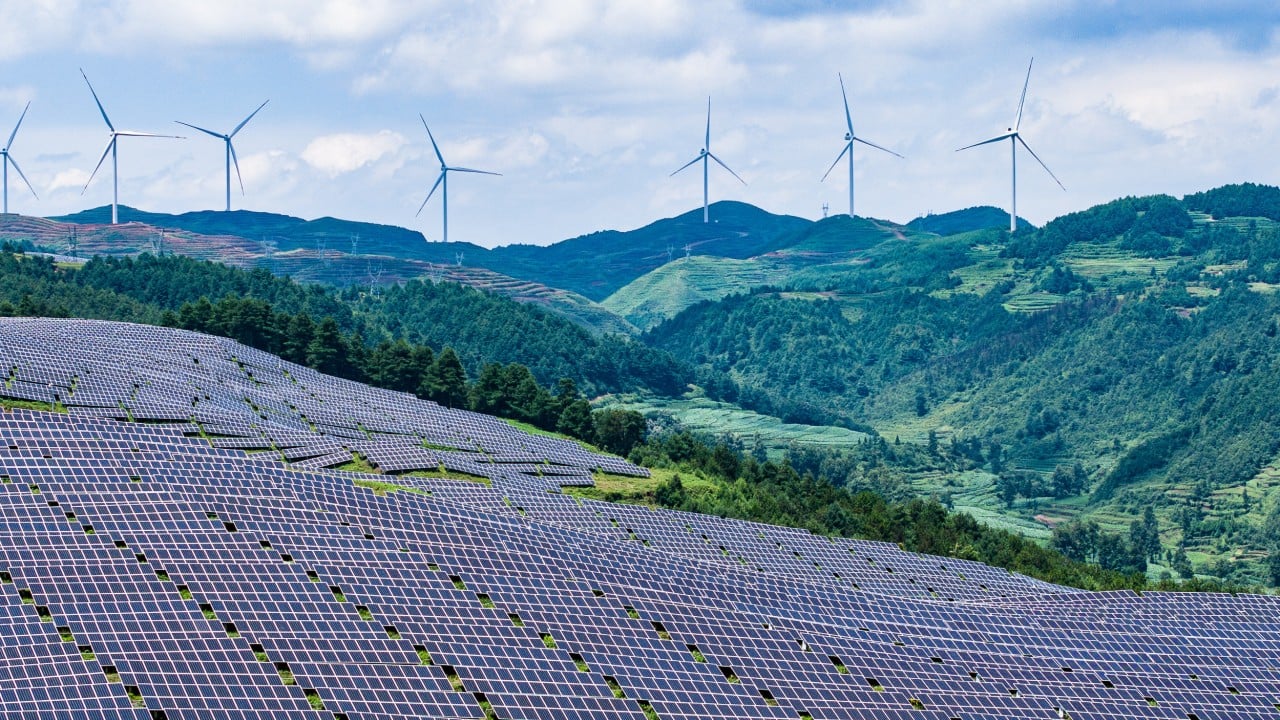
China is often described today as having “overcapacity” in manufacturing. Its dominance in solar panels, batteries and wind equipment, for example, has left many observers baffled. How did a country once dismissed as undeveloped become, within a generation, so technologically developed that its success now unsettles global markets? Part of the answer lies in how we frame China’s development. What is often described as excess capacity is better understood as the outcome of an energy-centred development strategy – one that treats energy as the foundation of modern economic capability. Energy…