In a wide-ranging, two-hour year-end briefing on Friday, Washington’s top diplomat Marco Rubio offered pragmatic remarks on China, signalling a tonal shift in the administration’s approach towards Beijing amid broader “America first” priorities for 2026. While detailing a recalibration of US foreign policy, Rubio’s comments on China marked a notable evolution from both his own legislative history and the rhetoric of the previous administration.
Rubio, the US secretary of state who also serves as US President Donald Trump’s national security adviser, avoided the “pacing threat” label famously used by his predecessor, Antony Blinken. Instead, he emphasised the need for “responsible statecraft” and “mature” management of the bilateral relationship.
Rubio’s remarks pointed to a reordering of US priorities, with Washington signalling greater focus on its own Western hemisphere rather than casting Beijing as the central threat that anchors US foreign policy.
Advertisement
“China is going to be, is, and it will continue to be a rich and powerful country and a factor in geopolitics,” Rubio told reporters in Washington. “Our job is to find opportunities to work together with the Chinese Communist Party and the Chinese government.”
He added: “Both sides are mature enough to recognise that there will be points of tension now and for the foreseeable future. Our job … as part of responsible statecraft is to find opportunities to work together because I think if there’s a global challenge that China and the US can work together.”
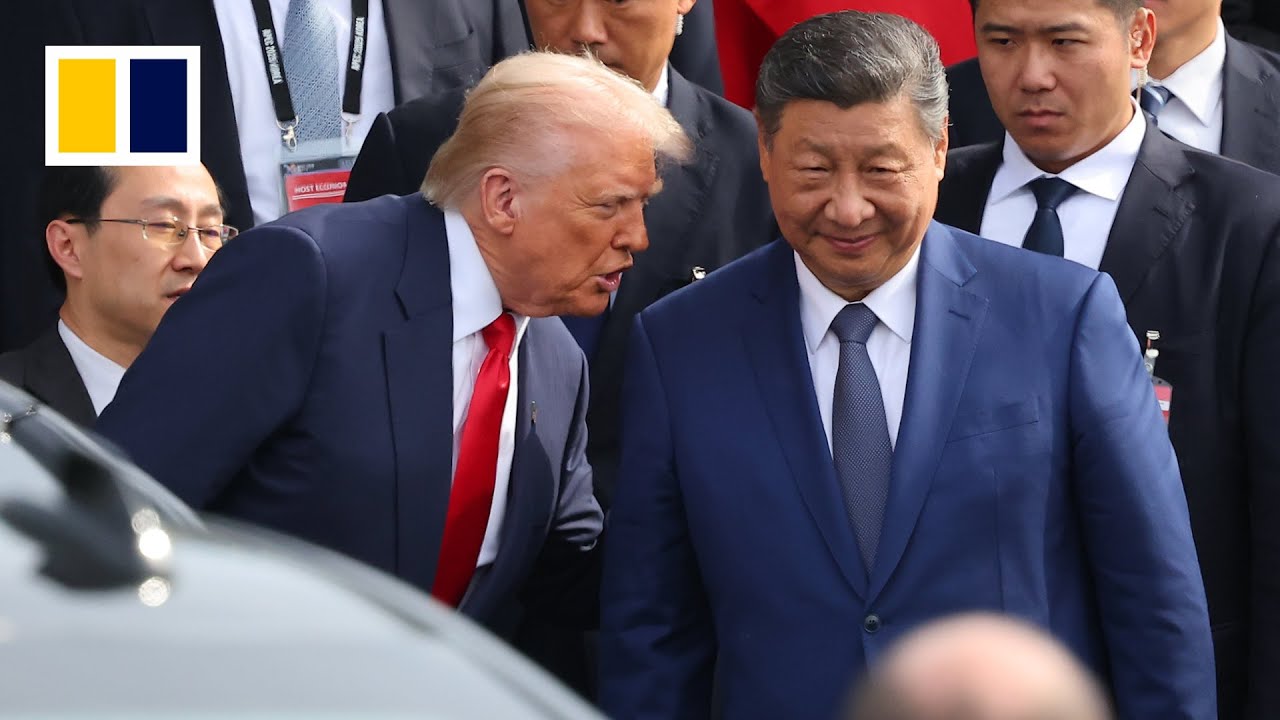
‘We have a deal’: Trump claims breakthrough after ‘12 out of 10’ talks with Xi Jinping
‘We have a deal’: Trump claims breakthrough after ‘12 out of 10’ talks with Xi Jinping