Senior US officials on Monday pushed back against suggestions of American retreat from the Indo-Pacific, declaring that Washington is recalibrating its foreign assistance to more effectively outcompete China in the strategically vital region while maintaining support for allies through targeted aid and security cooperation.
The focus, they said, is shifting away from broad assistance towards targeted partnerships that serve US interests and advance a free and open Indo-Pacific, ranging from critical infrastructure to maritime security, critical minerals and military financing aimed at bolstering regional resilience and countering adversarial influence.
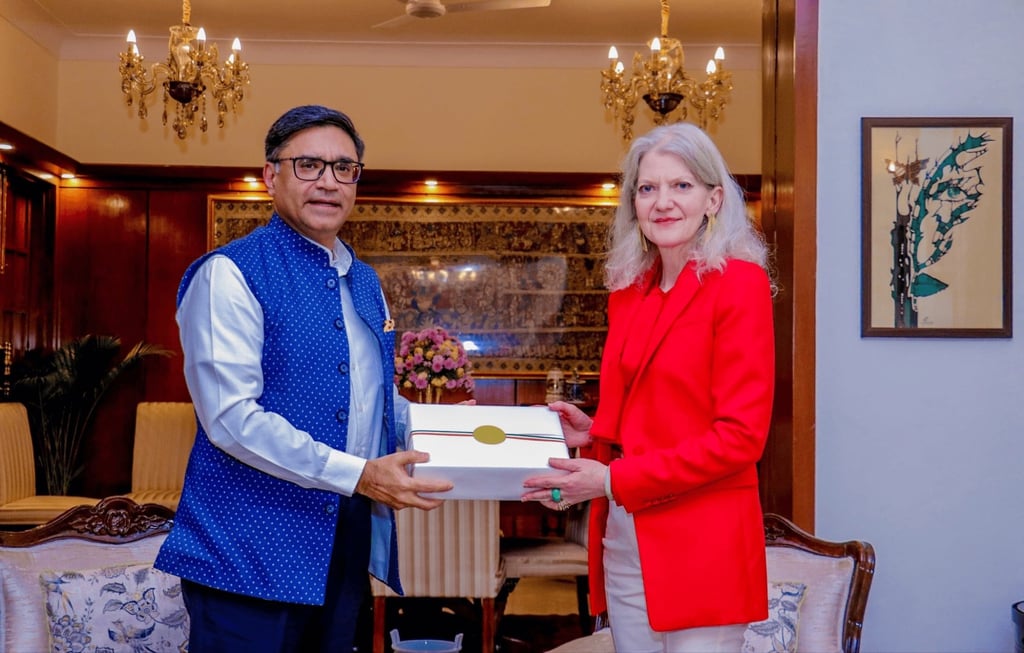
Allison Hooker, US under secretary of state for political affairs, described the administration’s strategy as a recalibration, not a pullback.
Advertisement
“The United States is a Pacific power, and the future of the Indo-Pacific is directly tied to our core national interests,” she said at the inaugural Indo-Pacific Foreign Assistance Conference on Monday, adding that Washington’s commitment to the region remains “unwavering”.
Hooker explained that US foreign assistance is increasingly being deployed as a “force multiplier” to deliver long-term security gains rather than short-term relief. The goal, she said, is to equip countries with tools that strengthen regional peace and security over time.