This article is an on-site version of our FirstFT newsletter. Subscribers can sign up to our Asia, Europe/Africa or Americas edition to get the newsletter delivered every weekday morning. Explore all of our newsletters here
Good morning and welcome back to FirstFT Asia. In today’s newsletter:
The latest on yesterday’s attack in Sydney
Ukraine offers to drop Nato membership demands
The FT’s Person of the Year
We start in Sydney, where police have said the deadly attack on a Jewish community event at Bondi Beach was carried out by a father and son. Here’s the latest on yesterday’s shooting, which Australian authorities are treating as terrorism.
What we know: This morning, New South Wales police commissioner Mal Lanyon said the two gunmen who killed 15 people at a Hanukkah celebration were a father and son, aged 50 and 24. Police said a further 40 people had been hospitalised, including two police officers. Gunmen opened fire at the north end of the beach where the event was taking place. More than 1,000 people were in attendance, according to the police. The shooters took up position on a bridge looking down over a park on the beach before opening fire.
Chris Minns, the premier of New South Wales, said at an earlier press conference that the attack was being treated as terrorism, and that at least one attacker had been killed and another was in custody.
‘An act of evil’: Australia’s Prime Minister Anthony Albanese called the scenes from Bondi “shocking and distressing”. He said at a press conference: “This is a targeted attack on Jewish Australians on the first day of Hanukkah, which should be a day of joy, a celebration of faith. An act of evil, antisemitism, terrorism, that has struck the heart of our nation. An attack on Jewish Australians is an attack on every Australian.” The FT’s Nic Fildes reports from Sydney.
Here’s what else we’re keeping tabs on today:
Economic data: China reports November fixed assets investment, retail sales and industrial output. Japan publishes the December Tankan survey of business sentiment.
Hong Kong: A verdict is expected in the national security trial of media tycoon Jimmy Lai, one of the Chinese territory’s most prominent democracy champions.
Singapore-China ties: Singapore’s deputy prime minister Gan Kim Yong begins a two-day official visit to China.
Five more top stories
1. Ukrainian President Volodymyr Zelenskyy has said he is ready to give up on demands for Nato membership, in a move aimed at advancing peace talks in Berlin yesterday. But Zelenskyy told reporters that Kyiv still needs security guarantees from the US and Europe.
2. South Koreans wanting to pour money into risky investment products will first have to watch a training video as regulators strengthen oversight of an army of retail traders known for their aggressive strategies and tolerance for volatility.
3. A bank that once symbolised Japan’s 1990s asset bubble is set to be one of the country’s largest initial public offerings this year. SBI Shinsei Bank, which begins trading on Wednesday, has raised $2.4bn, valuing the company at $8.3bn. Owner SBI Holdings could use the funds to fuel purchases of smaller regional lenders, said analysts and bankers.
4. Trading in products that pay out when companies default is soaring as investors hunt for ways to protect their portfolios against the risk that the AI boom turns into a bust. Volumes in so-called credit default swaps tied to a handful of US tech groups have climbed 90 per cent since early September, new data shows.
5. France is pushing to delay a vote to approve a trade deal next week between the EU and the Mercosur group of South American countries, in a move that European diplomats warned could derail the pact. The proposed agreement — the EU’s biggest free trade deal — took 25 years to negotiate and was agreed a year ago but is yet to be ratified.
News in-depth
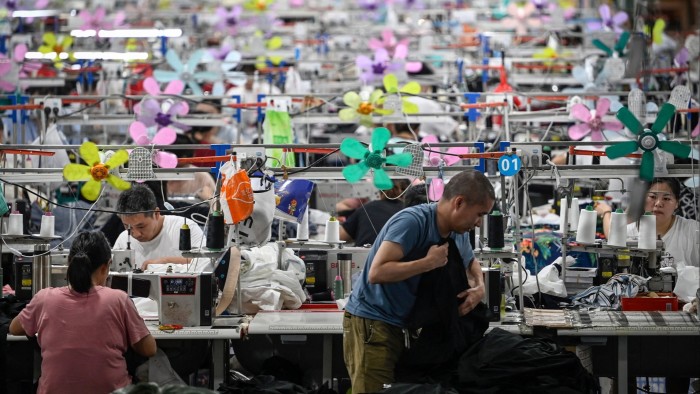
The EU plans a crackdown on “very dangerous” products sold on online platforms including China’s Shein and Alibaba, its justice commissioner has said. Michael McGrath told the FT that “year in, year out” national authorities found unsafe products “with life-changing consequences for individuals” and which could “even cause loss of life”. Read the full story.
We’re also reading . . .
China’s $1tn trade surplus: The country’s growth model is becoming increasingly hard to sustain. That’s a problem for the world, writes Eswar Prasad.
FT Person of the Year: Read our interview with Nvidia CEO Jensen Huang, a driving force behind the massive AI boom.
Warner Bros takeover: The Netflix-Paramount bidding war puts much-criticised CEO David Zaslav in line for a bumper payday.
Chart of the day
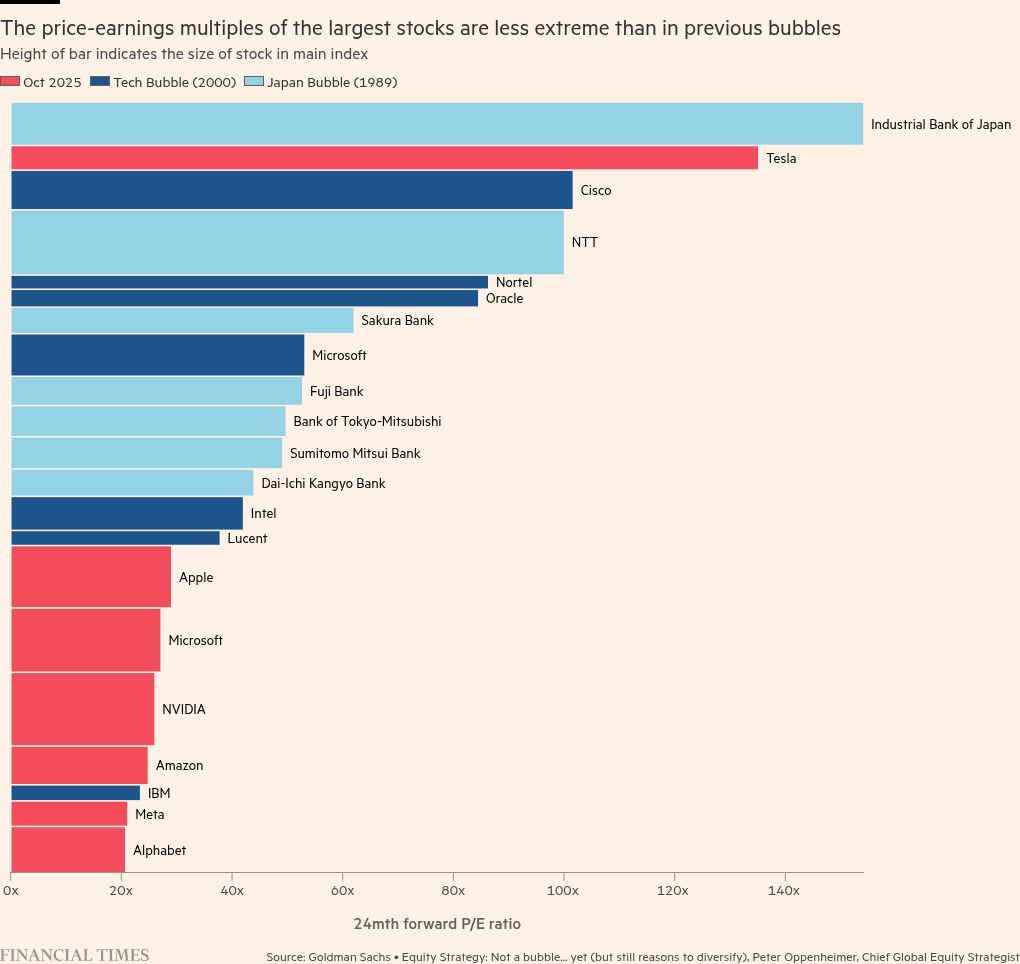
Is there an AI bubble? If so, what are the chances it could all go pop next year? Experts discuss what investors need to know for 2026 at the annual FT Money roundtable.
Take a break from the news . . .
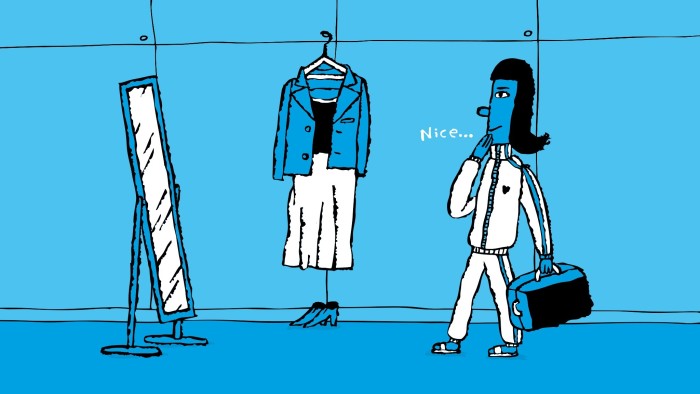
Pilita Clark makes a case for dressing smart when flying. But not because of anything to do with the US transport secretary’s campaign to civilise air travel.