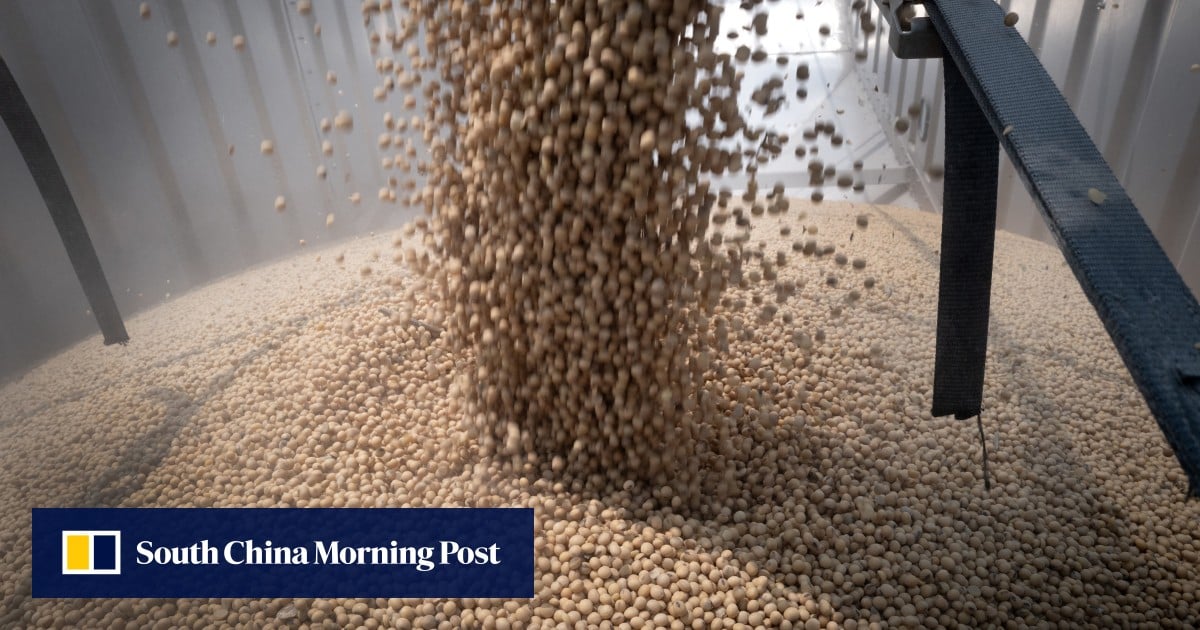
Demand-management strategies for the crop – a vital source of cooking oil and animal feed, as well as a key commodity at the centre of Beijing’s trade relations with Washington – reduced annual consumption by 15 million tonnes between 2021 and 2024, the investment bank’s analysts, led by Trina Chen, said in a note on Tuesday.
The push, initiated during the first US-China trade war, “has been paramount in mitigating barriers and uncertainties” in trade with the US and South America, the analysts said.
Advertisement
On Thursday, Beijing amplified vows to bolster China’s economy, primarily on the back of domestic demand, and build a robust domestic market to counter external challenges. The commitments came after a high-level annual meeting that set the tone for 2026’s economic policy.
China, the world’s top food consumer, could deepen import cuts, the analysts said. Those could come after recent pledges to Washington.
Advertisement
According to a White House fact sheet, Beijing agreed to purchase a stable, large volume of US soybeans over the next three years, following a presidential meeting in late October.
To curb demand, China has lowered soybean content in animal feed, improved feed-conversion efficiency, and optimised protein mixes.