Ground has quite literally been broken on a Chinese-funded project to modernise the Tanzania-Zambia railway after years of negotiations, amid intensifying “corridor wars” as major powers compete to shape transport and trade networks across not just Africa but also Eurasia and beyond.
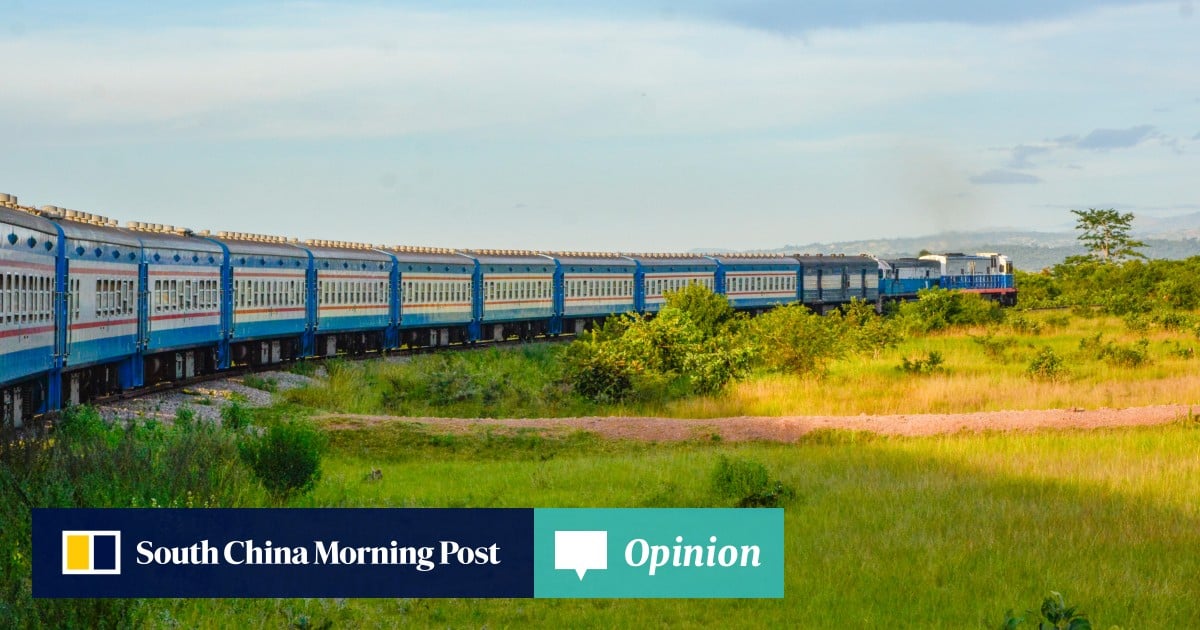
The US$1.4 billion upgrade will restore the 1,860km railway, known as Tazara, a vital corridor linking Zambia’s Copperbelt to the Indian Ocean via Tanzania’s Dar es Salaam port, connecting southern and eastern Africa. Originally financed by China in the 1970s and celebrated as a symbol of China-Africa solidarity, decades of underinvestment have left the railway underused.
At last month’s groundbreaking ceremony in the Zambian capital of Lusaka, Chinese Premier Li Qiang – the first top Chinese leader to visit the country since 2007 – emphasised Beijing’s commitment to developing a prosperity belt along the Tazara railway and fostering a new economic growth hub.
Advertisement
The project is expected to boost the railway’s freight capacity from around 200,000 tonnes annually to 2.4 million tonnes, and slash transit times by two-thirds. State-owned China Railway Construction Corporation (CRCC) and its subsidiary China Civil Engineering Construction Corporation (CCECC) will spearhead upgrades to the tracks, bridges, tunnels and stations, construct 390km of new rail and modernise power, communications and passenger services.
As Africa’s economies grow and trade expands, there is a need for efficient, high-capacity transport networks to support intra- and inter-regional economic integration.
Advertisement
The benefits are clear. For Zambia – Africa’s second-largest producer of copper, which accounts for 15 per cent of its gross domestic product and over 70 per cent of its export earnings – shifting freight from road to rail could boost exports, enhance supply chain reliability and support local value-added production. Faster access to global markets, including in East Asia and the Middle East, as well as regional African markets, could also attract foreign direct investment and drive broader economic diversification efforts.