This article is an on-site version of our FirstFT newsletter. Subscribers can sign up to our Asia, Europe/Africa or Americas edition to get the newsletter delivered every weekday morning. Explore all of our newsletters here
Good morning and welcome back to FirstFT Asia. In today’s newsletter:
Indian government-developed app triggers snooping concerns
OpenAI declares “code red”
China’s booming pharma industry
We start in India, where the telecoms ministry has demanded that Apple and other smartphone makers install a government cyber security app on new handsets, raising concerns about privacy. Here’s what to know.
About the app: The ministry-developed app, called Sanchar Saathi, will have access to the phone’s call log, memory and camera, according to the app’s privacy statement. The government has demanded that manufacturers have the app pre-installed on phones for sale in India, which it said was intended to curb “misuse of telecom resources for cyber frauds and [ensure] telecom cyber security”.
Snooping concerns: Privacy advocates argue that the app risks giving the government more surveillance powers. The directive “represents a sharp and deeply worrying expansion of executive control over personal digital devices”, said Apar Gupta, the director of Internet Freedom Foundation, an organisation promoting free speech online in India. The order could also put Prime Minister Narendra Modi’s government in conflict with smartphone makers and developers including Apple and Google.
Here’s what else we’re keeping tabs on today:
Economic data: Australia and South Korea report third-quarter GDP data. S&P Global services PMI is due for China, Japan, India, Singapore and Australia.
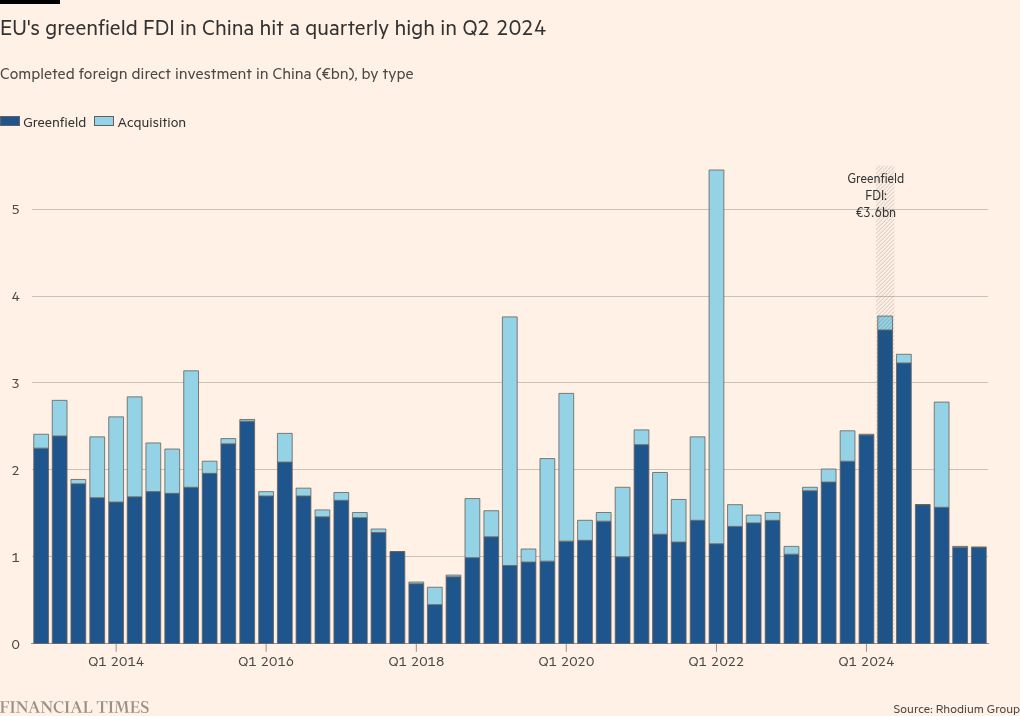
Europe-China relations: French President Emmanuel Macron begins a three-day visit to Beijing, where he is expected to be the latest European leader to warn about China’s crushing trade surpluses with the continent. Scroll down to today’s Chart of the Day for more.
Books: The Financial Times and Schroders Business Book of the Year is announced at a ceremony in London and online. Here is the shortlist.
Join senior FT editors today for a discussion on what will shape the year ahead. Register for free.
Five more top stories
1. Strong demand for Japanese government bonds helped to calm Asian markets yesterday, a day after hawkish comments from the central bank governor sparked a global sell-off. The yen steadied and equity markets were flat, with investors reassured by demand at an auction of Japanese government bonds.
2. Vladimir Putin accused European countries of undermining Washington’s efforts to end the war in Ukraine, as US envoy Steve Witkoff held talks with the Russian president in Moscow yesterday. In a belligerent speech at a Moscow investment forum, Putin threatened to “cut Ukraine off from the sea entirely” in retaliation for attacks on Russia-linked tankers.
Related news: The European Central Bank has refused to backstop a €140bn payment to Ukraine, dealing a blow to an EU plan to raise a “reparations loan” backed by frozen Russian assets.
3. OpenAI chief executive Sam Altman has declared a “code red” over the need to improve ChatGPT, as rivals Google and Anthropic narrow its early lead in the race to develop artificial intelligence. According to an internal memo sent on Monday, Altman told employees the $500bn start-up was planning to delay other products as “we are at a critical time for ChatGPT”.
4. Donald Trump said he would announce his pick to lead the Federal Reserve “early next year”, as he touted Kevin Hassett, the top White House economic official, as the “potential” new head of the US central bank. The president’s comments follow a months-long selection process to replace Jay Powell as Fed chair that is nearing its conclusion.
5. Belgian police detained the EU’s former top diplomat Federica Mogherini and a senior Brussels official yesterday in a probe into suspected fraud over contracts to train junior officials. Read more about the raids on the EU’s diplomatic arm in Brussels and the College of Europe in Bruges.
The Big Read

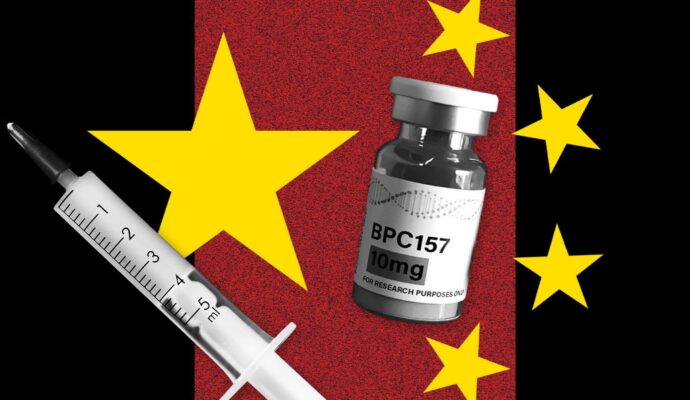
China’s biopharmaceutical companies are developing drugs faster and more cheaply than foreign competitors thanks to a surge in investment and improved supply chains. But can the country’s industry match rivals like AstraZeneca and Pfizer?
We’re also reading . . .
India’s labour reforms: Any immediate costs for businesses and workers will be more than offset by the long-run benefits of the government’s changes, writes the editorial board.
The billionaires and the bank boss: A 35-page warrant seen by the FT alleges a plot to seize control of Generali, one of the key players in Italian finance.
Tech start-ups: A new ritual has taken hold in Silicon Valley and it is replacing the pitch deck for entrepreneurs hoping to raise finance, writes Amber Atherton.
Chart of the day
European manufacturers are increasing their investment in Chinese factories, despite growing anxiety among the continent’s political leaders about industrial dependence on the world’s exporting superpower.
Take a break from the news . . .
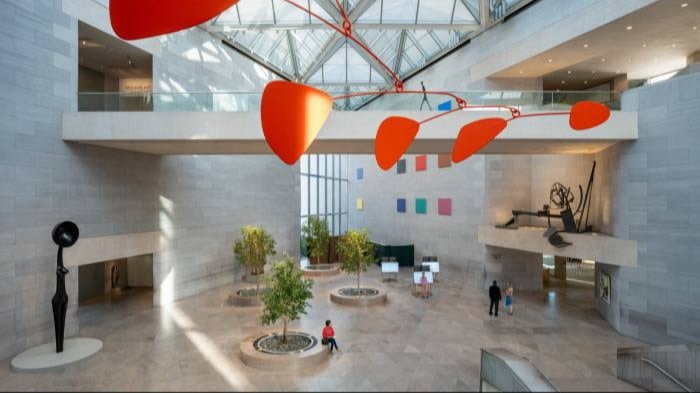
Ariella Budick, the FT’s US art critic, shares her top-10 favourite works in Washington DC, as part of FT Globetrotter’s new guide to the capital.