This article is part of FT Globetrotter’s guide to Tokyo
“I ain’t afraid of no ghost . . . ” declared Ray Parker Jr in the theme tune to the 1984 film Ghostbusters. Foolishly.
Bravado is certainly important when confronting the spectral, but if Ray really wanted to test his fearlessness, he should have headed to Tokyo: 99.9 per cent a modern, no-nonsense matriarch of a metropolis, and 0.01 per cent a contorted, gore-soaked yurei shrieking for vengeance from the afterlife.
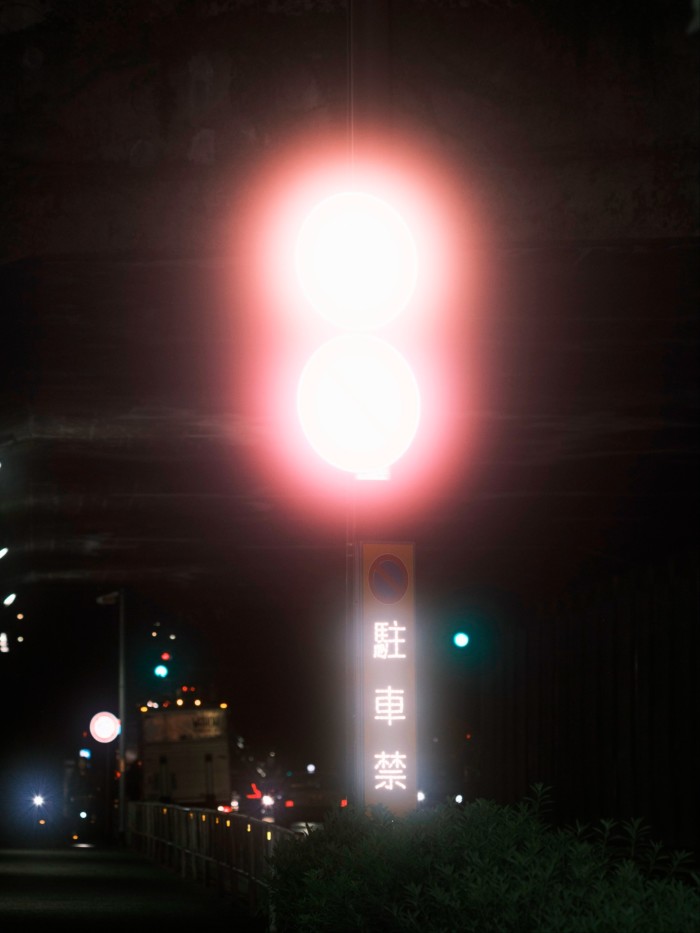
Japan absolutely adores a good ghost story, and has always done them very well. Bloody well, you might say. From the ghoulish, half-spider, half-temptress yokai monsters of folklore to the elegantly embellished tales of real-life murder victims tormenting the living from beyond the grave, Japan has a long tradition of celebrating the supernatural and exalting the ectoplasmic.
Stories of ghosts and hauntings pervade the Japanese archipelago. You don’t spend 150 years in civil war, bloodshed and chaos without leaving a few restless souls here and there. In places such as Kyoto, the streets and temples are seemingly rammed with sleepless spirits, according to countless ghost stories set in and around the old capital. Phantoms of the lost, the betrayed and lovelorn abound. Various places around the country also claim to be gateways to the netherworld.
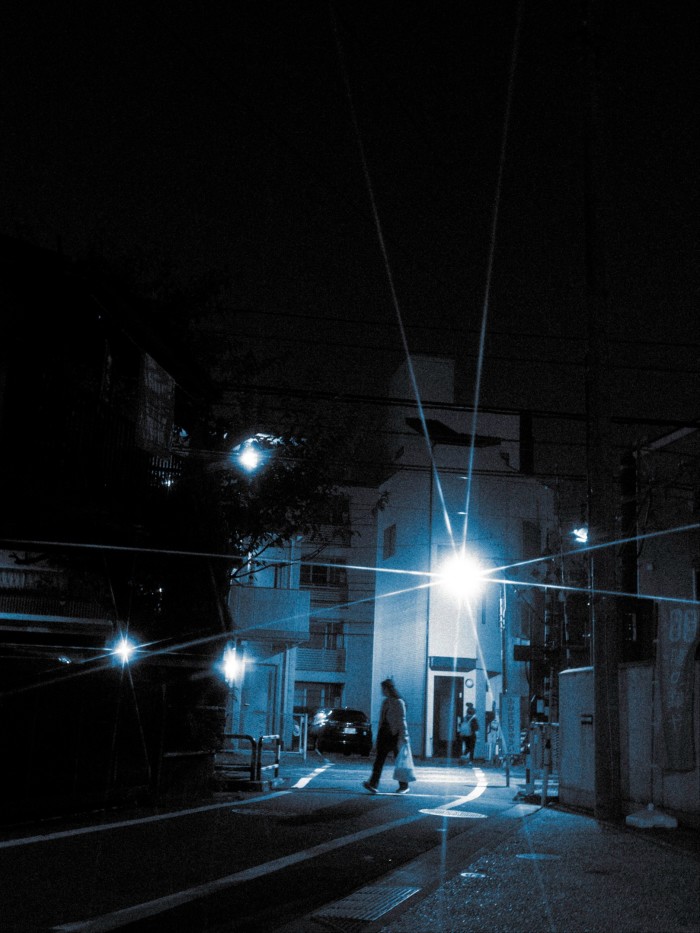
But there is something about Tokyo’s breakneck, recklessly expansionist history that gives it a particular edge in eeriness — its postwar rebirth and its breathless pursuit of modernity and renewal have often been hasty, destructive, desecrative processes. Mix that with centuries as one of the world’s most populous cities, with all the wickedness and wretchedness which accompanies that status, and you have yourself a paradise for both casual and committed ghost hunters.
Japan’s capital city boasts an excellent selection of spooky spots for the visitor to relish. Here are my top five.
The Grave of Taira no Masakado (well, of his head)
1-2-1 Otemachi, Chiyoda-Ku, Tokyo 100-0004
Brrrrr. Feel the chill, even on the hottest of summer days. Taira no Masakado is not a ghost to mess with. The daddy of the damned. A true classic of the genre, and, conveniently situated within just a few hundred metres of the Four Seasons Hotel, the Japan Bankers’ Association headquarters and the Financial Times’ Tokyo bureau.
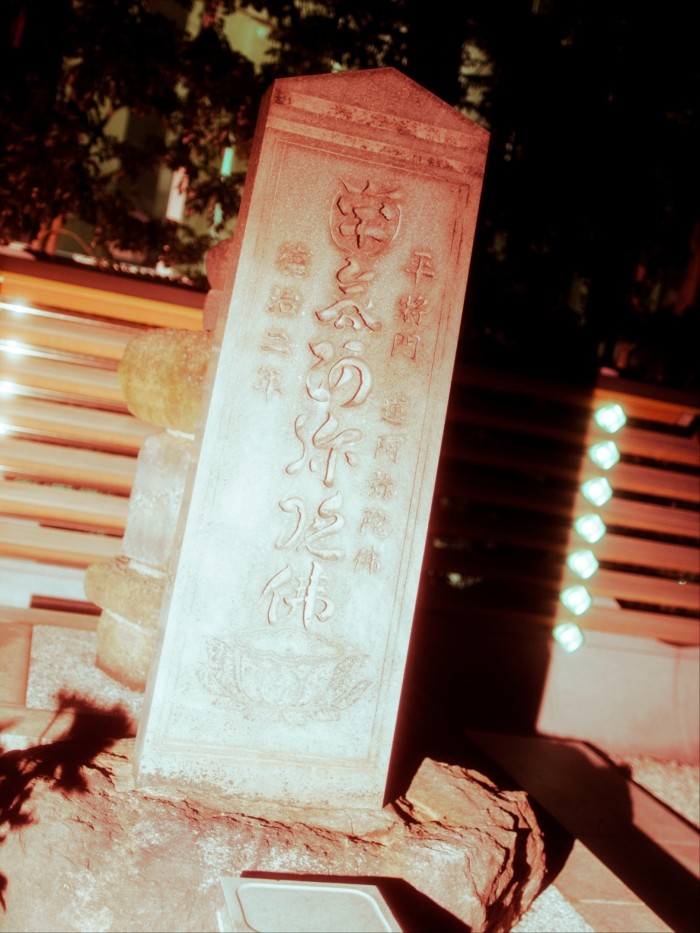
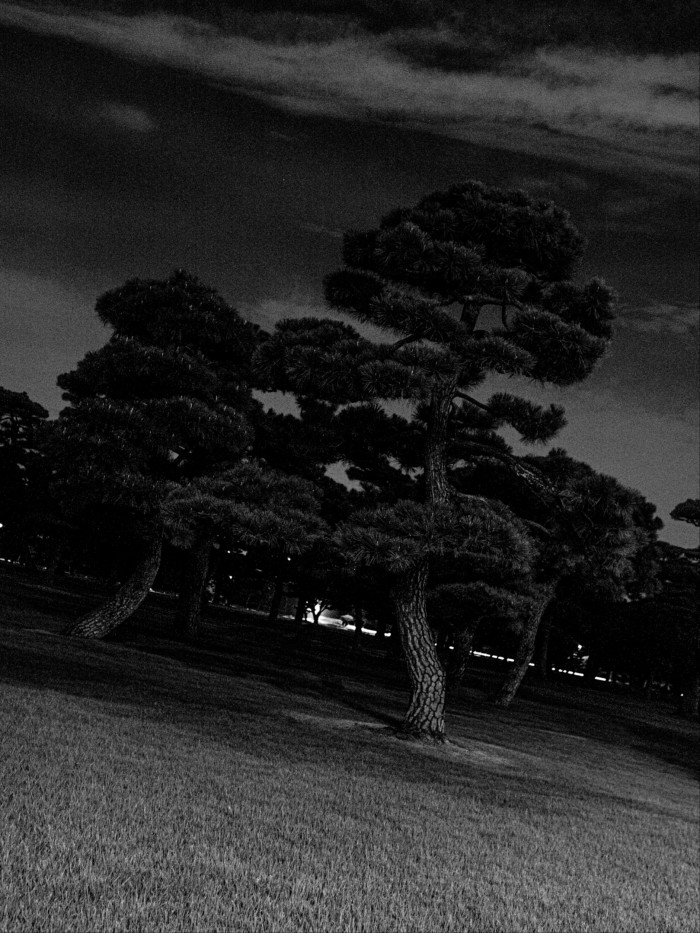
The underlying story of Taira no Masakado’s death in the year 940 is a ripe saga of an implacably rebellious samurai, cousin-on-cousin butchery and — critically for narrative grisliness — a beheading.
The story goes that the disembodied bonce itself was first taken to Kyoto, before being brought to the little fishing village that would eventually become Edo and, later still, Tokyo. The head’s final resting place is under a fearfully well-maintained slab of stone squeezed between the many skyscrapers of the Otemachi financial district. It can be seen from the windows of Citigroup and sits on land carved out of what is now the Mitsui Corporation head office.
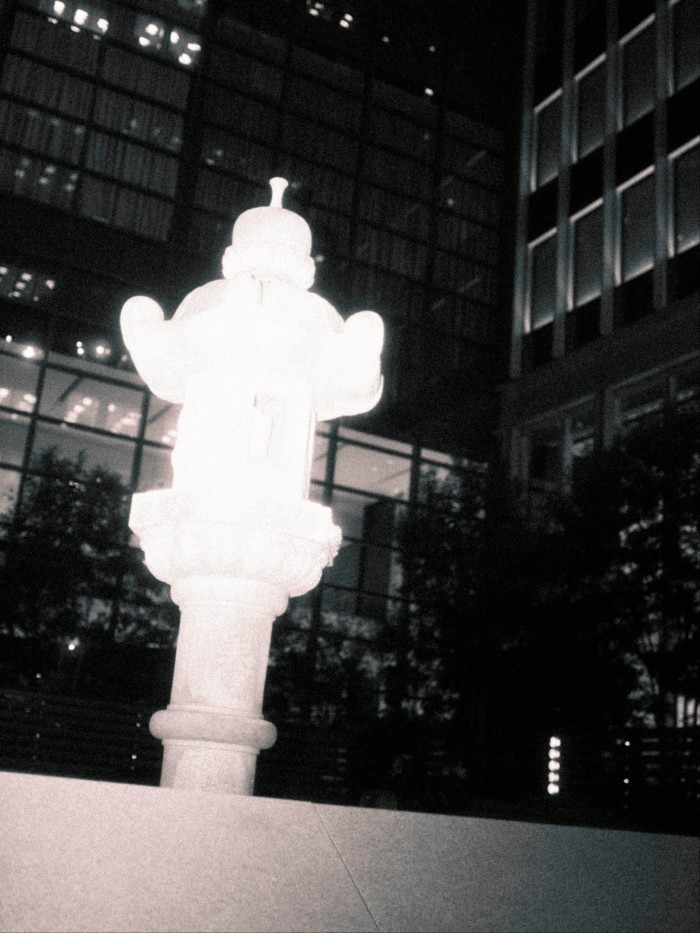
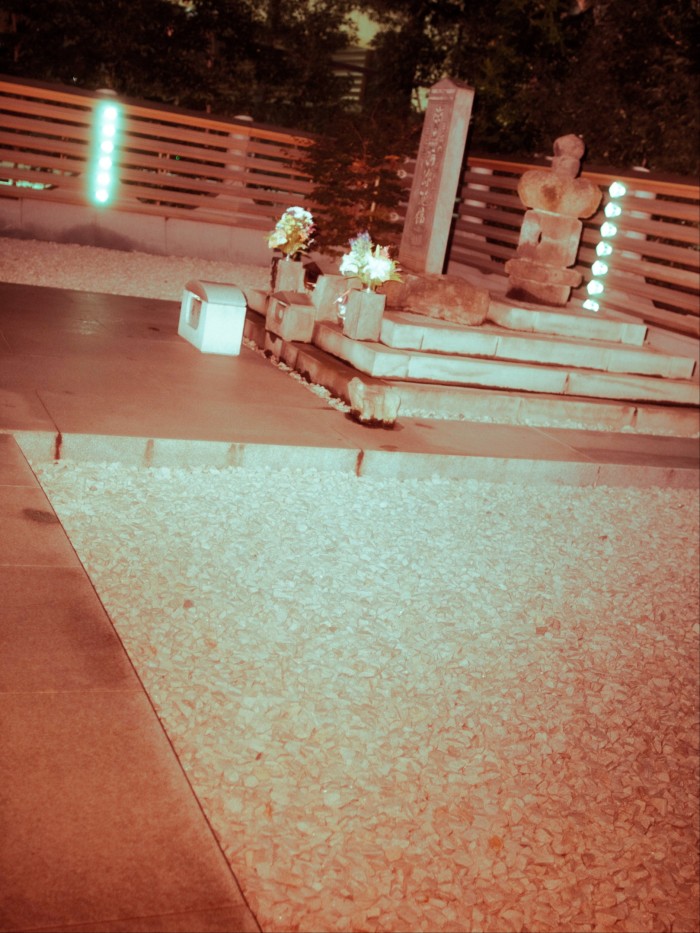
The grave’s anomalous, low-lying simplicity among all this glass and steel height is permanent testimony to how seriously this ghost, and his assumed vengefulness, is taken. As the years went by, Masakado and his rebelliousness became totemic for Tokyo. His grave took on the sort of menace that only the severed head of a warlord can muster: the more Tokyoites propitiate Masakado, the more the city prospers, is the theory. Pull back on the prayers, and things go very, very badly.
That carrot-and-stick trade-off ensures a near-constant stream of Japanese visitors to the grave at all times of day. Many are working in the area and drop by for a lunch-break payment of respects, and even a small financial offering. Some leave the car on blinkers by the side of the road, and rush up for a quick bow and a handclap before the traffic wardens appear. The FT Tokyo office, along with many other businesses in the area, displays a calligraphy certificate proving that annual dues have been paid . . . just in case. Website; Directions
The Sendagaya Tunnel
2 Sendagaya, Shibuya-ku, Tokyo 151-0051
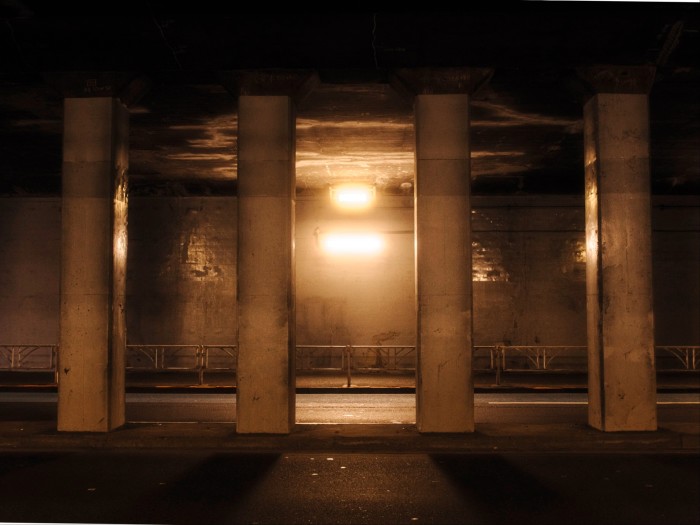
Oh blimey. What’s that noise? Let’s walk a bit quicker . . . er . . . what is that we’re walking under?
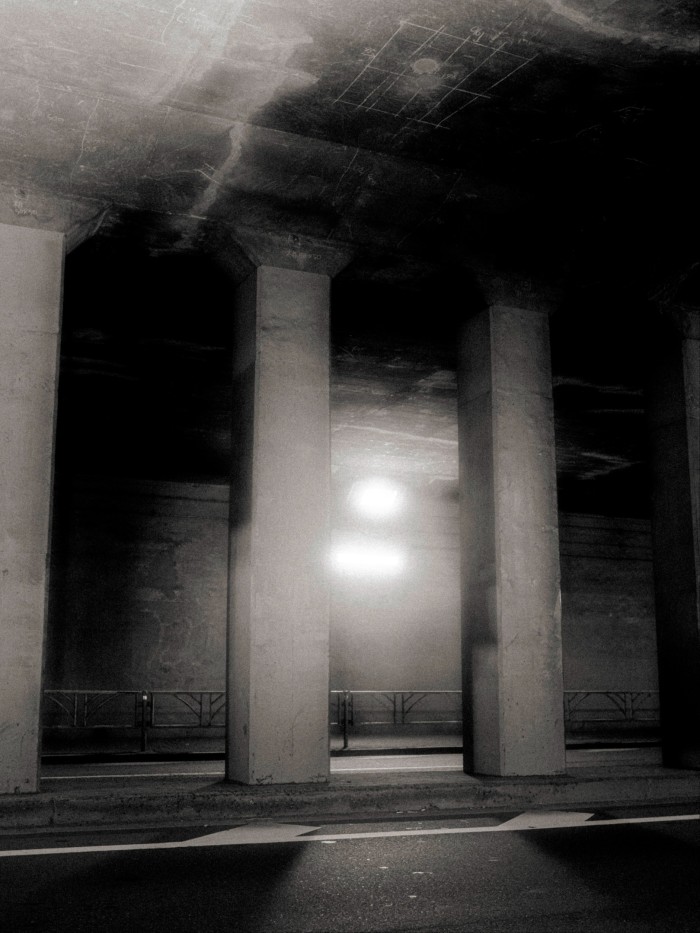
Japan does a good line in haunted tunnels, but most of the famous ones are those that burrow into mountains along lonely mountain roads. This benighted beauty is a relatively short stroll from Omotesando, Asia’s most famous shopping street, and leads up to the newly built National Stadium. So not exactly remote.
There are many stories of ghost sightings in this tunnel, which was built in the early 1960s ahead of the Olympic Games and is notoriously unsettling to walk through. Inexplicable screams have supposedly been heard, and drivers report the sounds of heavy (but ultimately non-existent) objects banging off their roofs. The most commonly referenced spectre is a long-haired, blood-soaked woman.
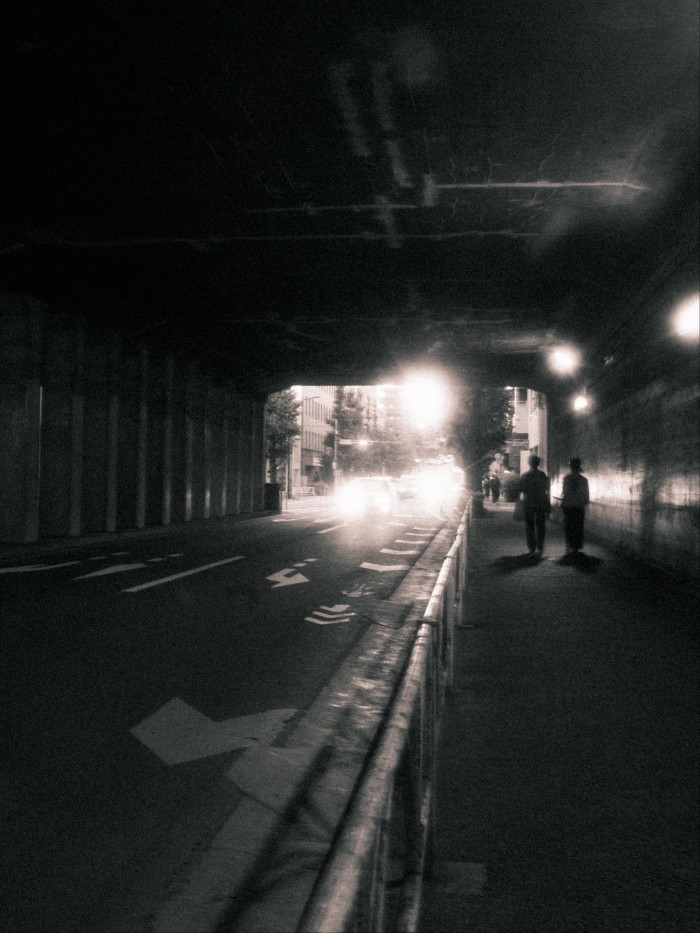
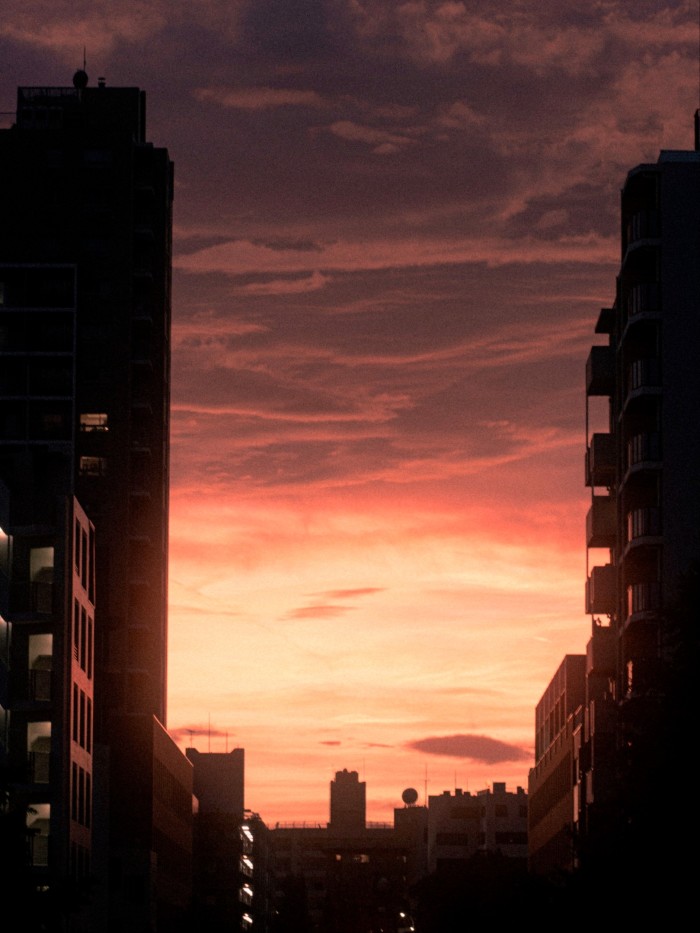
The timing of the tunnel’s construction is critical. The 1964 Tokyo Games were the country’s great global coming-out party — a huge national demonstration that Japan had recovered from the war, and was on its way to an economic and social vibrancy that would challenge the world. Part of that effort involved some stupendous and often improbable infrastructure projects — elevated motorways and other engineering marvels that tore new arteries through the old city.
One of those was the Sendagaya Tunnel, which was built to create a straight road up to the old stadium. Emerge from the tunnel, look back and up and you can see the problem: they built the thing directly under a cemetery. Basically, six feet under a cemetery. Has Stephen King taught you nothing? This is town planning at peak paranormal pottiness. Directions
The Haunted Vending Machines of Old Akihabara
2-19-7 Kanda Sudacho, Chiyoda-Ku, Tokyo 101-0041
It’s just a vending machine . . . what could possibly be scary about that?
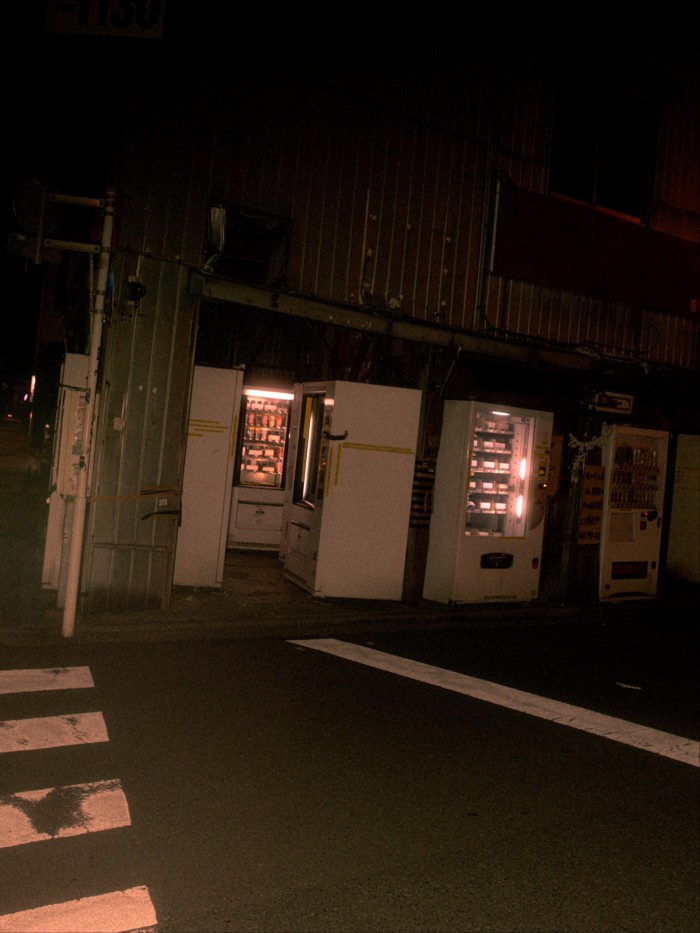
One of Tokyo’s spookiest little corners is just on the edge of Akihabara — the nest of shops that was once famous for being the spiritual heart of Japan’s consumer-electronics industry, but has since evolved into the centre of all things pop culture. Walk a few minutes away from all the bright lights, though, to find a mysterious little shop front and a tumbledown shack containing a number of elderly-looking vending machines.
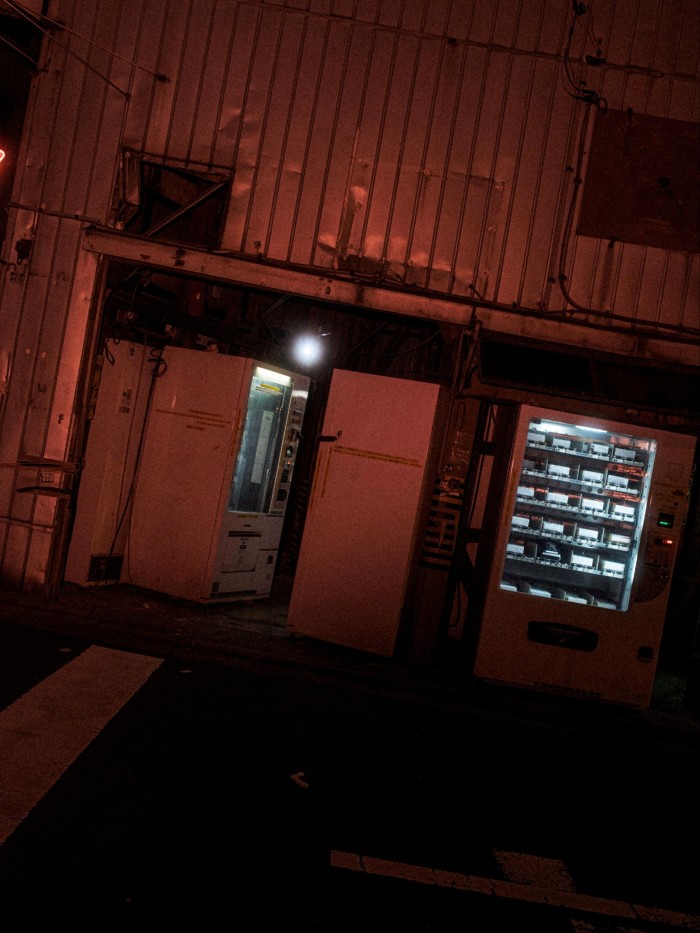
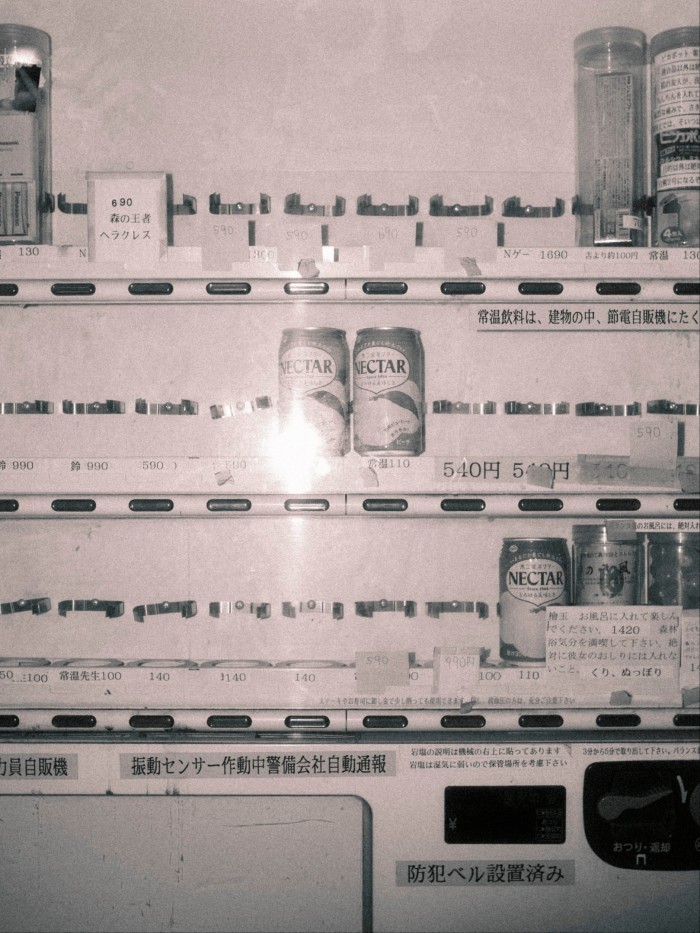
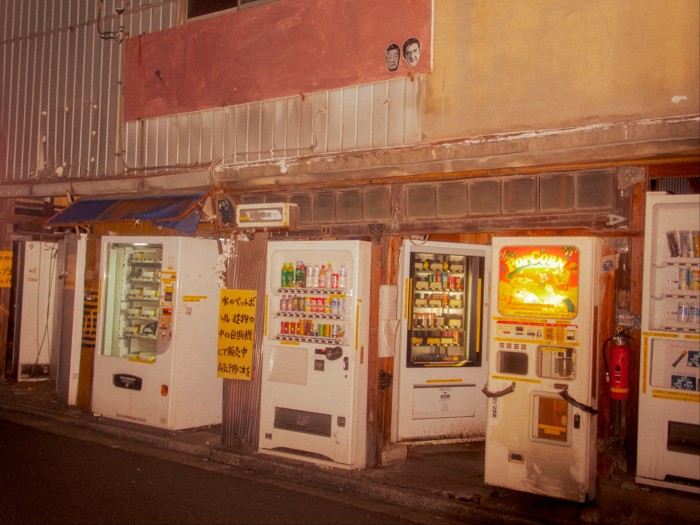
There are no people visible, and the vending machines’ position forces the visitor into claustrophobic passages that are just plain unnerving. Then take a look at the machines and their unusual contents: long-discontinued drinks, plastic beetles in bottles, tins of carrots, a can of meat sauce — and that’s just the ordinary stuff. Several of the machines contain odd-shaped cardboard boxes wrapped with typed paper messages — deranged-sounding ramblings, violent erotica, political diatribes — all very weird and with zero explanation of what might be in the boxes themselves.
Nobody hanging around near the machines seems to know who owns the shop, who refills the machines or who on earth would buy any of this stuff. Properly uncanny valley. Directions
Sunshine City
3-1 Higashiikebukuro, Toshima-Ku, Tokyo 170-8630
Brace yourselves. We’re going to Ikebukuro now. The part of town that shrugs, sidles away nervously and puts the “ . . . OK . . . ” in Tokyo.
Imagine yourself as the head of the naming committee for a bold, regenerative development in late-1970s Japan. You have built, as a symbol of the nation’s economic miracle, an extraordinary 60-storey tower atop a fabulous modern shopping mall.
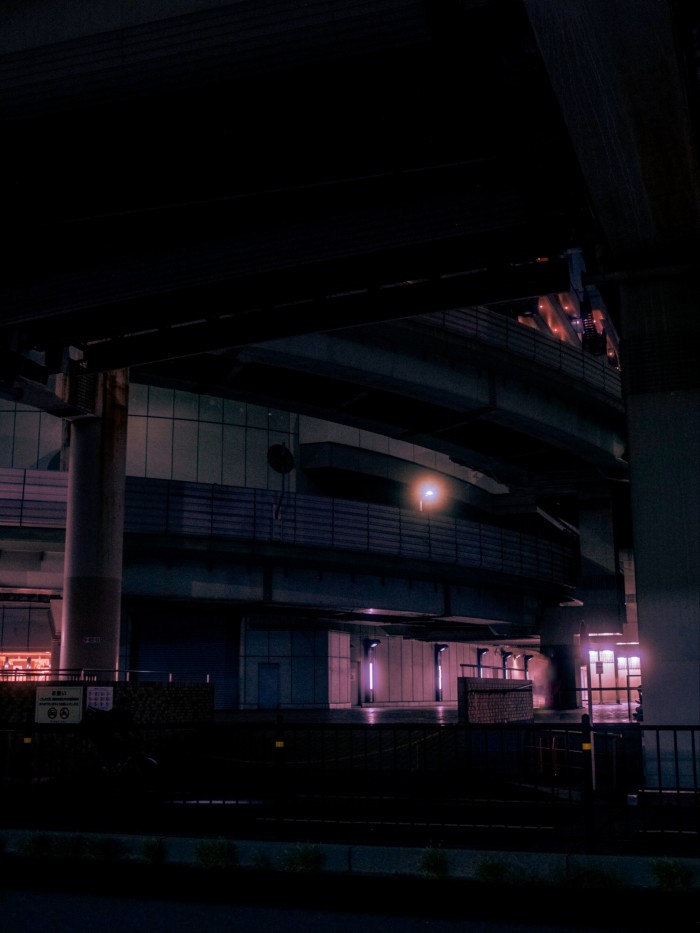
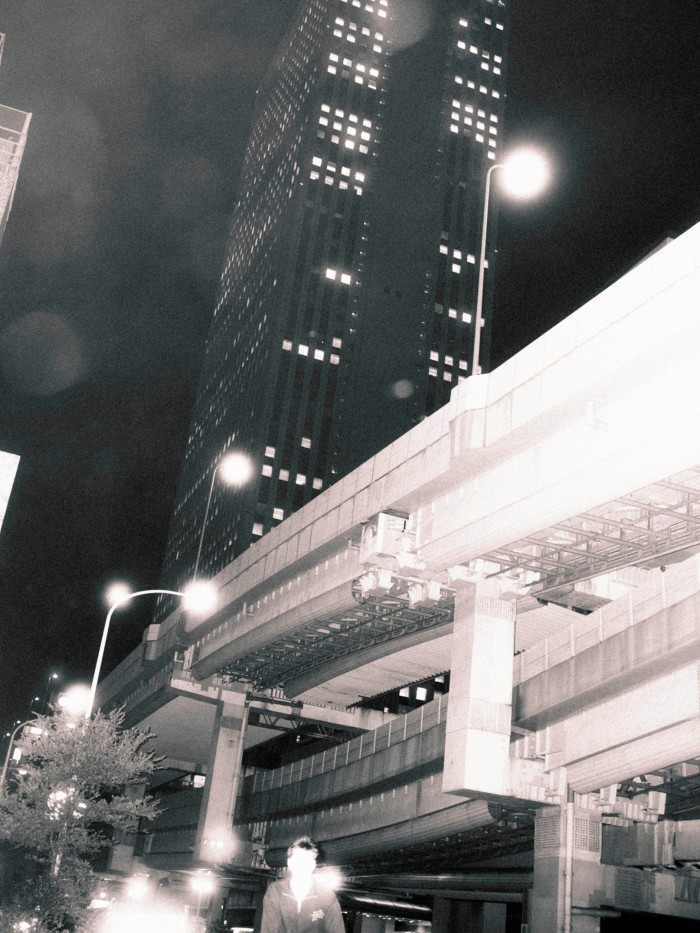
The whole spectacular enterprise is situated, however, on what was previously Sugamo Prison (the land was going cheap). Sugamo . . . Sugamo . . . the name rings a bell. Ah yes: the penitentiary used for political prisoners until 1945, and for perpetrators of massacre and atrocity thereafter. Hideki Tojo, Japan’s former prime minister, was among seven Class-A war criminals executed just about where you can now browse a nice branch of Muji and grab lunch at the Sanrio Hello Kitty Café.

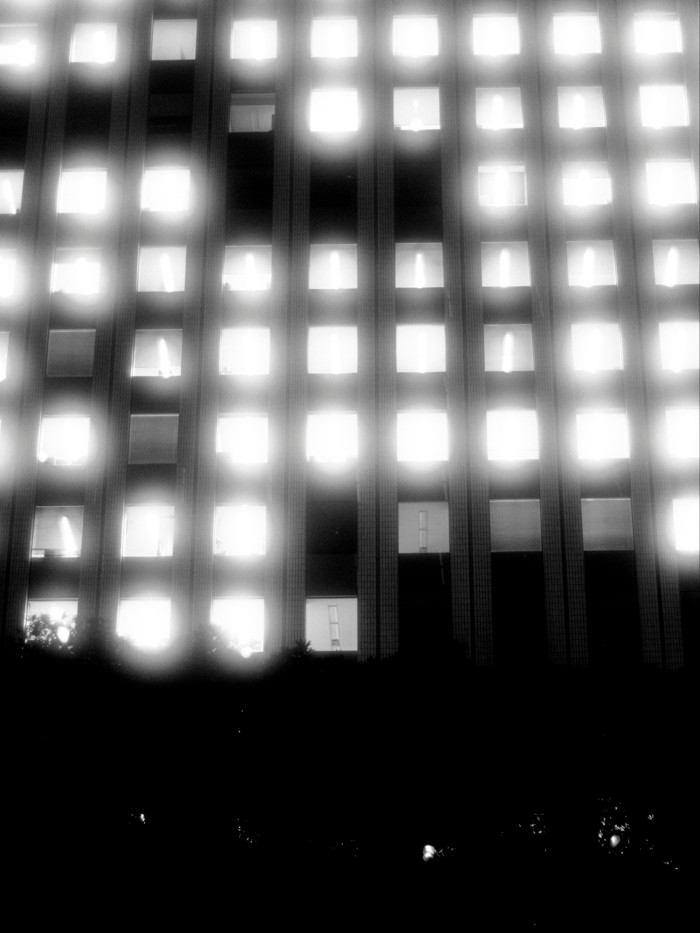
You need a light-bearing name to hide a very, very dark past. You go with Sunshine City, hoping against hope that it will do the trick. It doesn’t.
Inevitably, dozens of claims of ghost sightings have emerged from this awkward juxtaposition of a past Japan wanted to forget and the future it was striving to achieve. Fireballs, spectres, disembodied howls: Sunshine City has had the lot. Allegedly. Open daily, 10am-8pm (later for dining). Website; Directions
Myogyo-ji Temple, Grave of Japan’s Most Famous Ghost
4-8-28 Nishisugamo, Toshima-ku, Tokyo 170-0001
Stay in the Ikebukuro area for a short tram ride north to Nishisugamo and the grave of Oiwa, the central character in Yotsuya Kaidan, otherwise known as the most famous Japanese ghost story of all.
This is ghost-story ground zero and a seminal inspiration for many strands of modern Japanese horror narratives. The Oiwa figure is the archetype of the onryo — the vengeful ghost of a woman grievously wronged in her lifetime.
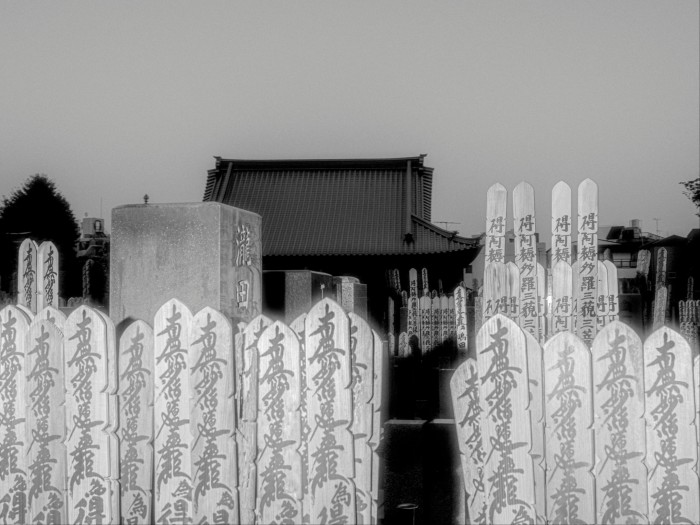
Oiwa’s fate, depicted in more than 30 films and endless kabuki productions, follows a fabulously woven tale of intra-family plotting, murder, sexual obsession, insanity, poisoned face cream, hideous disfigurement and accidental throat-slitting. Kabuki productions of the story incorporated details of real-life murder stories, and have historically used elaborate special effects to enhance the horror of Oiwa’s disfigurement, and the violence she unleashes as an onryo spirit.
Fascinatingly, the grave purporting to be Oiwa’s final resting place is in the labyrinthine cemetery of a quiet little temple not far from Sunshine City. Her tomb is to be found by following a spiral route through other graves, past an abandoned house and down a narrow path.
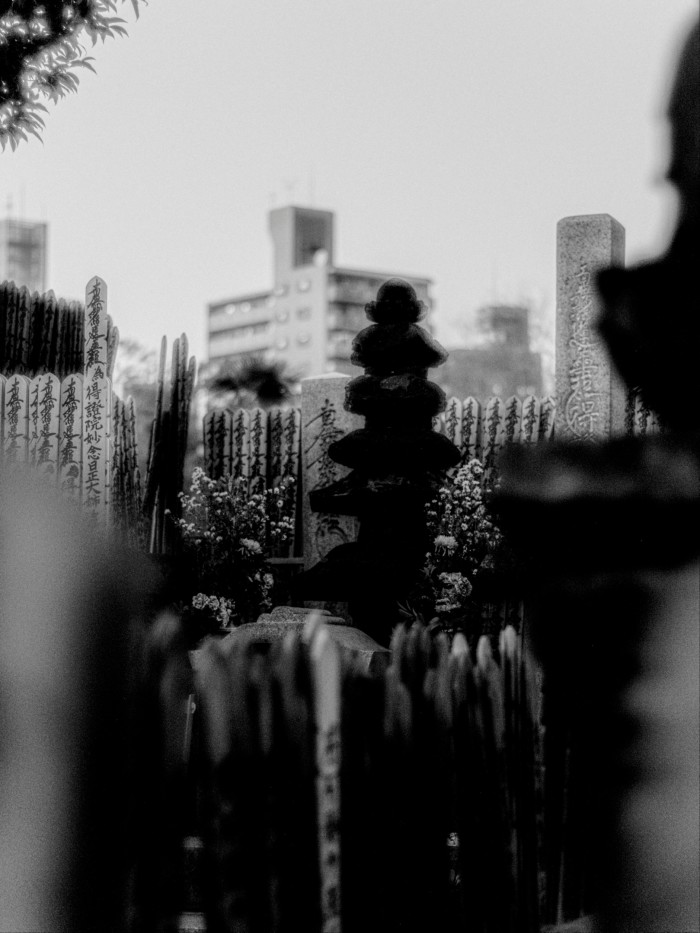
Many others have taken this somewhat obscure route through the graveyard, and the grave bristles with hundreds of votive sticks to prove it. Over the years, television, stage and film productions of the Yotsuya Kaidan story have been dogged by the sort of odd incidents (injuries and other accidents) that convince folk that Oiwa herself is still causing mischief and needs a bit of propitiation. Actors and directors will visit the grave ahead of production to beg the wounded soul for her blessing. Directions
Tell us your tales of haunted Tokyo in the comments below. And follow FT Globetrotter on Instagram at @FTGlobetrotter
Cities with the FT
FT Globetrotter, our insider guides to some of the world’s greatest cities, offers expert advice on eating and drinking, exercise, art and culture — and much more
Find us in Tokyo, London, New York, Los Angeles, Istanbul, Paris, Lagos, Rome, Frankfurt, Singapore, Hong Kong, Miami, Toronto, Madrid, Melbourne, Copenhagen, Zürich, Milan, Vancouver, Edinburgh and Venice