At Ather Energy’s headquarters in traffic-clogged Bengaluru, an electronic map shows the company’s network of more than 4,000 charging points across India, along with real-time data from the touchscreen dashboards of its line of electric scooters.
The network is growing. Ather and other Indian electric scooter makers are preparing for millions of bike owners replacing petrol-powered rides with battery models, as charging infrastructure improves and vehicles become cheaper.
Sales of electric two-wheelers, both scooters and motorbikes, reached 1.2mn units in the financial year ending March 2025, up 19 per cent from the previous year, according to Indian rating agency CareEdge.
“The vast majority of two-wheeler buyers today are now upgrade buyers,” Tarun Mehta, Ather’s chief executive and co-founder, told the Financial Times. “They are upgrading their five to 10-year-old vehicle to something newer, fancier, better.”
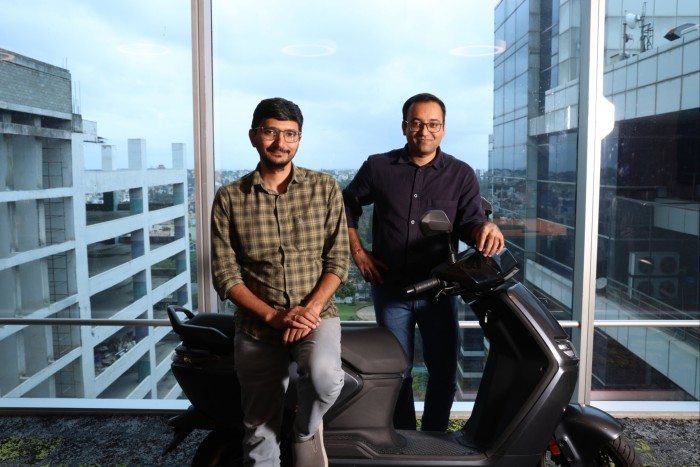
Ather, which is one of the country’s top four electric scooter makers, launched its popular family “Rizta” bike last year, which costs Rs104,999 ($1,190).
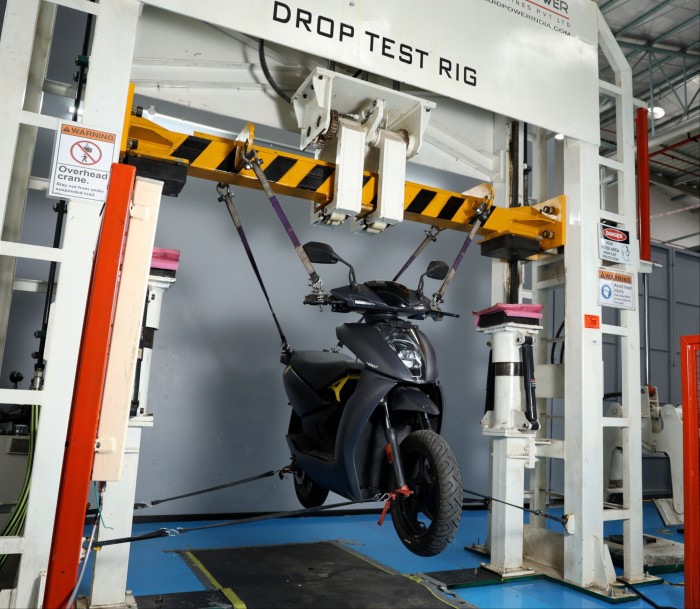
Engineers at a separate facility in Bengaluru, the south Indian tech capital widely known by its former name Bangalore, are also hard at work testing Ather’s upcoming range of EV scooters. They are riding them through rutted roads, flooded streets and cooking them in extreme temperatures, making sure the bikes can survive India’s harsh conditions.
The company’s losses narrowed to Rs1.78bn in the quarter ending June from Rs1.83bn in the same period a year earlier, after sales expanded two-fold year on year to 46,000 units.
“The industry is entering a different phase now,” said Bhavish Aggarwal, chair and founder of industry leader Ola Electric, to analysts over the summer.
“The middle mass . . . which are a little more cautious about new technology, they are starting to consider EVs,” Aggarwal added. “They are looking at their friends who have already bought EVs, and increasingly so, they’re also getting converted.”
India is the world’s second-largest market for EV bikes, with annual sales expected to reach as high as 9mn units by 2030, according to consultancy McKinsey.
But sales in the south Asian nation are expected to remain far behind China, which is projected to sell about 70mn units by the same year, supported by widespread adoption of battery swapping, dense charging networks and financial incentives. Only about 6 per cent of India’s scooters and motorbikes are electric.
Many Indian manufacturers, including Ather and Ola, are lossmaking and have grappled with challenges including the abrupt removal of state subsidies, customer scepticism and supply chain pressures.
India’s overall EV penetration was 7.7 per cent last year, “far behind” New Delhi’s target of 30 per cent by 2030, according to the government think-tank NITI Aayog.
“Persistent misconceptions like fire safety, battery degradation, range anxiety and resale anxiety continue to suppress buyer interest,” said NITI Aayog in an August report. The think-tank said there were various barriers to adoption in the country, including resident associations banning charging stations in housing estates and taxes on public charging points.
Sudarshan Venu, managing director at TVS Motor Company, one of India’s biggest motorbike makers, argued that such concerns were misplaced.
“Most of the customers ride less than 25 kilometres a day,” he told the FT. “We don’t see any problem [with] infrastructure.”
Policy shifts have also complicated growth. Two years ago, the government cut subsidies for e-scooters from 40 per cent of the pre-tax purchase price to 15 per cent, sending shockwaves through the sector.
“There was a lot of pain that the industry took to absorb the subsidy pullback,” said Ather’s Mehta. “We are almost at a place where it’s fine now.”
Price competition remains fierce, with EV models typically costing more than traditional petrol scooters, putting affordability at the heart of the contest.
Still, consumer demand is showing resilience. Agency CareEdge said EV buyers were attracted to the electric bikes because they were cheaper over the long term.
Large companies buying EV fleets are also accelerating adoption. Food delivery group Swiggy has pledged to switch to a 100 per cent electric fleet by 2030, while rival Zomato is pursuing similar plans.
An immediate challenge for Indian scooter makers is overcoming the fallout from rising US-China tensions.
In April China, which supplies about 90 per cent of the world’s rare earth magnets, imposed new export restrictions on rare earths — materials crucial for building electric vehicles. The move rattled Indian EV scooter makers, which rely heavily on these magnets for building motors.
Ather in August acknowledged the curbs may mean about a week-long gap in its ability to supply dealers with vehicles in the quarter ending September. The company is exploring alternatives for its motors, including switching to more widely available light rare earth magnets that remain unrestricted.
At TVS’s sprawling factory complex in the southern Indian industrial city of Hosur, engineers there said they were already working to limit exposure to such disruption and find new suppliers. Other major Indian automakers, such as Mahindra Group, have said they are using alternatives including ferrites.
“We need to ensure that we build a resilient supply chain, given all the geopolitical changes that happen in today’s world,” said Venu. “We are talking to many possible suppliers,” he added.
Analysts and executives agree that diversifying materials sourcing will be critical if India is to scale up production while avoiding external shocks.
“You want to spread over a few geographies, few suppliers, and I think that’s what the next decade looks like,” said Mehta. “It’s going to be multiple suppliers, multiple countries and, obviously in the future, preferably Indian, so there’s more control.”