After more than two decades at the Smithsonian’s National Zoo, Mei Xiang and Tian Tian, aged 25 and 26, are set to return to China with their three-year old cub Xiao Qi Ji in early December as their panda loan agreements expire. Under the agreement, panda offspring born outside China must return by the age of four unless the loan time is extended.
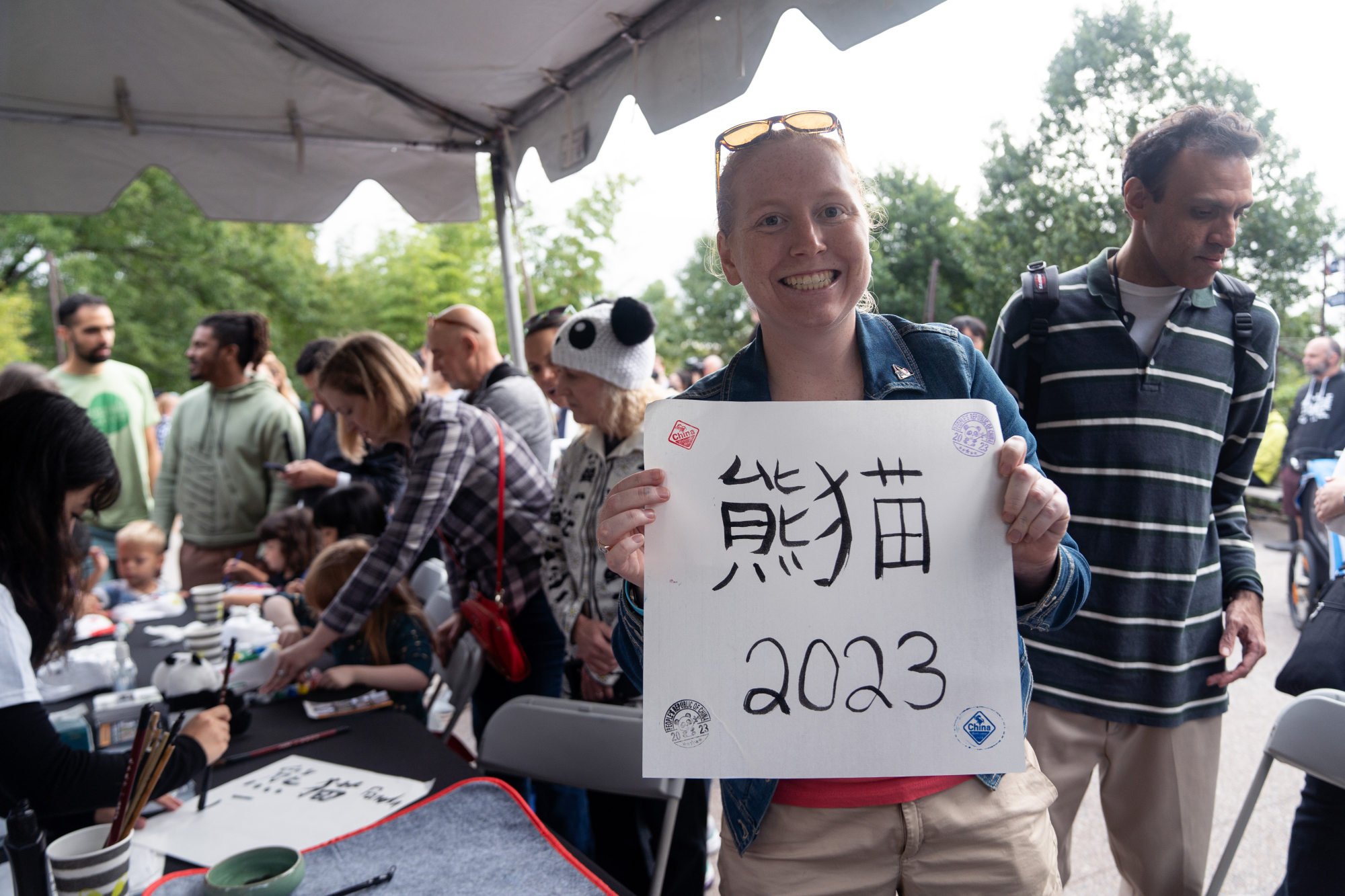
The pandas made one of their last public appearances at the zoo on Sunday at a party as part of more than a week of farewell events.
01:26
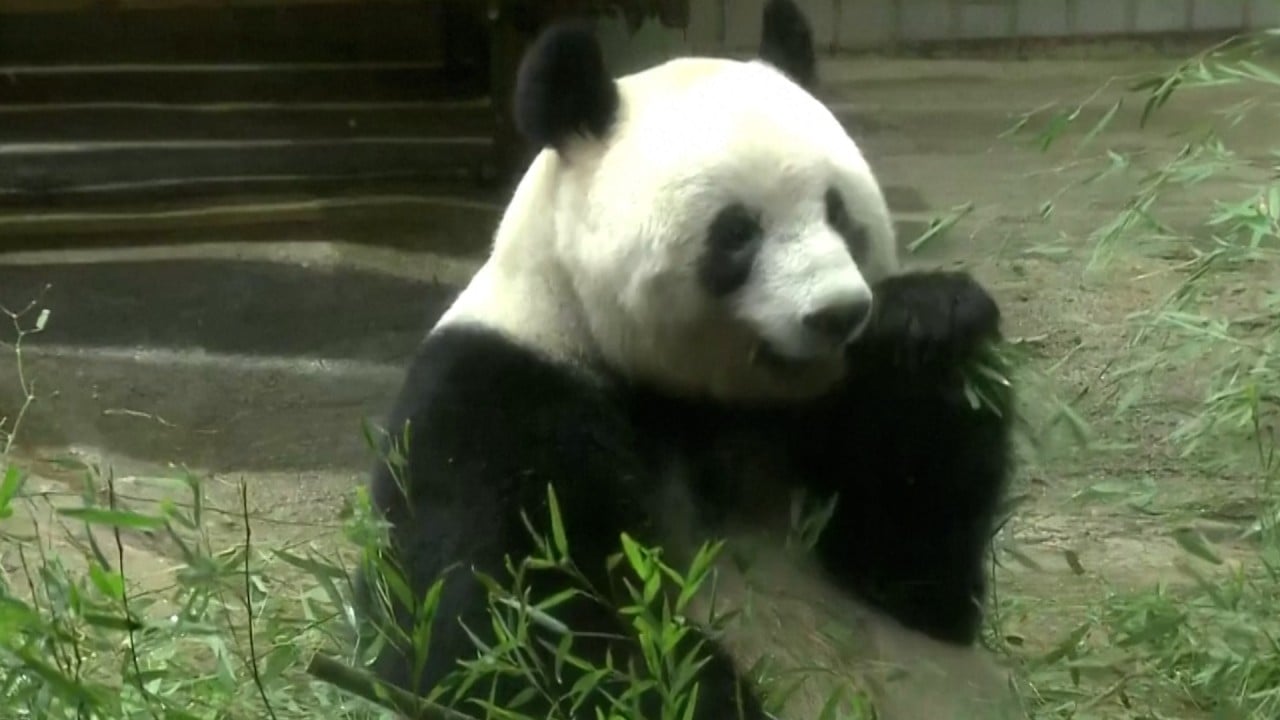
With tears and waves, Japan sends giant panda ‘home’ to China
With tears and waves, Japan sends giant panda ‘home’ to China
The National Zoo has hosted panda couples since Ling Ling and Xing Xing (Hsing Hsing) were sent by then Chinese premier Zhou Enlai to Washington in 1972 after US president Richard Nixon made a state visit to China.
As the National Zoo’s resident couple prepares to leave, there have been no new loan extensions or agreements to ensure that another pair will take their place.
How has China’s panda diplomacy evolved and where are its stars now?
How has China’s panda diplomacy evolved and where are its stars now?
The departure of the pandas “closes a major chapter of an international animal care and conservation success story”, the National Zoo said when announcing the farewell party.
The other remaining giant pandas in the US are at Zoo Atlanta in Georgia. Twins Ya Lun and Xi Lun that were born at the zoo are expected to leave in early 2024 after the seven-year-old pair’s return was delayed by the Covid-19 pandemic.
Their parents, Lun Lun and Yang Yang, are also expected to return to China in late 2024 as their loan agreement expires. Zoo Atlanta said in April that “no discussions have yet taken place with partners in China as to the status of Zoo Atlanta’s giant panda programme beyond the end of the loan in 2024”.
If no new panda pairs are sent to the US in 2024, it will mark the first time in more than 50 years the country has not hosted the species.
The halt of panda loans coincides with an increasingly frosty political relationship between the US and China. Chinese foreign ministry spokeswoman Mao Ning said last week that pandas could be seen as a “bridge of friendship”.
“We are willing to continue to work with partners, including the United States, to strengthen cooperation to protect endangered species,” Mao said.
Pandas have been a staple in four American zoos after their arrival in the 1970s. After the San Diego Zoo’s last pandas left in 2019, chief operating officer Shawn Dixon said the zoo had “great hopes for the future” and that the zoo was “ready to make a commitment for the next stage of [their] panda programme”.
Since its mother-and-son panda pair left San Diego, there have been no announcements about a new loan agreement.
01:55
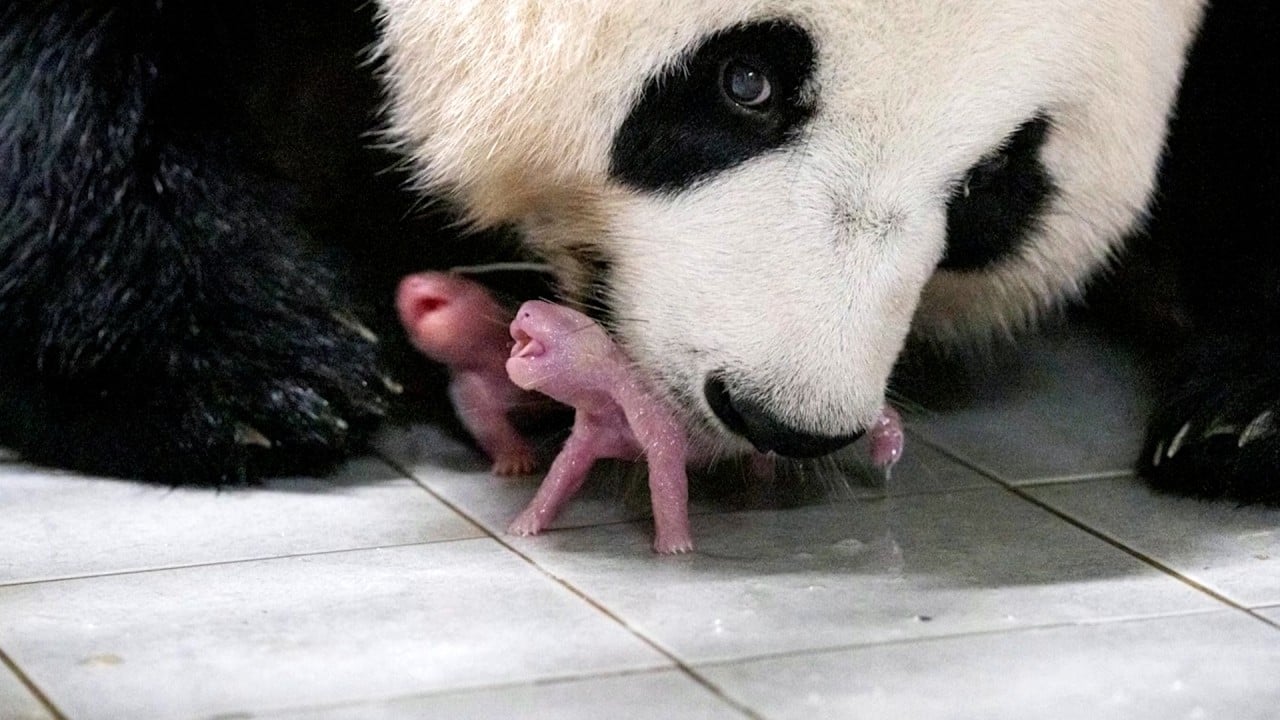
South Korea welcomes its first locally born panda twins
South Korea welcomes its first locally born panda twins
National Zoo spokeswoman Annalisa Meyer told Washington’s NPR member station the zoo was working with its Chinese partners, including the China Wildlife Conservation Association, to “develop a new giant panda programme”.
10 places worldwide you can see China’s giant pandas, and how they’re doing
10 places worldwide you can see China’s giant pandas, and how they’re doing
Meyer said that after a 51-year collaboration, the zoo would “remain committed to the conservation of this species”.
National Zoo director Brandie Smith told Washington News4 in August the status of the loan programme was not based on political considerations, but rather “a conversation between colleagues talking about what’s best for the overall programme, and also, what can be best for individual animals.”